What Is Wedding Photography? A Photographer’s View After Hundreds of Indian Weddings
Most people think they understand wedding photography until they start planning a wedding themselves.
Before the wedding, photography usually feels like another item on a long checklist. Families spend months comparing venues, discussing guest lists, selecting outfits, finalising decorators, tasting food, and coordinating countless details. Somewhere in between all these decisions comes photography. For many couples, it initially feels like a service they need because every wedding has one.
Then the wedding actually happens.
The days move faster than anyone expects. Family members become busy hosting guests. Friends disappear between ceremonies and preparations. Parents spend most of their time ensuring everything runs smoothly. The bride and groom often experience their own wedding in fragments because every event demands their attention.
Then a few weeks later, the photographs arrive.
Suddenly, people begin seeing moments they never knew existed.
A father quietly watching his daughter before the ceremony begins.
A grandmother smiling during a conversation nobody else noticed.
A younger sibling trying to control emotions during a family ritual.
Friends laughing together during preparations long before the guests arrived.
After years of photographing weddings across India, this is one of the most consistent things we have observed at Impresio Studio. People rarely understand the real value of wedding photography before the wedding. They understand it after the wedding.
That is because wedding photography is not really about taking pictures.
It is about preserving people, emotions, relationships, traditions, and memories that become more valuable as time passes.
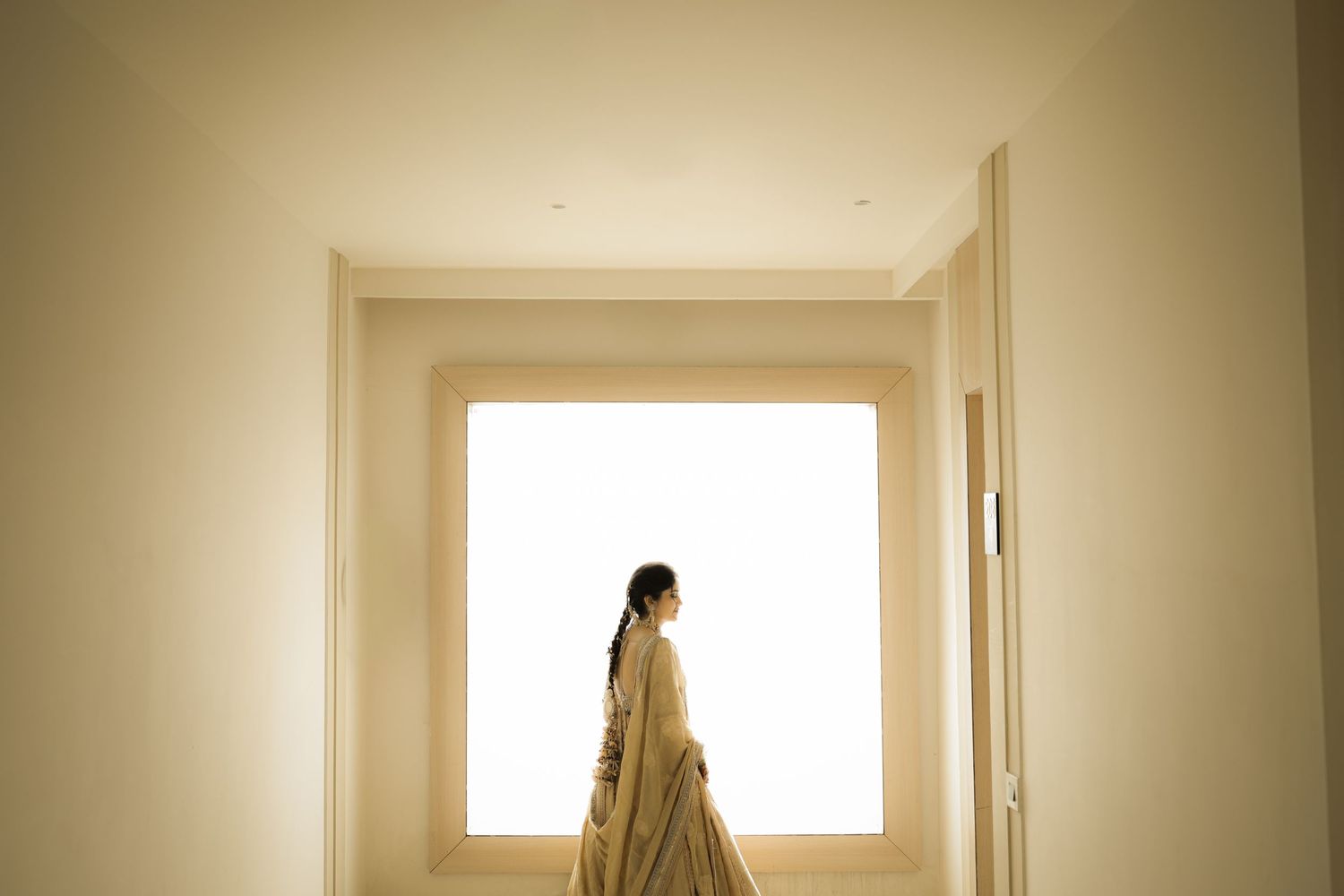
So What Is Wedding Photography Really?
At its simplest, wedding photography is the process of documenting a wedding through photographs and films.
But if that definition feels incomplete, it is because modern wedding photography has evolved far beyond documentation.
Years ago, wedding albums were mostly filled with stage portraits, ritual photographs, and formal family pictures. These photographs served an important purpose because they recorded who attended the wedding and what happened during the celebrations.
Today’s couples want something different.
They want photographs that remind them how the wedding felt.
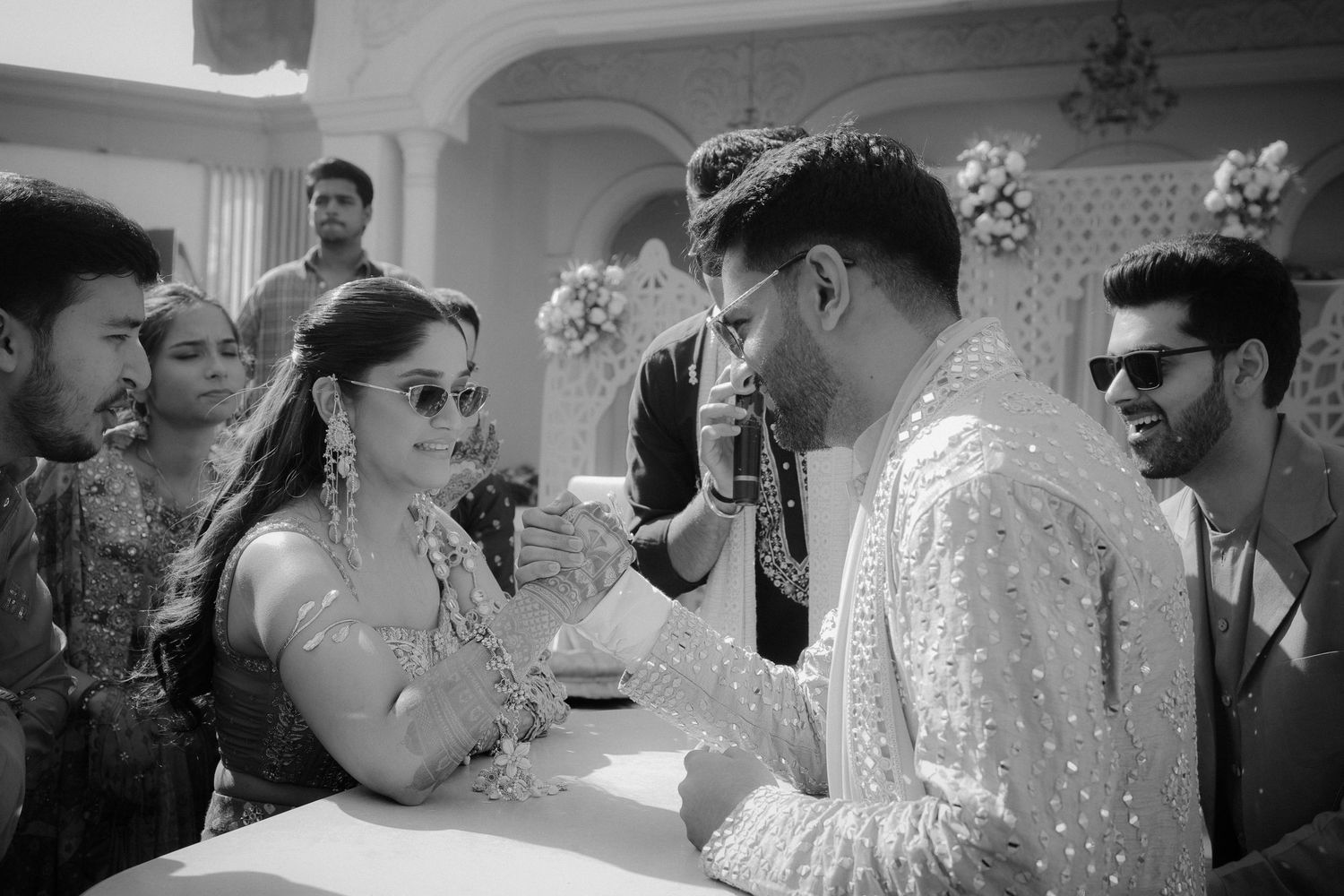
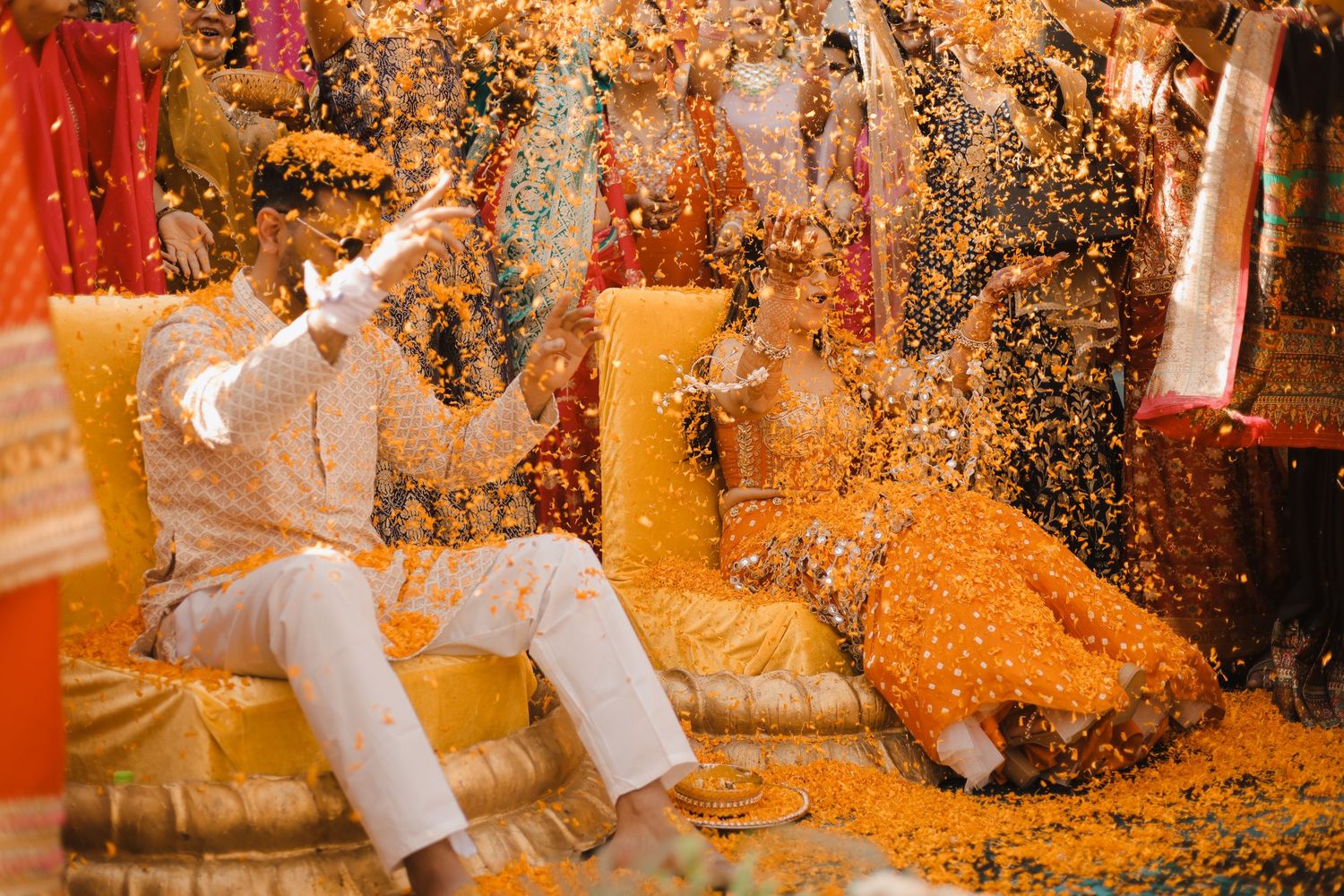
They want to remember the excitement before guests arrived. They want to remember conversations that happened between family members. They want to remember reactions, laughter, nervousness, celebrations, and emotions that unfolded naturally throughout the day.
Modern wedding photography has become a form of storytelling.
Instead of simply recording events, photographers now try to preserve the complete experience of the wedding.
At Impresio Studio, we often explain this to couples using a simple thought. Every guest experiences a wedding from only one perspective. Good wedding photography allows a family to experience the wedding from every perspective.
That is why wedding photography today is not simply about cameras. It is about observation, timing, storytelling, and understanding people.
Why Wedding Photography Feels More Important Today Than Ever Before
One of the biggest changes we have noticed over the last decade is how families interact with memories.
Years ago, wedding photographs were mostly viewed through printed albums. Families would occasionally bring those albums out during family gatherings and revisit old memories.
Today, photographs live everywhere.
Families share them on WhatsApp groups. Friends revisit them on social media. Children grow up looking at their parents’ wedding photographs. Relatives living in different cities experience weddings through photographs and films.
Yet despite all the technological changes, the emotional reason behind wedding photography remains the same.
People want to remember the people they love.
This becomes especially meaningful in Indian weddings because weddings are rarely just about two individuals. They are about families, generations, traditions, and relationships coming together.
One thing Vikas Singh often says during consultations is that wedding photographs become more valuable with time, not less.
The flowers disappear.
The decorations are removed.
The food is forgotten.
Even many conversations fade from memory.
But photographs often become the strongest connection people have to that particular moment in their lives.
This is why wedding photography occupies a unique place among wedding expenses. Most wedding purchases are enjoyed during the wedding. Photography continues delivering value long after the celebrations are over.
How Wedding Photography Has Changed in India
If someone compares a wedding album from twenty years ago with a wedding gallery today, the difference is immediately obvious.
Traditional Indian wedding photography focused heavily on documentation.
The goal was simple. Record the rituals. Record the guests. Record the stage photographs. Ensure every important person appeared somewhere in the album.
There was nothing wrong with this approach because it reflected what families expected at the time.
However, modern couples have very different expectations.
Today’s weddings are often planned around experiences and emotions rather than formal documentation alone.
Couples want photographs that feel natural rather than staged.
They want real reactions instead of forced smiles.
They want memories instead of records.
This shift has completely changed how photographers work.
At Impresio Studio, we have seen this transition happen gradually across weddings in Delhi NCR, Jaipur, Chandigarh, Goa, and destination venues. Couples increasingly care about moments that previous generations rarely considered important enough to photograph.
The bride laughing with her friends during makeup.
Parents reacting emotionally during preparations.
Family members sharing stories before ceremonies begin.
Guests interacting naturally throughout the celebrations.
These moments often become the most cherished photographs because they feel authentic.
The wedding industry sometimes refers to this as candid photography, but the reality is much broader than that.
It reflects a change in how people want to remember their weddings.
Instead of remembering only what happened, they want to remember how it felt.
Wedding Photography Is Not Just About the Couple
One of the biggest misconceptions people have about wedding photography is that it focuses primarily on the bride and groom.
While the couple remains at the centre of the story, weddings are actually made meaningful by everyone around them.
After photographing hundreds of weddings, we have consistently noticed that some of the most emotionally powerful photographs often have nothing to do with posed portraits.
A father waiting quietly before a ceremony.
A grandmother watching family traditions continue through another generation.
Friends helping during preparations.
Siblings sharing private conversations before major moments.
Children running around the venue without understanding the significance of the day.
These moments tell the story of a family.
This is why wedding photography is often described as storytelling rather than event coverage.
The goal is not simply to photograph activities.
The goal is to preserve relationships.
Many years later, people rarely revisit photographs because of decoration themes or venue details. They revisit photographs because they want to see people they love.
That emotional reality influences how modern wedding photographers approach every wedding they document.
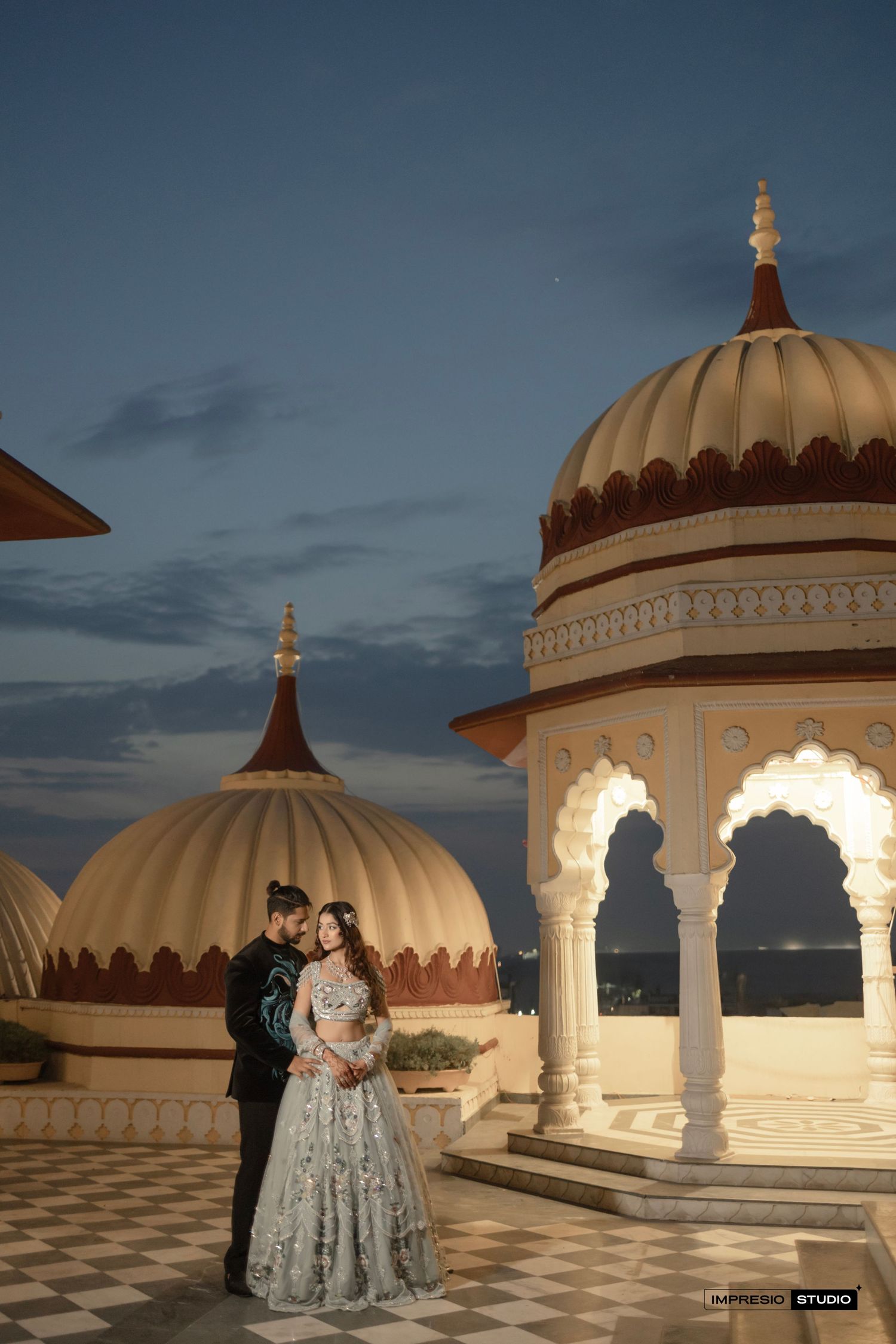
What Actually Happens Behind the Camera During a Wedding?
Most people see photographers carrying cameras during weddings.
What they do not see is everything happening behind the scenes.
Many couples are surprised when they learn how much preparation goes into wedding photography before the wedding even begins.
Good wedding photography often starts weeks before the event.
Photographers study timelines.
They understand family structures.
They review event schedules.
They evaluate lighting conditions.
They discuss expectations with the couple.
They identify important relationships and significant moments that should receive special attention.
At Impresio Studio, planning has always been a major part of the process because experience has taught us that preparation often matters more than equipment.
A beautiful photograph rarely happens by accident.
It usually happens because someone anticipated the moment before it happened.
This anticipation is one of the least visible but most valuable skills a wedding photographer develops over time.
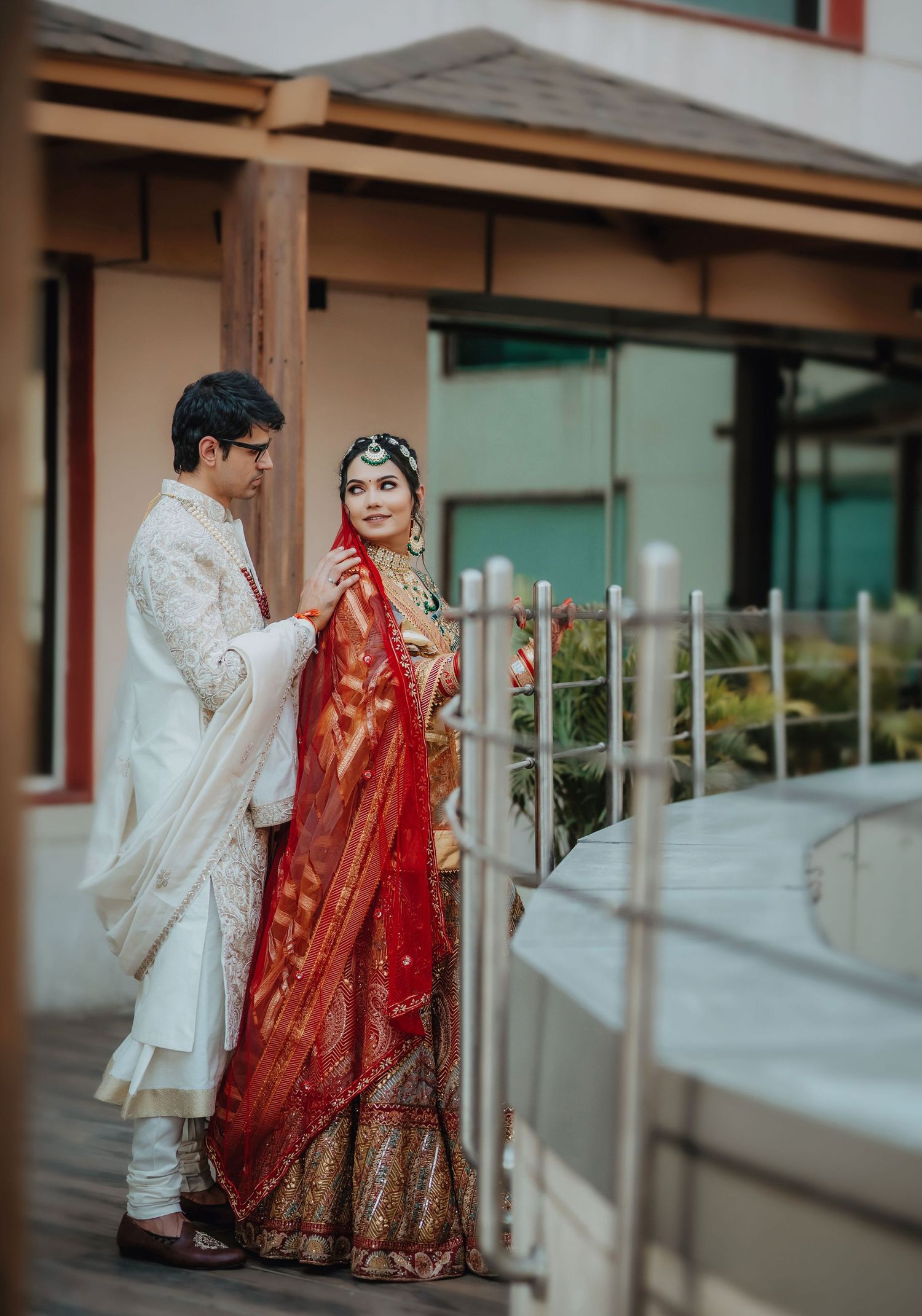
Types of Wedding Photography You Will See in Modern Indian Weddings
One of the reasons couples often feel overwhelmed while researching wedding photography is because they suddenly encounter dozens of terms that were never part of wedding conversations a few years ago.
Candid photography, traditional photography, cinematic films, documentary storytelling, editorial portraits, wedding reels, and luxury wedding coverage are all commonly used today. Many couples assume these are simply marketing terms, but each style reflects a different approach to documenting a wedding.
After photographing weddings across different cities, cultures, and wedding formats, we have observed that most couples do not actually struggle with choosing a photography style. What they struggle with is understanding which style matches the way they want to remember their wedding.
Every photography style serves a different purpose. Understanding these differences helps couples make better decisions and often prevents disappointment later.
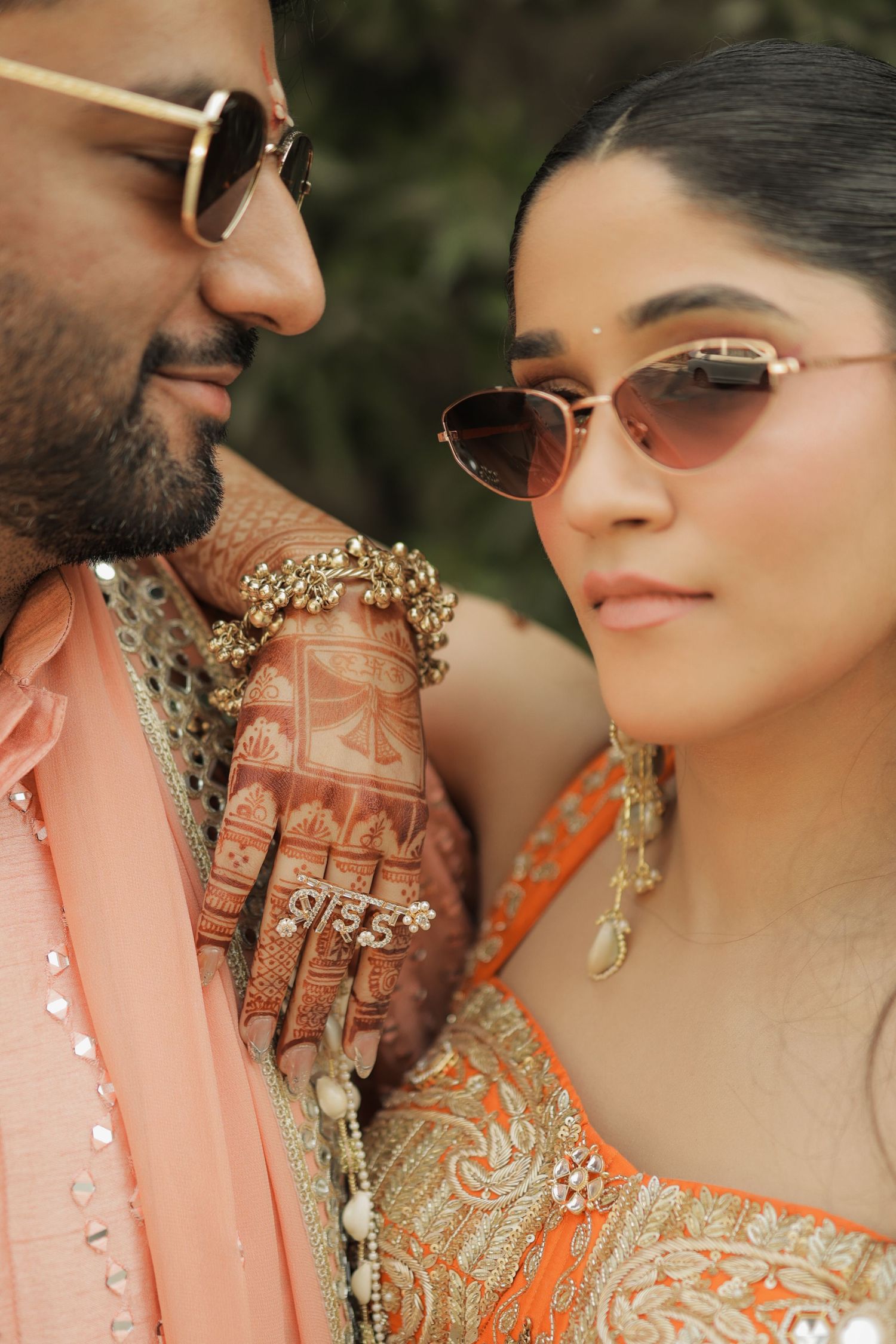
Traditional Wedding Photography
Traditional wedding photography remains one of the most important parts of Indian weddings, even though it is often overshadowed by conversations around candid photography.
This style focuses on documenting key rituals, family portraits, stage photographs, group pictures, and ceremonial moments. Traditional photography ensures that important family members are included in the wedding record and that significant rituals are properly documented.
Many younger couples assume traditional photography is outdated. In reality, some of the photographs families value most twenty years later often come from traditional coverage. Grandparents standing together for a family portrait, multiple generations sharing a frame, and formal family photographs frequently become irreplaceable records of family history.
At Impresio Studio, we have seen families revisit these photographs years later for reasons they never anticipated. Weddings often bring together relatives who may not gather again in the same way. Traditional photography preserves those connections in a way that candid photography alone cannot.
The best wedding coverage does not replace traditional photography. It combines traditional photography with modern storytelling techniques so that families receive both emotional moments and important family records.
Candid Wedding Photography
Candid photography is perhaps the most popular wedding photography style among modern Indian couples.
Unlike traditional photography, candid photography focuses on moments that happen naturally. Instead of asking people to pose, photographers observe interactions, emotions, and reactions as they unfold.
The reason candid photography became so popular is simple. People connect more deeply with genuine emotions than with staged expressions.
A father laughing during a family conversation often feels more meaningful than a carefully posed portrait. A bride sharing a private moment with her mother before the ceremony often carries more emotional weight than a perfectly arranged photograph.
However, one of the biggest misconceptions about candid photography is that it happens automatically.
Many people assume candid photography means simply pointing a camera toward people and waiting for something to happen.
The reality is very different.
Good candid photography requires anticipation, observation, timing, and an understanding of human behaviour. A photographer must constantly predict where meaningful interactions are likely to occur and position themselves accordingly.
After years of photographing weddings, one thing we have consistently noticed is that the best candid moments often last only a few seconds. Missing those few seconds means missing the photograph entirely.
This is why experience matters so much in candid wedding photography.
Documentary Wedding Photography
Documentary wedding photography is closely related to candid photography but operates with a slightly different philosophy.
While candid photography focuses on capturing natural moments, documentary photography focuses on preserving the entire story of the wedding exactly as it unfolds.
The photographer acts more like an observer than a director.
Instead of creating moments, they document them.
Instead of influencing interactions, they allow events to unfold naturally.
This approach often results in wedding galleries that feel incredibly authentic because they reflect the wedding exactly as it happened.
At Impresio Studio, documentary storytelling plays an important role in how we approach weddings because we have learned that authenticity often becomes more valuable with time.
Years later, families are usually more interested in remembering real emotions than perfect poses.
Documentary photography preserves those emotions honestly.
Cinematic Wedding Photography
One of the most significant developments in modern Indian weddings has been the rise of cinematic photography and films.
Today’s couples do not simply want wedding videos. They want cinematic wedding stories.
This shift has changed how photographers and filmmakers approach wedding coverage.
Cinematic photography focuses heavily on atmosphere, emotion, composition, movement, and storytelling. The objective is not simply to document events but to create visuals that feel timeless and emotionally engaging.
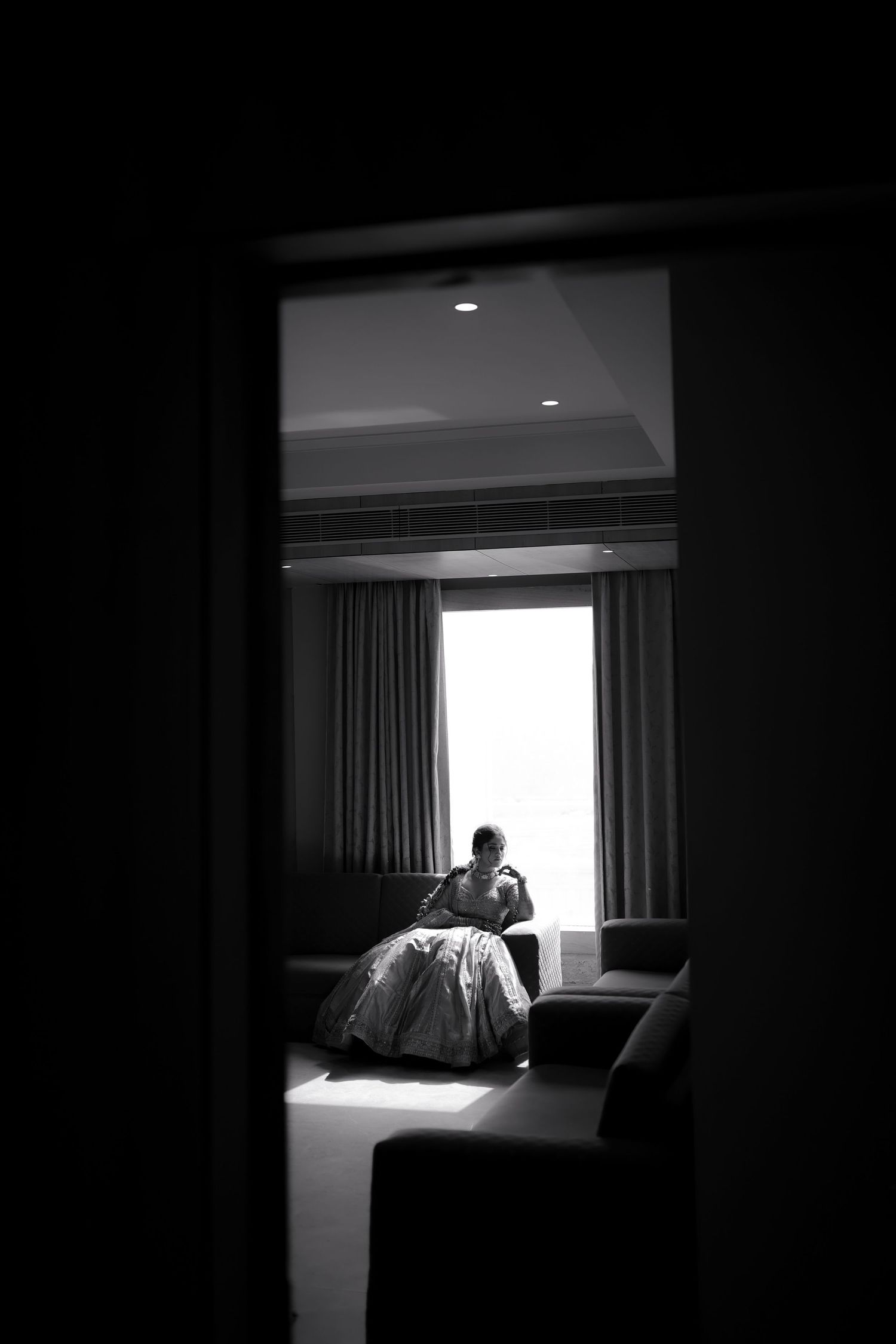
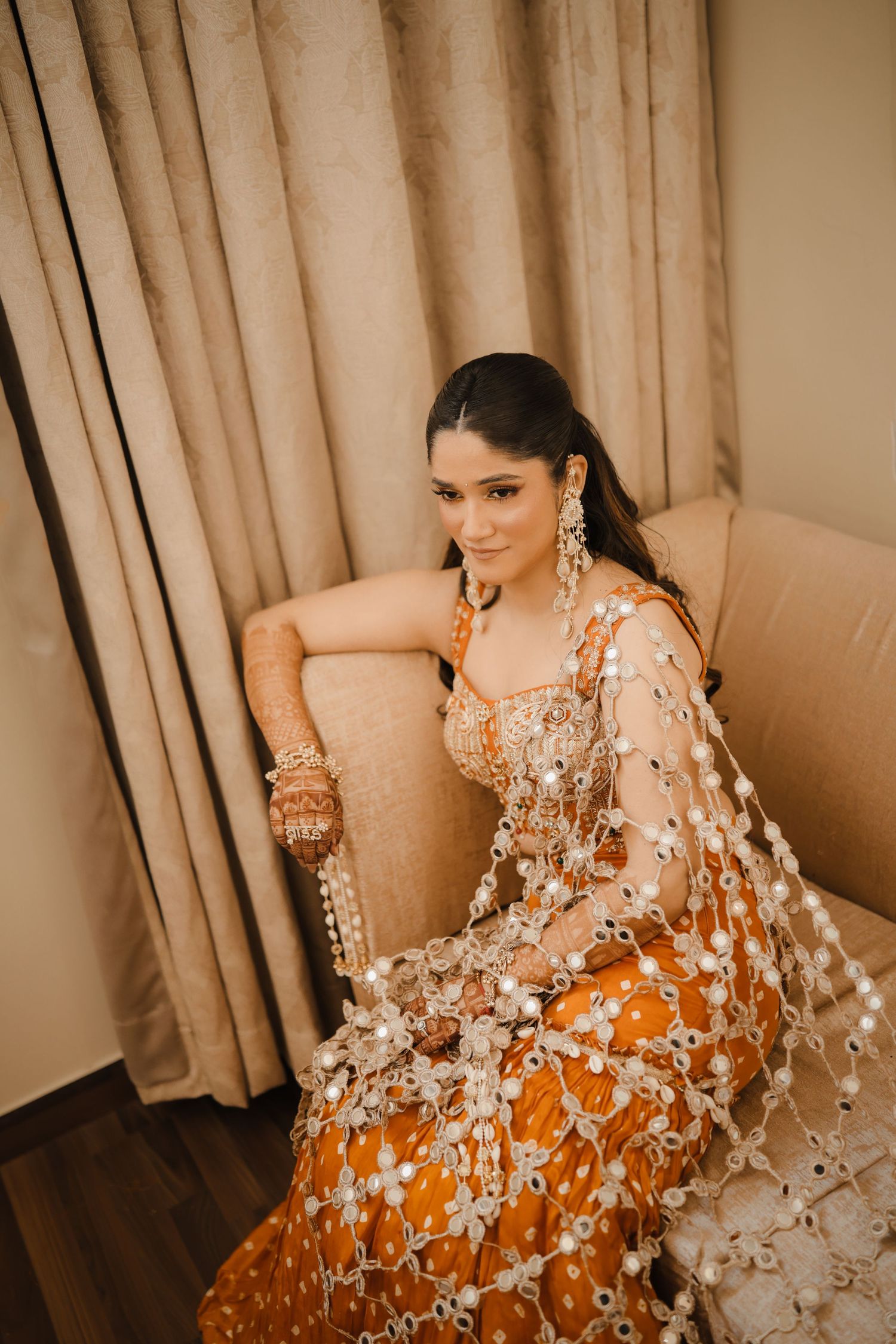
This approach often includes carefully planned portraits, creative lighting techniques, artistic compositions, and visual storytelling elements that help transform ordinary moments into extraordinary memories.
At Impresio Studio, cinematic storytelling is never about making a wedding look dramatic for the sake of appearance. It is about helping couples relive emotions through visual storytelling.
The strongest cinematic photographs are often the ones that still feel honest and authentic.
Without authenticity, even the most visually impressive photograph eventually loses its emotional value.
Is candid wedding photography enough, or do we still need traditional wedding photography?
This is one of the most common questions couples ask while planning their wedding. Many people assume that candid photography has completely replaced traditional photography, but in reality, both serve different purposes and work best together.
Candid photography focuses on emotions, reactions, conversations, and natural moments that happen throughout the wedding. These photographs help couples remember how the wedding felt. Traditional photography, on the other hand, ensures that important family portraits, group photographs, rituals, and formal moments are properly documented.
After covering weddings across different parts of India, we have consistently noticed that families often appreciate candid photographs immediately after the wedding because they are emotional and visually engaging. However, years later, traditional family portraits often become equally valuable because they preserve entire generations together in a single frame.
The strongest wedding coverage usually combines both styles. Candid photography tells the story, while traditional photography preserves the family record. Choosing only one often means losing an important part of the wedding memory.
How far in advance should we book a wedding photographer in India?
The ideal booking timeline depends on the wedding season, location, and photographer you want to work with. For most weddings in India, booking your photographer between six and twelve months in advance is considered a safe approach.
Popular wedding dates, especially during peak wedding seasons, can get booked surprisingly early. Destination wedding photographers and established studios often receive enquiries months before the actual wedding date. Waiting too long may limit your options, even if your budget is flexible.
One thing we have observed repeatedly is that couples spend a lot of time comparing venues, décor concepts, and outfits but postpone photography discussions until much later. By that stage, many of their preferred photographers may no longer be available.
Booking early also provides practical advantages. It allows time for planning discussions, pre-wedding shoots, timeline guidance, location recommendations, and understanding the family’s expectations properly. Good wedding photography is often the result of preparation, and preparation becomes easier when there is enough time before the wedding.
How can we tell if a wedding photographer is actually good and not just good on Instagram?
This is an extremely important question because social media can sometimes create a misleading impression. Most photographers showcase only their strongest photographs online. A beautiful Instagram profile does not necessarily tell you how consistently a photographer performs throughout an entire wedding.
The best way to evaluate a wedding photographer is to ask for complete wedding galleries rather than highlight reels. A complete gallery shows how they handle different lighting situations, family portraits, emotional moments, ceremonies, crowded environments, and unexpected challenges.
You should also pay attention to storytelling. Ask yourself whether the photographs make you feel connected to the wedding. Can you understand the emotions? Do the people look comfortable? Do the moments feel genuine?
Another useful indicator is communication. Experienced photographers usually ask thoughtful questions about timelines, family dynamics, important relationships, and wedding priorities. This often reflects a planning-first approach rather than simply showing up with cameras on the wedding day.
A photographer’s real quality becomes visible when you evaluate consistency across hundreds of photographs, not just a few carefully selected social media posts.
Why do some wedding photographers charge ₹75,000 while others charge ₹5 lakh or more for what looks like the same wedding?
This is probably the most debated wedding photography question on Indian forums and wedding planning groups.
The short answer is that you are not simply paying for photographs. You are paying for experience, planning, team structure, storytelling ability, editing quality, and the overall wedding coverage process.
A lower-priced package may include a smaller team, fewer deliverables, limited editing, and basic documentation. A higher-priced package may include multiple photographers, cinematographers, drone operators, dedicated reel creators, premium albums, advanced post-production, and extensive planning support before the wedding.
There is also a significant difference in how photographers approach weddings. Some focus primarily on recording events. Others focus on storytelling, anticipating moments, understanding family dynamics, and creating a complete visual narrative of the celebration.
After years of photographing weddings, one thing we have consistently observed is that the biggest difference is rarely the camera. It is the ability to handle real wedding situations calmly and consistently. Weddings are unpredictable. Timelines change, emotions run high, lighting conditions shift, and important moments happen without warning. Experienced photographers know how to adapt to these situations without compromising the final result.
That is why photography pricing can vary dramatically even when two weddings appear similar from the outside. The visible event may be the same, but the level of expertise behind the coverage can be very different.
The Moments Most People Don’t Realise Need Photographing
One of the most interesting things we have learned over years of wedding photography is that people often focus on photographing the obvious moments.
The varmala.
The pheras.
The reception stage.
The family portraits.
These moments are important, but they are also expected.
The moments people often underestimate are the quieter moments surrounding these events.
The bride reading messages from friends before getting ready.
Parents sitting alone for a few minutes before guests arrive.
Siblings helping each other during preparations.
Children exploring the venue without understanding the significance of the day.
Relatives meeting after many years.
These moments rarely appear on wedding checklists, yet they often become some of the most emotionally valuable photographs in an entire wedding gallery.
Vikas Singh often explains this to couples by saying that wedding photography is not only about photographing events. It is about photographing relationships.
Events create memories.
Relationships give those memories meaning.
That perspective influences how we approach every wedding because experience has consistently shown us that emotional value rarely comes from grand gestures alone. It often comes from small moments that would otherwise be forgotten.
Wedding Photography and Wedding Videography Are Not the Same Thing
Many couples use the terms photography and videography interchangeably, but they serve very different purposes.
Photography freezes a moment.
Videography preserves movement, sound, atmosphere, and sequence.
A photograph can preserve a father’s expression during an emotional moment.
A film can preserve his voice, the surrounding reactions, and the emotional progression of that experience.
Neither is more important than the other.
They simply preserve memories differently.
This is why most modern wedding packages include both photography and cinematography.
Photographs allow families to revisit individual moments in extraordinary detail. Films allow them to relive the overall experience.
Together, they create a much more complete record of the wedding.
At Impresio Studio, we often encourage couples to think of photography and films as complementary rather than competing services. The strongest wedding stories are usually told through both mediums working together.
What Makes a Great Wedding Photographer?
One of the most common misconceptions in the wedding industry is that good photography is primarily about cameras.
Every year, camera technology becomes more advanced. New equipment arrives, specifications improve, and photographers gain access to better tools. Yet despite all these technological improvements, some wedding photographs continue to feel timeless while others are forgotten quickly.
The reason is simple.
People remember stories far longer than they remember technical perfection.
After spending years inside weddings, we have observed that families rarely discuss camera models, lenses, or technical settings when they revisit wedding photographs. What they talk about are emotions, memories, and moments.
They remember how a photograph made them feel.
A great wedding photographer understands this difference.
Technical knowledge remains important because it ensures consistency, image quality, and professional execution. However, technical knowledge alone does not create meaningful photographs. The ability to understand people, anticipate emotions, recognise important moments, and tell stories visually often matters far more.
At Impresio Studio, one thing we have consistently noticed is that the strongest wedding photographers are usually exceptional observers before they become exceptional photographers.
They notice small interactions.
They understand family dynamics.
They recognise emotional patterns.
They know when important moments are likely to happen.
This awareness allows them to position themselves correctly before moments unfold rather than reacting after they happen.
Storytelling Matters More Than Individual Photographs
Many couples evaluate photographers by looking at a few impressive images on social media.
While strong individual photographs are important, wedding photography should always be judged as a complete story.
Anyone can create a beautiful image occasionally.
The real challenge is documenting an entire wedding consistently from beginning to end.
A wedding photographer must photograph preparations, ceremonies, portraits, family interactions, rituals, celebrations, and countless unexpected moments while maintaining quality throughout the day.
This requires endurance, planning, concentration, and experience.
A wedding gallery should feel like a story that unfolds naturally rather than a collection of unrelated images.
When couples review complete wedding galleries instead of social media highlights, they usually gain a much clearer understanding of a photographer’s actual capabilities.
What Should Couples Look for Before Hiring a Wedding Photographer?
Choosing a wedding photographer is very different from choosing most other wedding vendors.
The results cannot be fully evaluated until after the wedding is over.
This makes trust, consistency, and due diligence extremely important.
Unfortunately, many couples focus on the wrong things during their selection process.
They compare package prices.
They compare social media profiles.
They compare equipment lists.
While these factors may provide some information, they rarely reveal the full picture.
Ask to See Complete Wedding Galleries
One of the most valuable pieces of advice we give couples is to request complete wedding galleries.
A photographer’s social media profile usually displays only the strongest images from multiple weddings.
A complete gallery shows how consistently they perform across an entire event.
It reveals how they handle different lighting conditions, family interactions, ceremonies, portraits, and unexpected situations.
Complete galleries provide a much more accurate representation of what couples can expect on their own wedding day.
Understand the Team Structure
Many couples assume the person they meet during consultations will personally handle every aspect of coverage.
Wedding photography businesses often operate differently.
Understanding who will actually photograph the wedding, how many team members will attend, and how responsibilities are divided helps avoid misunderstandings later.
The quality of teamwork frequently influences the quality of coverage.
Discuss Delivery Timelines
Excitement after a wedding often makes waiting for photographs feel much longer than expected.
Clear discussions regarding delivery timelines help establish realistic expectations.
Professional photographers should be able to explain their editing process, estimated delivery schedules, and final deliverables.
Transparency during this stage usually reflects professionalism throughout the entire process.
Common Mistakes Couples Make When Choosing a Wedding Photographer
Every wedding teaches something new.
After documenting weddings for years, certain patterns appear repeatedly.
Some mistakes occur so frequently that they deserve special attention.
Choosing Based Only on Price
Budget naturally plays an important role in decision-making. However, choosing a photographer solely because they are the cheapest option often creates problems later.
Photography remains one of the few wedding investments that continues delivering value long after the celebration ends.
When evaluating quotations, couples should focus on value rather than price alone.
Understanding experience, deliverables, consistency, and workflow usually provides a more meaningful basis for comparison.
Focusing Only on Instagram
Social media has transformed how photographers showcase their work.
However, Instagram represents only a small portion of a photographer’s portfolio.
A strong social media presence does not automatically guarantee strong wedding coverage.
The ability to consistently document an entire wedding remains far more important than creating a handful of visually impressive images.
Ignoring Personality and Communication
Wedding photographers spend more time with couples during the wedding than many other vendors.
Compatibility matters.
The best photographs often happen when couples feel comfortable around the people documenting their wedding.
Strong communication creates trust, and trust allows people to behave naturally in front of the camera.
Natural behaviour almost always leads to better photographs.
Waiting Too Long to Book
Popular photographers often receive bookings months or even years in advance.
Delaying photography decisions sometimes limits available options significantly.
We have seen couples spend months researching venues and décor while postponing photography discussions, only to discover that their preferred photographers are already unavailable.
Planning photography early usually creates more flexibility and reduces decision-making pressure later.
Why Wedding Photography Becomes More Valuable With Time
One of the most interesting things about wedding photography is that its value rarely peaks on the wedding day.
Most wedding purchases are designed to enhance the celebration itself.
The venue creates atmosphere. The décor creates visual impact.
The food creates experiences for guests. The entertainment creates energy.All of these things matter.
Yet their impact is concentrated within a relatively short period of time.
Photography works differently.
Its value often grows with each passing year.
Photographs gradually become records of people, relationships, traditions, and family histories that continue evolving long after the wedding ends.Children eventually look at their parents’ wedding photographs. Families revisit photographs to remember loved ones. Friends relive experiences that would otherwise fade from memory.
Generations gain access to moments they never personally witnessed. This is why wedding photography occupies a unique position within wedding planning.
It is not simply documentation.It becomes part of a family’s history.
Years from now, very few people will remember exactly how the centrepieces looked or what songs played during a particular event. They will remember the people.The relationships.The emotions. The stories.
Good wedding photography ensures those memories remain accessible long after the celebrations have ended.
So, what is wedding photography?
After years of documenting weddings across different cities, cultures, traditions, and families, our answer remains simple.
Wedding photography is the art of preserving people before moments become memories.
It is about documenting emotions before they fade, relationships before they change, and stories before they are forgotten.
The cameras matter. The equipment matters. The technical skills matter.
But what matters most is understanding that weddings are ultimately about people. The best wedding photographs are rarely remembered because they are technically perfect.
They are remembered because they make someone feel something. And that is what wedding photography has always been about.