Cinematic Wedding Photography Explained
Weddings are full of emotions, little moments, and big celebrations all happening at once. So it's no surprise that couples today are looking for ways to capture their big day that feel more like a movie than a regular photo album. That's where cinematic wedding photography comes in. But what does "cinematic" actually mean when it comes to wedding photos? And how is it different from the traditional, posed photography most of us grew up seeing in our parents' albums?
In this blog, we'll break down what cinematic wedding photography really is, how it works, and how it compares to candid and traditional styles. We'll also look at lighting, locations, timelines, and how to prepare for each style. Throughout, Impresio Studio will step in to explain things in simple terms, almost like a friendly photographer sitting down with you over coffee to help you figure out what's right for your wedding.
What Does Cinematic Mean in Wedding Photography?
The word cinematic comes from cinema, which means movies. So cinematic wedding photography basically means photos that look like they're straight out of a film. Think dramatic lighting, rich colors, wide shots that show the whole scene, and compositions that feel like a still frame from a movie rather than a quick snapshot.
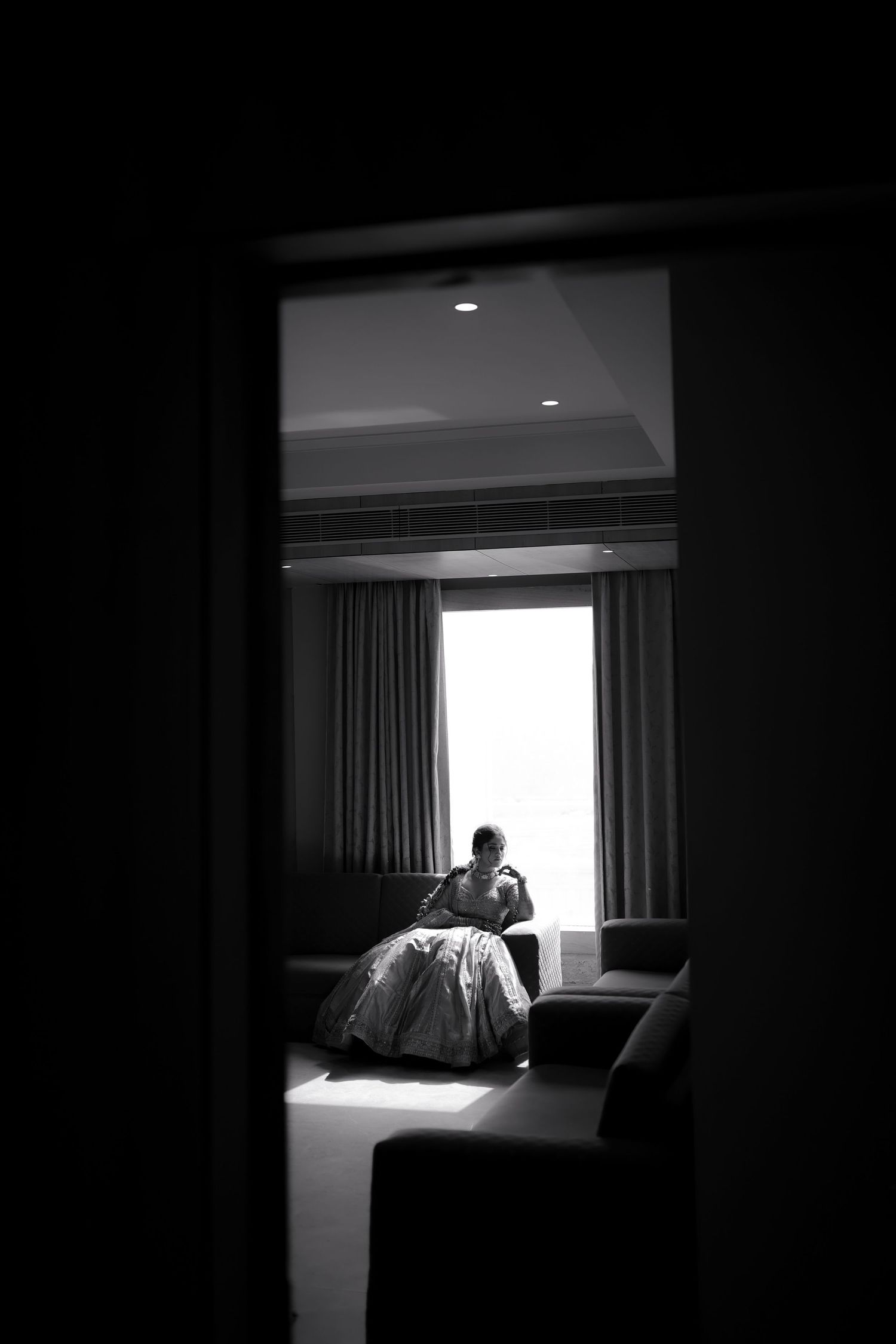
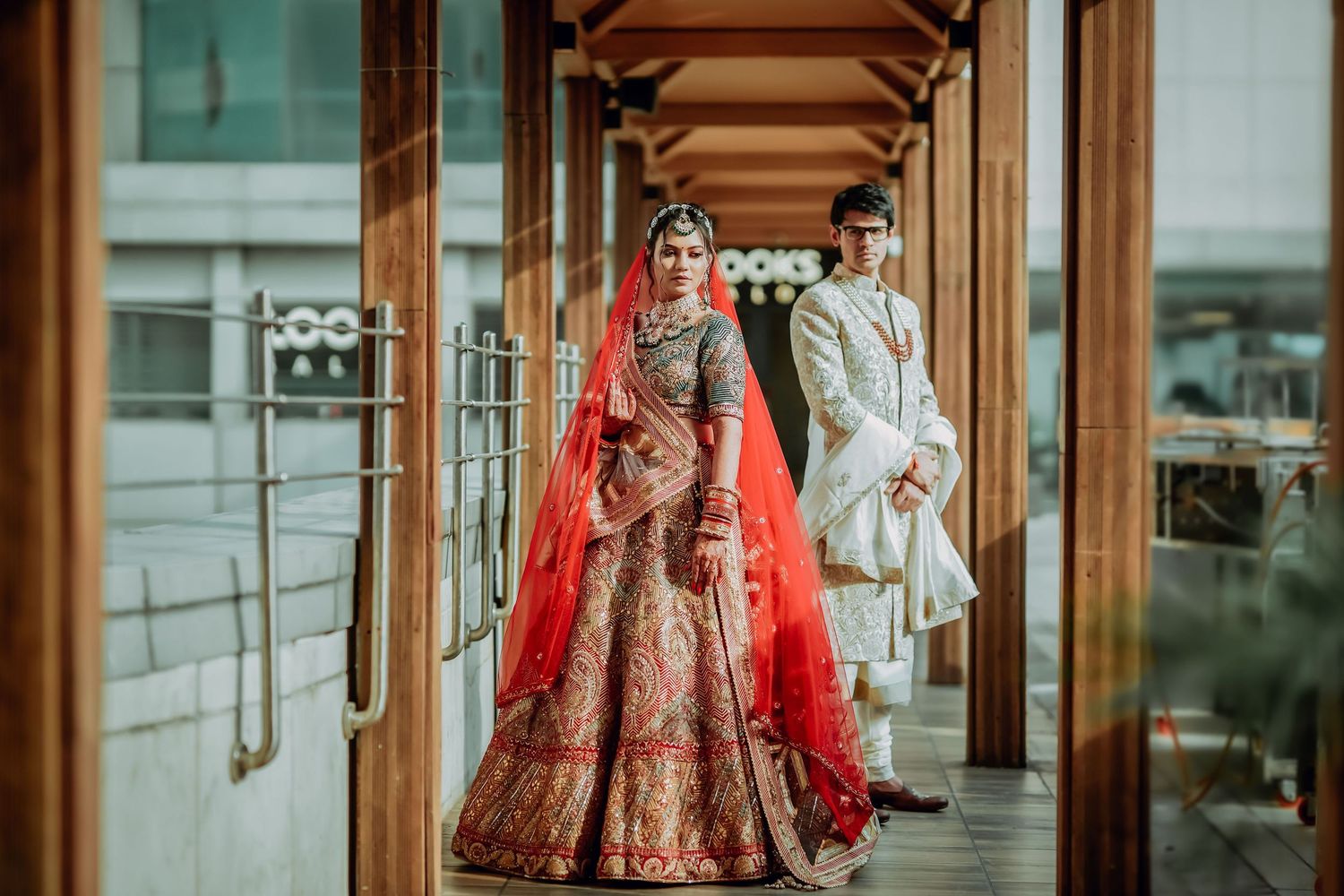
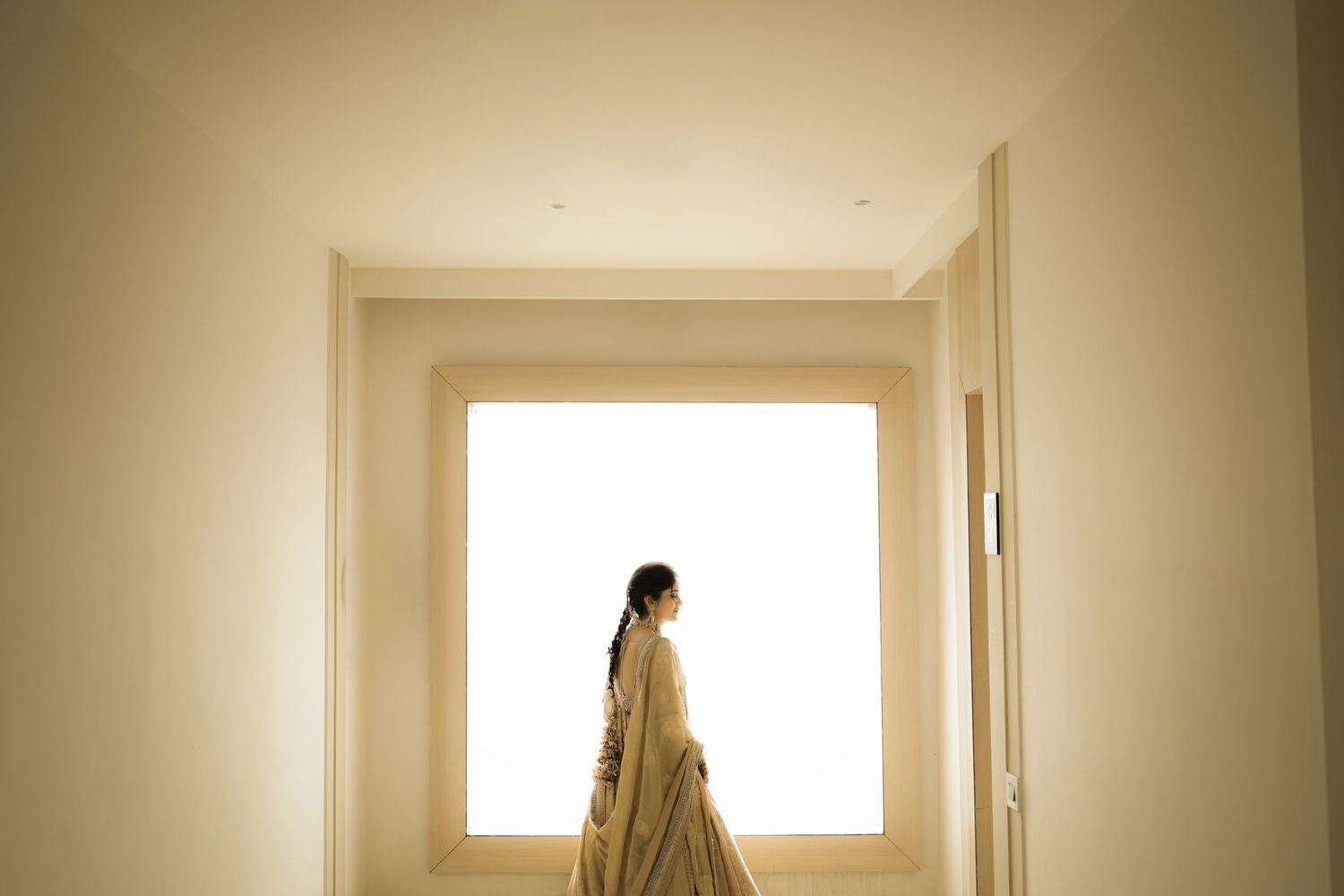
This style focuses heavily on mood and atmosphere. Instead of just capturing this happened, cinematic photography tries to capture this is how it felt. A photo of the couple walking down a corridor with soft light streaming in isn't just documenting a moment, it's telling a story about that moment. The framing might leave extra space around the couple to show their surroundings, or it might use shadows and silhouettes to add drama.
Impresio Studio explains it this way: When people ask us what cinematic photography means, we tell them to think about their favorite romantic movie. Remember those scenes where the lighting is just right, the colors feel warm or moody, and everything seems to slow down for a second? That's the feeling we try to bring into wedding photos. During a shoot, we pay close attention to natural light, shadows, and framing. We often use wider lenses to capture the surroundings, not just the couple, because the location and atmosphere are part of the story too. On the day of the wedding, clients can expect us to move quietly in the background during emotional moments and then guide them gently for a few cinematic portrait shots in beautiful spots around the venue. To prepare, we usually suggest picking at least one or two locations with good natural light or interesting backdrops, since lighting plays a huge role in this style.
Candid vs Traditional Wedding Photography: What's the Real Difference?
Before we go further into cinematic photography, it helps to understand the two styles it often gets compared to: candid and traditional.
Traditional wedding photography is what most people picture when they think of "old school" wedding albums. It involves posed group photos, formal portraits of the couple, and organized shots of family members. The photographer usually directs people where to stand, how to pose, and when to smile. This style is great for getting clear, well-lit photos of everyone important at the wedding, and it's especially useful for big family portraits that you'll want for years to come.
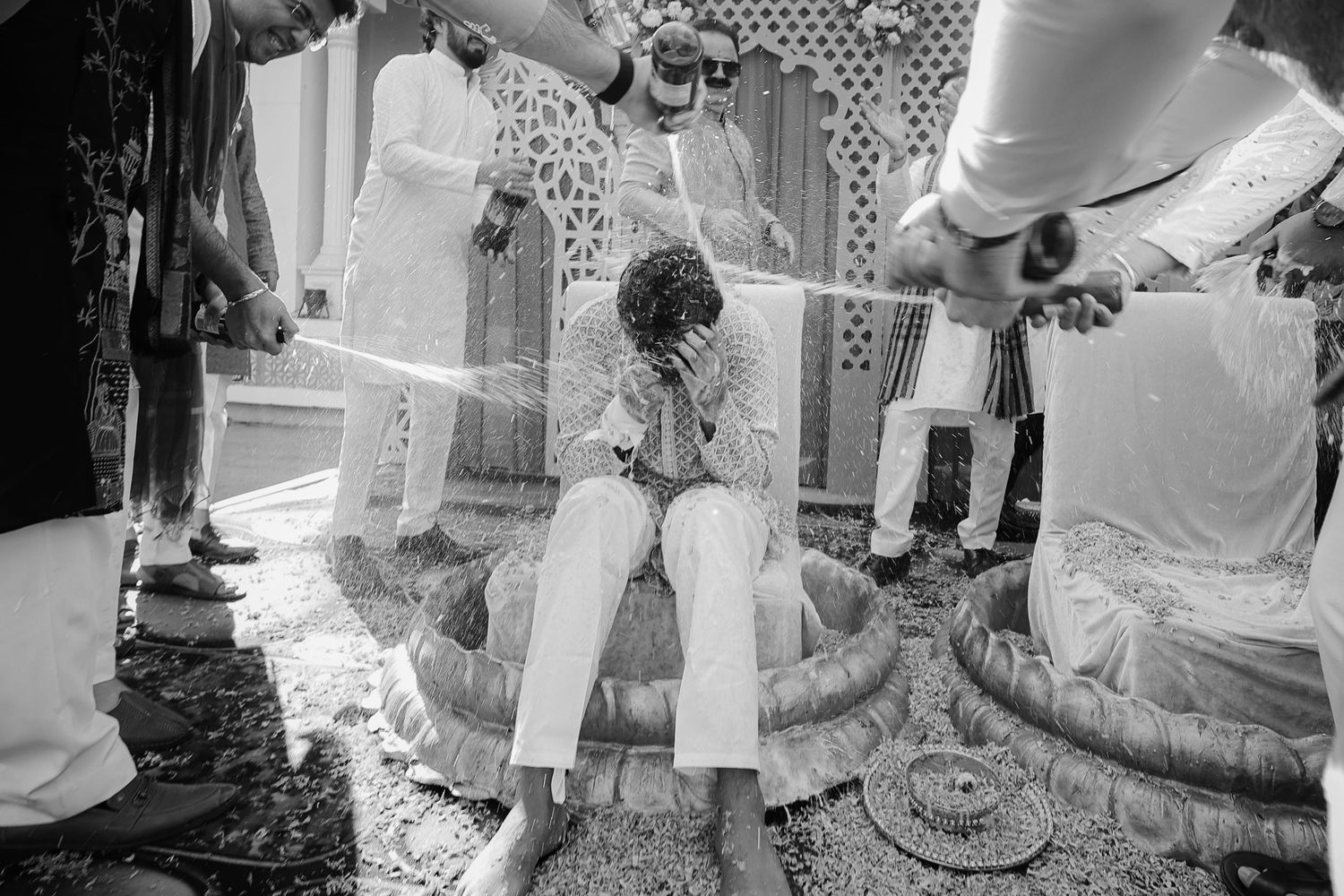
Candid photography, on the other hand, focuses on capturing real, unplanned moments. Think of a bride laughing with her sisters before the ceremony, or a grandfather wiping away a tear during the vows. These photos aren't posed, they just happen, and the photographer's job is to be ready to capture them as they unfold. Candid photography requires a lot of patience and quick reflexes, since these moments often last just a second or two.
Impresio Studio breaks it down simply: "A lot of couples come to us confused about candid versus traditional, so here's how we usually explain it. Traditional photography is about organization and clarity, it's perfect for those formal family portraits where everyone needs to look their best and be clearly visible. Candid photography is about emotion and spontaneity, it's the laughter, the tears, the in-between moments that you didn't even know were being photographed. During a wedding, we usually blend both styles. We'll set aside time for traditional family portraits, but the rest of the day, we're quietly capturing candid moments as they happen. Clients can expect us to ask for a short, organized portrait session early in the day, and then we mostly fade into the background. To prepare, just make a list of family combinations you want for traditional portraits, and trust us to handle the rest.
How Cinematic Photography Blends With Candid Moments
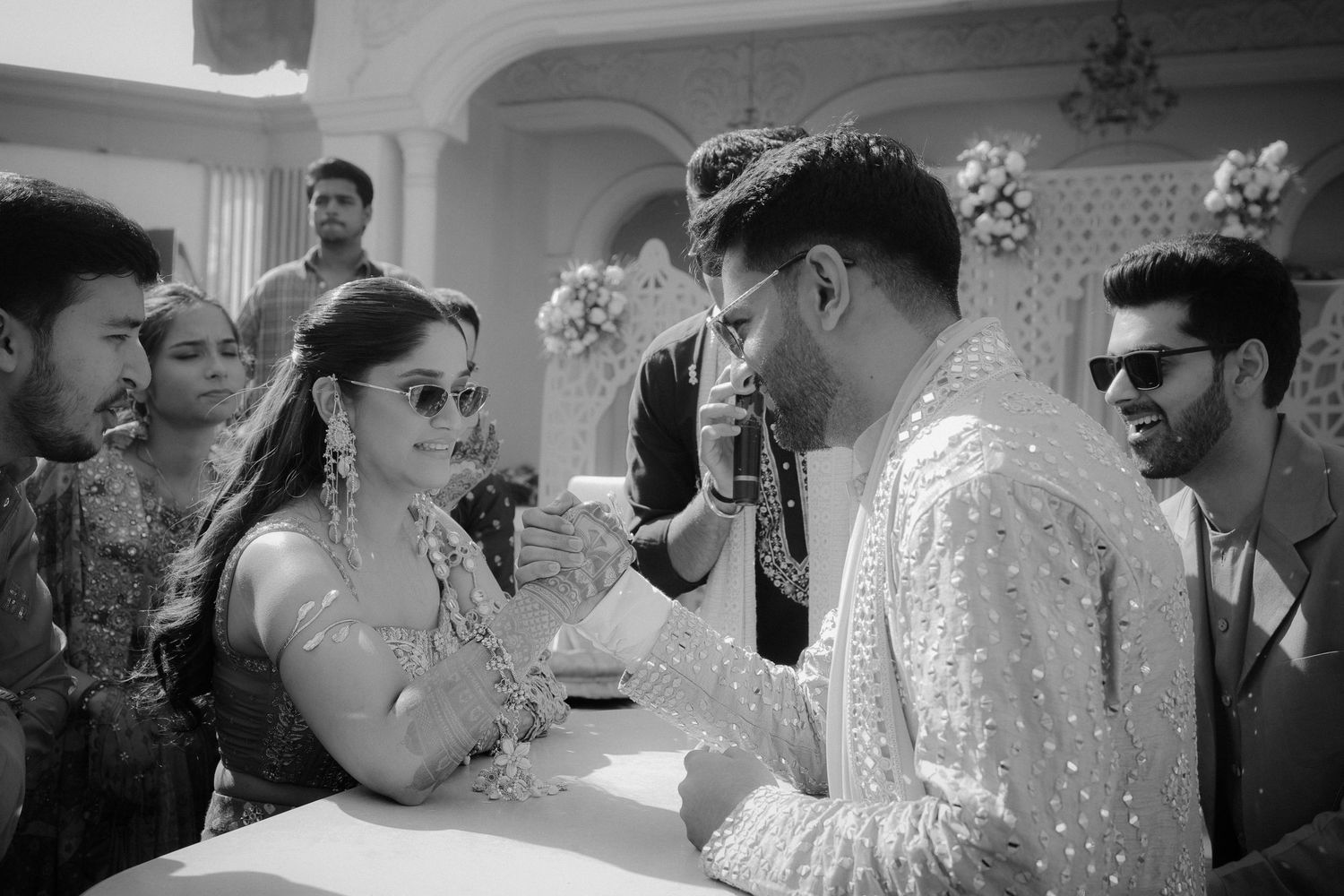
One of the best things about cinematic wedding photography is that it doesn't have to replace candid photography, it can actually enhance it. A candid moment, like the groom seeing the bride for the first time, becomes even more powerful when it's captured with cinematic lighting and framing.
This is where the two styles work together beautifully. The candid approach captures the real emotion, while the cinematic approach captures it in a way that feels artistic and timeless. Instead of a quick, slightly blurry photo of a tearful reaction, you get a beautifully framed shot with soft light, shallow depth of field, and a composition that feels like a movie still. The result is a photo that feels both real and visually stunning at the same time.
Impresio Studio shares how this works in practice: We often get asked if cinematic photography means everything is staged, and the answer is no, not at all. What we do is position ourselves in spots where we know good light and good moments are likely to happen, and then we wait. So when the groom's eyes well up during the vows, we're already in the right place with the right lighting to capture it beautifully. During the shoot, this means we're constantly scanning the room, watching the light, and anticipating moments before they happen. Clients can expect us to be present but not intrusive, you probably won't even notice us during these key moments. To prepare, just try to relax and let things happen naturally. The more comfortable you are, the more genuine and cinematic these candid moments will look.
The Role of Lighting and Locations in Cinematic Photography
If there's one thing that makes or breaks cinematic wedding photography, it's lighting. Natural light, especially during golden hour (the hour after sunrise or before sunset), creates that warm, soft, glowing look that's often associated with cinematic photos. Indoor venues with large windows, fairy lights, or dramatic chandeliers can also create beautiful cinematic effects.
Location matters too. A grand staircase, a quiet garden, a rustic barn, or even a busy city street can all become part of the visual story, depending on how they're framed and lit. Photographers often look for leading lines, like a hallway or a row of trees, that draw the eye toward the couple.
Impresio Studio explains how they approach this: Lighting and location are honestly half the work in cinematic photography. Before a wedding, we like to do a quick walkthrough of the venue if possible, just to scout for good light sources and interesting backdrops. During the shoot, we keep an eye on how the light changes throughout the day and plan certain shots around it, for example, scheduling couple portraits during golden hour for that warm, glowing look. Clients can expect us to sometimes ask to step outside for a few minutes during the reception if the lighting outside is particularly beautiful, even if it's just for ten or fifteen minutes. To prepare, it helps to know your venue's layout in advance and be open to moving locations briefly during the day for a few extra cinematic shots.
Cinematic Photography for Different Wedding Moments
Cinematic photography isn't just for couple portraits, it can be applied to almost every part of the wedding day. Getting ready shots, for example, can look incredibly cinematic when there's soft window light and a calm, quiet atmosphere in the room. The ceremony itself can be captured cinematically by focusing on wide shots that show the venue, the guests, and the couple all in one frame, almost like an establishing shot in a film.
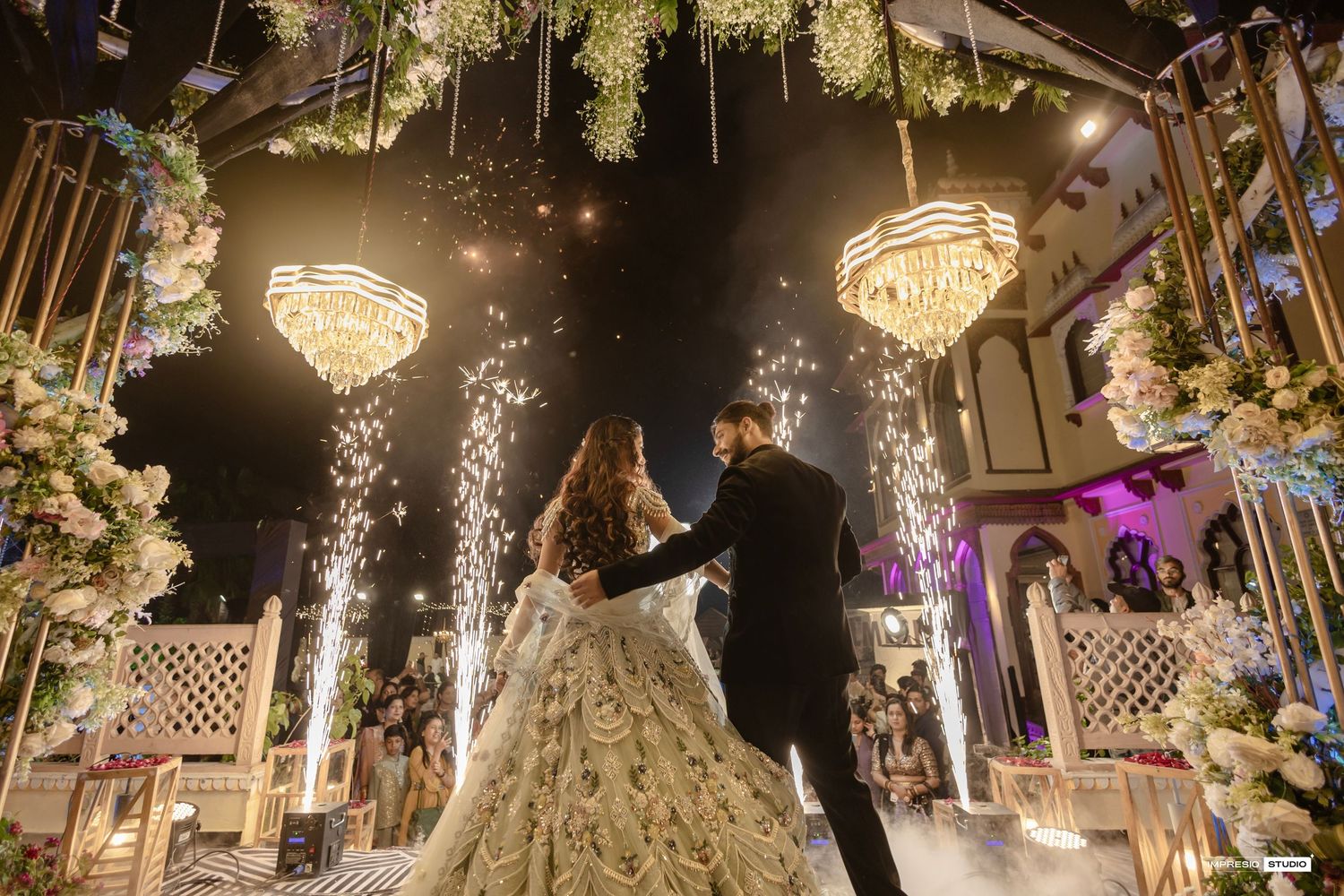
Even the reception, with its dancing, speeches, and decor, can be shot in a cinematic style by using ambient lighting, slow shutter speeds for movement, and creative angles that highlight the energy of the room.
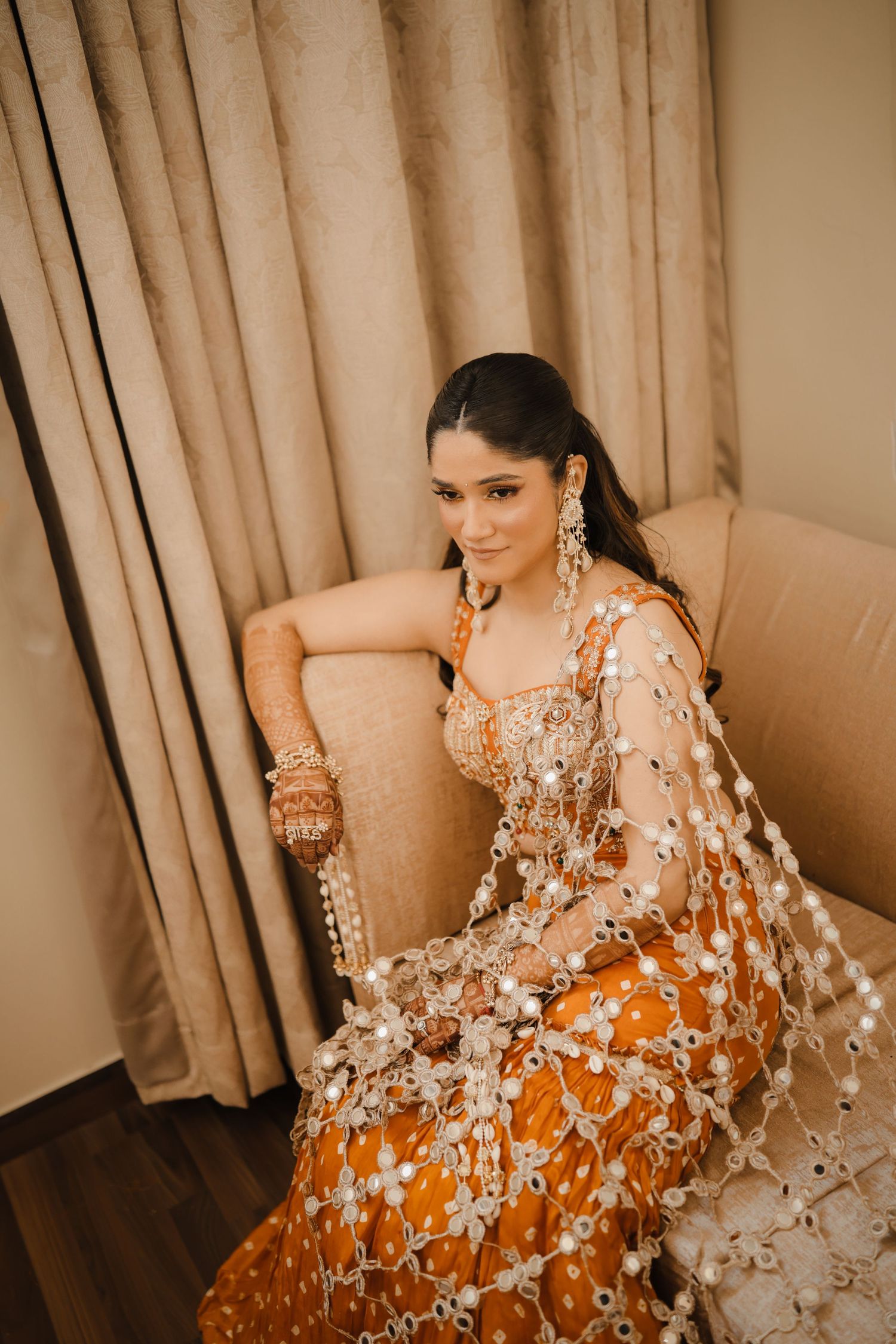
Impresio Studio explains how they adapt their approach throughout the day: "Every part of the wedding has its own mood, and we try to match our shooting style to that mood. During getting ready, things are usually calm and quiet, so we focus on soft light and small details, like jewelry, dresses, or quiet conversations. During the ceremony, we often shoot from a distance with longer lenses to capture wide, cinematic shots without being intrusive. At the reception, things get more energetic, so we might use slower shutter speeds to capture motion during dancing, or play with lights and shadows from the venue's decor. Clients can expect our shooting style to shift naturally throughout the day depending on what's happening. To prepare, just let us know your schedule in advance so we can plan where to be and when for the best cinematic shots."
What to Expect From a Cinematic Wedding Photography Session
So, what does a typical cinematic wedding photography session actually look like from start to finish? It usually starts with the photographer arriving early to get a feel for the venue, the lighting, and the overall vibe. Throughout the day, they'll be capturing both planned portraits and unplanned candid moments, all with an eye on composition, lighting, and storytelling.
Unlike traditional photography, where you might spend a lot of time posing for the camera, cinematic photography often feels more relaxed. You might be asked to walk somewhere, have a quiet conversation, or simply enjoy a moment together while the photographer captures it from a distance. There's usually less direction and more guidance, with the photographer suggesting an action or a spot rather than a specific pose.
Impresio Studio sums up what a typical session feels like: When people book a cinematic-style shoot with us, we always tell them not to expect a non-stop photoshoot all day. Instead, expect us to blend into the background most of the time, stepping in for short portrait sessions here and there. During these portrait moments, we might ask you to walk together, look at each other, or just talk quietly while we capture it from different angles. Clients can expect a more relaxed, less rigid experience compared to traditional photography. To prepare, it helps to wear comfortable outfits you can move in, and to go in with the mindset of just enjoying your day, the cinematic shots will come naturally as we capture you living in the moment.
How Cinematic Photography Affects Your Wedding Timeline
One thing couples often don't think about is how the choice of photography style can affect the wedding day schedule. Traditional photography usually requires dedicated time slots for posed group shots, which need to be planned carefully so that everyone is available and ready.
Cinematic photography, while more relaxed overall, does sometimes require small windows of time for portrait sessions in good lighting, particularly around golden hour. This means the photographer might need a few minutes here and there throughout the day, rather than one long block of time.
Impresio Studio offers some insight into planning around this: We always recommend building a little flexibility into the day's schedule if cinematic shots are a priority. For example, if the ceremony ends close to sunset, we might ask for ten or fifteen minutes right after to step outside with the couple before guests move to the reception area. During the day, we try to work around your schedule rather than disrupt it, fitting in quick portrait sessions during natural breaks like cocktail hour. Clients can expect us to communicate with the wedding planner or coordinator to find these little windows of time. To prepare, just share your day's timeline with us in advance so we can identify the best moments for cinematic shots without throwing off your schedule.
Choosing Between Photo and Video for a Cinematic Feel
Cinematic photography and cinematic videography often go hand in hand, but they're not the same thing. Photography captures still images with a cinematic look, while videography captures moving footage, often with music, transitions, and editing that make it feel like a short film.
Some couples choose only cinematic photography, some choose only cinematic videography, and many choose both, since they complement each other well. A cinematic photo might capture a single, perfect frame, while a cinematic video might show the same moment unfolding with sound and movement.
Impresio Studio shares how they help couples decide: We get asked a lot whether couples need both photo and video, or just one. Honestly, it depends on your budget and what you value more. If you love the idea of flipping through a beautiful photo album, cinematic photography alone might be enough. If you want to relive the sounds, the vows, the speeches, and the movement of the day, cinematic video adds another layer entirely. During a combined shoot, our photo and video teams work closely together so they're not getting in each other's way or duplicating angles. Clients can expect us to coordinate positioning so both teams get great shots without crowding key moments. To prepare, just decide early on whether you want photo, video, or both, since this affects how we plan our coverage of the day.
Common Misconceptions About Cinematic Wedding Photography
There are a few common misconceptions about cinematic wedding photography that are worth clearing up. One is that cinematic photos are heavily staged or fake, when in reality, most cinematic shots are based on real moments captured with great lighting and framing. Another misconception is that cinematic photography means everything will look dark or moody, when in fact, it can also look bright, warm, and joyful depending on the style.
Some couples also worry that choosing a cinematic style means they'll miss out on traditional family portraits, but this isn't true either, most photographers, including those working in a cinematic style, still set aside time for these important shots.
Impresio Studio addresses these misconceptions directly: We hear these concerns a lot, and we totally understand why. To clear things up, cinematic doesn't mean staged, it means thoughtful. We're capturing real moments, just with extra attention to light and composition. It also doesn't mean dark or moody only, cinematic styles can range from warm and golden to bright and airy, depending on what the couple prefers. And no, choosing cinematic photography doesn't mean skipping traditional portraits. During the shoot, we always make time for those important family photos first, and then focus on cinematic and candid shots for the rest of the day. Clients can expect a balance of styles, not an all-or-nothing approach. To prepare, just communicate any specific shots you don't want to miss, whether that's a formal family portrait or a candid moment with a loved one.
How to Choose the Right Style for Your Wedding
At the end of the day, there's no single best style of wedding photography, it depends on what you and your partner value most. If having clear, organized portraits with every family member is important to you, traditional photography should be a key part of your plan. If capturing raw, real emotions is your priority, candid photography will be essential. And if you love the idea of your wedding looking like scenes from a beautiful film, cinematic photography can bring that vision to life.
Many couples today choose a mix of all three, a few traditional portraits for the family album, plenty of candid shots throughout the day, and cinematic touches for key moments like the first look, the vows, or the couple's portraits. Thinking about your venue, your personalities as a couple, and how you want to feel when looking back at your photos can help guide this decision.
Impresio Studio offers some final guidance on making this choice: Honestly, the best approach is usually a mix, and that's what we recommend to most couples. Think about which moments matter most to you. If it's the big group photo with everyone in it, make sure traditional portraits are part of your plan. If it's the quiet, real moments, candid photography needs to be a priority. And if you love the idea of beautiful, movie-like shots of you and your partner, ask your photographer to focus on cinematic portraits during golden hour or in scenic spots at your venue. During the shoot, communicate these priorities clearly so the photographer knows where to focus their energy. Clients can expect us to ask about these preferences during our initial consultation. To prepare, just have an honest conversation with your partner about what matters most to each of you, and share that with your photographer well before the big day.