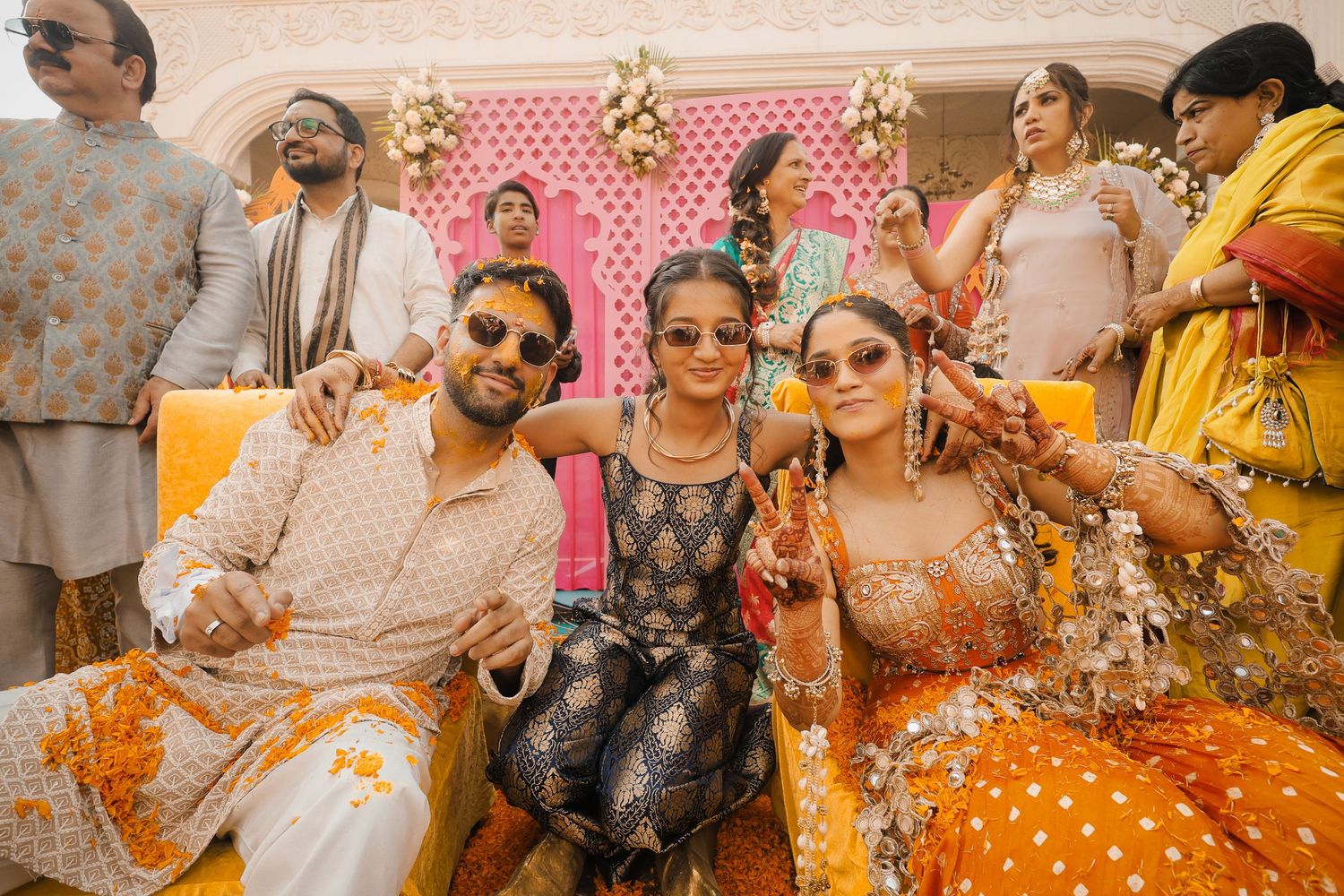
Every couple dreams of wedding photographs that capture genuine emotions, timeless traditions, and unforgettable celebrations. While choosing the right photographer plays a major role, another factor often has an even bigger impact on the final results—a well-planned wedding timeline.
A wedding day is filled with countless moments that happen only once. From the excitement of getting ready to the emotional exchange of vows, family blessings, candid laughter, and energetic celebrations, every part of the day deserves enough time to be photographed beautifully. When the schedule is rushed, photographers have fewer opportunities to capture natural expressions, creative portraits, and meaningful interactions. On the other hand, a thoughtfully planned timeline allows every important moment to unfold naturally, resulting in photographs that tell the complete story of your wedding.
Many couples spend months selecting outfits, venues, and decorations but leave the wedding schedule until the last minute. This often creates unnecessary stress and leaves little room for photography. A carefully designed timeline keeps everyone organised, reduces pressure, and ensures that both the couple and their families can enjoy the celebration without constantly worrying about the clock.
This guide explains how to build a wedding timeline that creates stunning photographs while keeping your wedding day relaxed, enjoyable, and memorable.
What Impresio Studio Observes:At Impresio Studio, we've found that the most beautiful wedding photographs are rarely created by rushing from one event to another. They come from weddings where couples have allowed enough time to enjoy every moment naturally. A well-planned timeline gives space for genuine emotions, relaxed portraits, and meaningful storytelling that lasts a lifetime.
Why a Wedding Timeline Matters More Than You Think
Your wedding timeline is much more than a list of events. It acts as the roadmap for the entire day, helping every vendor, family member, and guest understand what happens next.
For photographers, the timeline determines how much time is available for portraits, candid moments, family photographs, detail shots, and creative storytelling. It also helps them prepare for changing lighting conditions, important rituals, and emotional moments before they happen.
Without a clear schedule, even small delays can affect the entire day. Late makeup sessions may shorten bridal portraits, delayed ceremonies may push couple portraits into harsh afternoon sunlight, and an unplanned reception can leave little opportunity for meaningful family photographs.
A realistic timeline prevents these problems and helps everyone work together smoothly.
Start Planning Your Timeline Early
One of the biggest mistakes couples make is creating their wedding schedule only a few days before the event.
Instead, begin discussing your timeline several weeks or even months in advance. Speak with your photographer, wedding planner, makeup artist, decorator, and venue coordinator so everyone understands the flow of the day.
Start by listing every important ceremony and tradition that will take place. Include approximate durations for each event, travel time between locations if necessary, and small buffer periods to accommodate unexpected delays.
Adding extra time between major events makes the day feel much more relaxed. Weddings rarely run exactly according to schedule, so flexibility helps reduce stress for everyone involved.
A timeline should support your celebration rather than control it.
What Impresio Studio Observes: Our team always recommends building flexibility into every wedding schedule. Even an additional fifteen or twenty minutes between ceremonies can make a significant difference, allowing couples to remain calm while giving photographers the freedom to capture natural moments without rushing.
Begin the Day with Enough Time for Preparations
The wedding story begins long before the ceremony itself. Bridal and groom preparations are some of the most emotional and visually rich parts of the day.
Hair styling, makeup, getting dressed, exchanging gifts, reading handwritten letters, and spending quiet moments with family all create beautiful memories worth preserving.
Unfortunately, preparation sessions are often rushed because couples underestimate how long these activities take.
A relaxed morning allows photographers to document these moments naturally while also capturing important details such as wedding attire, jewellery, shoes, invitations, floral arrangements, accessories, and ceremonial items.
If the schedule is too tight, photographers may have to skip many of these storytelling elements.
Starting preparations earlier creates a much calmer atmosphere and gives everyone time to settle into the day.
Schedule Time for Detail Photography
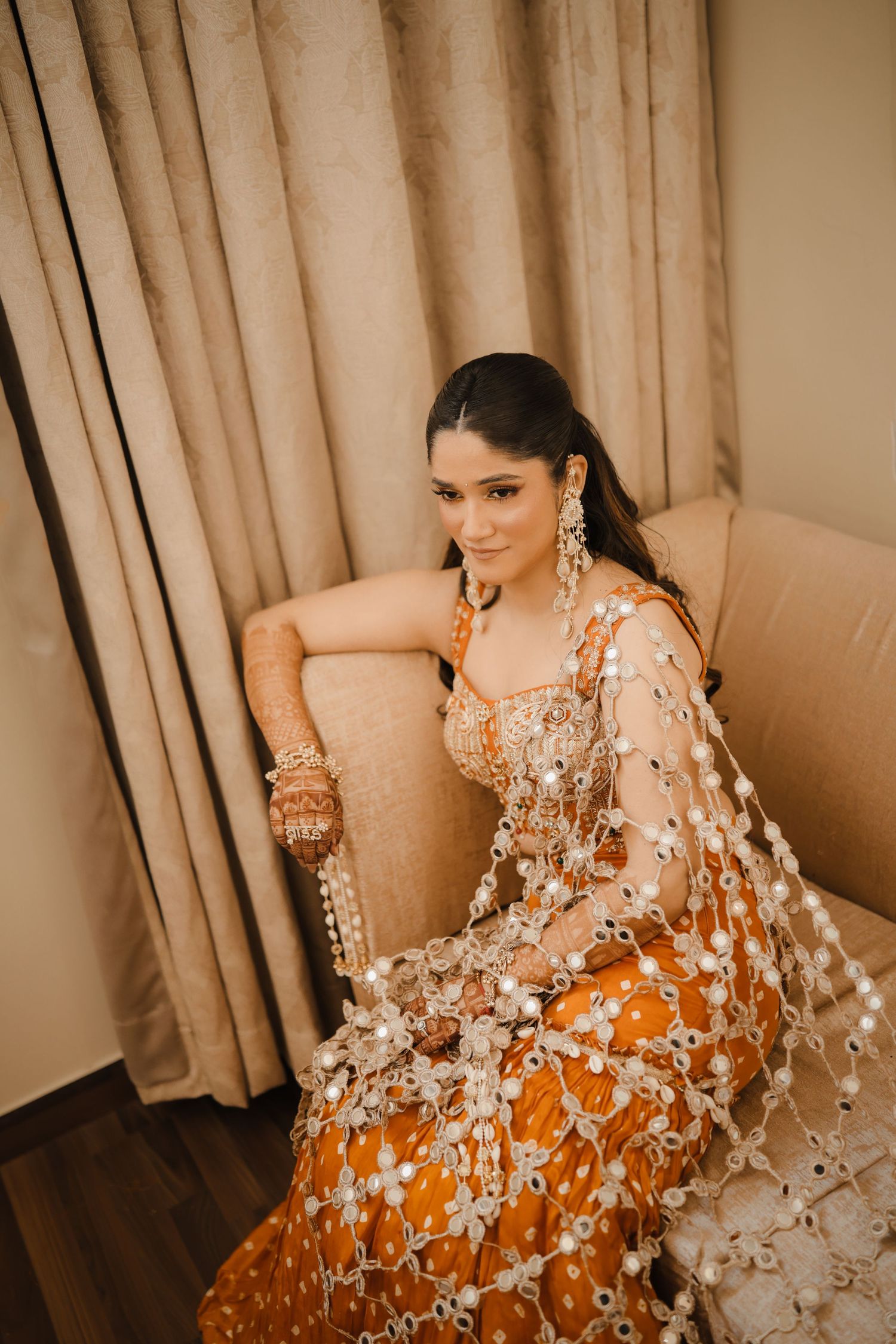
Every wedding includes carefully chosen details that reflect the couple's personality and planning. Wedding invitations, jewellery, rings, bouquets, embroidered outfits, heirloom accessories, and venue décor all contribute to the story of the celebration.
These items deserve dedicated photography before they are used during the ceremonies.
Professional photographers typically prefer photographing these details while everything is still neatly arranged and untouched.
Planning fifteen to thirty minutes specifically for detail photography ensures that nothing important is overlooked later.
These photographs also add depth and elegance to the final wedding album, helping tell the complete story from beginning to end.
What Impresio Studio Observes:At Impresio Studio, we believe that every small detail contributes to the larger story. The handcrafted invitation, the carefully selected jewellery, the floral arrangements, and even the ceremonial accessories represent months of thoughtful planning. Capturing them early allows these meaningful details to become a lasting part of your wedding memories.
Allow Plenty of Time for Bridal and Groom Portraits
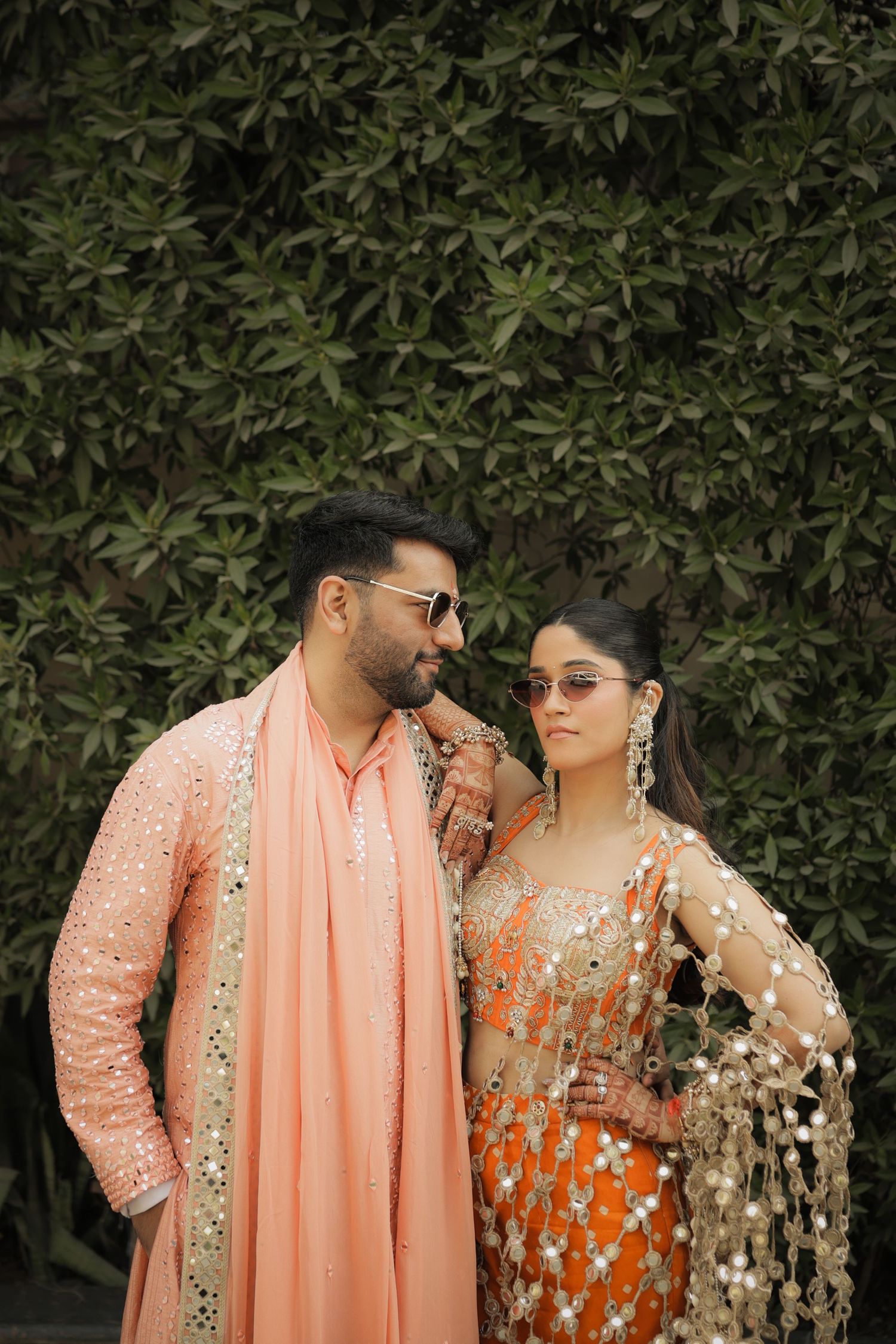
Portrait sessions are among the few moments during the wedding when couples can pause, breathe, and enjoy each other's company.
These photographs should never feel rushed.Instead of trying to complete portraits in ten or fifteen minutes, allow enough time for natural conversations, relaxed posing, and creative compositions.A comfortable portrait session helps couples forget about the camera, leading to genuine smiles and authentic expressions.
Photographers can also experiment with different backgrounds, compositions, and lighting conditions without constantly watching the clock.
If the venue is large, additional time may be needed to explore multiple locations for portraits.
Remember that beautiful portraits come from patience rather than speed.
Consider a First Look Session
Although not every couple chooses to see each other before the ceremony, a first look session has become increasingly popular.
A first look allows the couple to meet privately before the celebrations begin. These quiet moments often create genuine emotional reactions that photographers can capture beautifully.
It also provides additional time for couple portraits before guests arrive, making the rest of the wedding schedule much more relaxed.
For couples planning evening ceremonies, a first look can be especially helpful because it allows portraits to be taken while natural daylight is still available.
Whether you choose a traditional first meeting during the ceremony or a private first look beforehand, planning enough time for this moment will always enhance the storytelling.
What Impresio Studio Observes:Some of the most emotional photographs happen when couples simply spend a few uninterrupted minutes together before the celebrations begin. A well-planned first look creates a calm, intimate space where genuine emotions naturally unfold, resulting in timeless photographs.
Planning the Perfect Wedding Day for Stunning Photos
A carefully planned wedding timeline doesn't just keep the day organised—it allows every important moment to be photographed without feeling rushed. The right schedule helps photographers work with the best lighting, gives couples enough time to relax, and ensures family members are available when needed. By thinking ahead, you create the perfect conditions for photographs that look natural, emotional, and timeless.
Plan Your Ceremony Around the Best Lighting
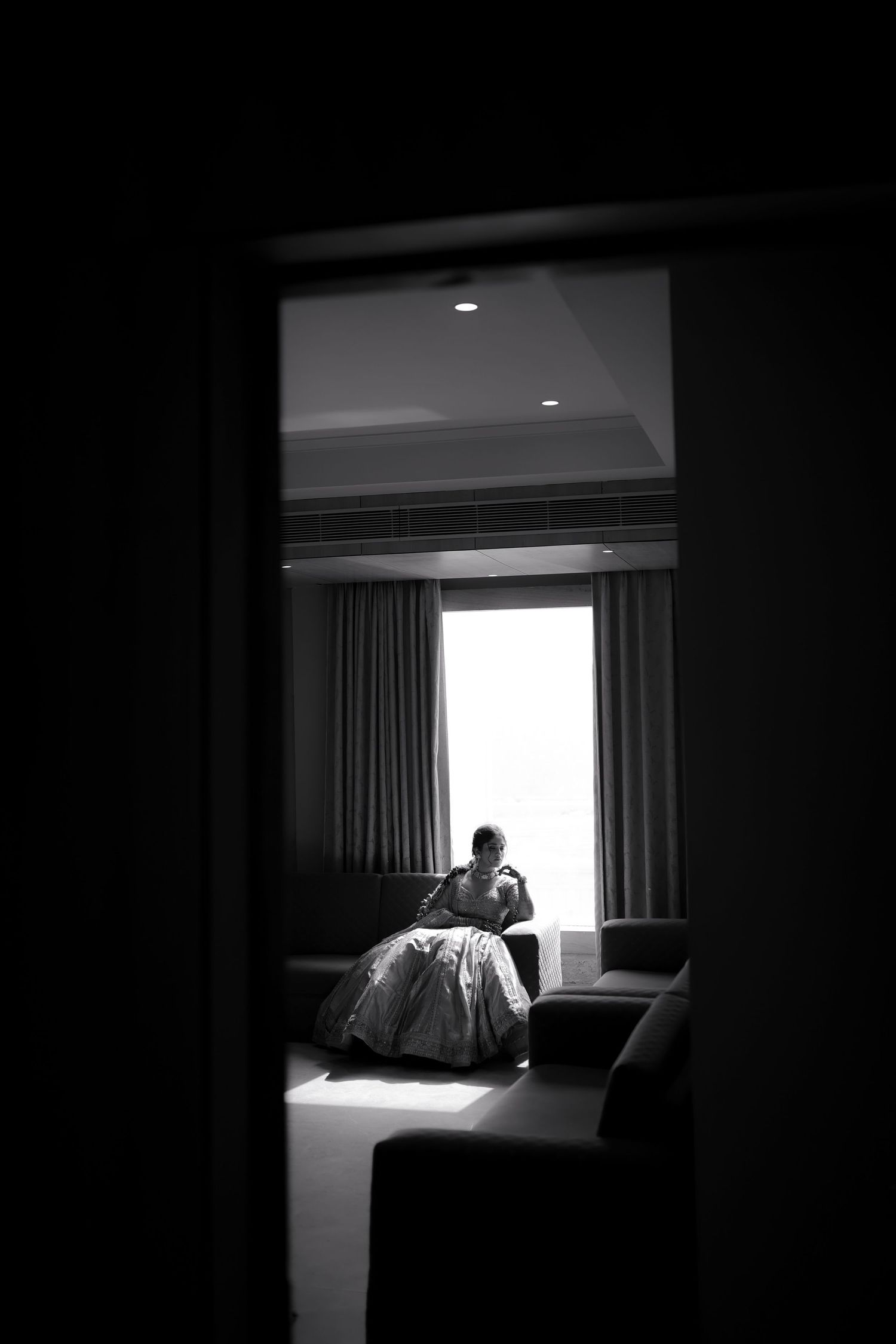
Lighting is one of the most important elements in wedding photography. Even the most experienced photographer works differently depending on whether the ceremony takes place in bright afternoon sunlight, soft evening light, or indoors.
If you are planning an outdoor wedding, avoid scheduling the main ceremony during the middle of the afternoon whenever possible. Between approximately 12 PM and 3 PM, sunlight is usually harsh, creating strong shadows on faces and making it difficult to achieve soft, flattering portraits.
Morning ceremonies often provide fresh, even light, while late afternoon and early evening ceremonies create warmer, softer tones that naturally enhance wedding photographs.
Indoor ceremonies also benefit from careful planning. Understanding the venue's windows, lighting arrangements, and available natural light helps photographers prepare the right equipment and techniques before the ceremony begins.
A discussion with your photographer while planning the timeline can make a significant difference to the final results.
What Impresio Studio Observes:At Impresio Studio, we always recommend building the wedding timeline around available light whenever possible. Beautiful lighting enhances natural skin tones, creates depth in photographs, and allows genuine emotions to stand out without excessive editing.
Schedule Family Portraits Before Everyone Gets Busy
Family portraits are among the most valuable photographs from any wedding. Parents, grandparents, siblings, relatives, and close friends come together in one place, creating memories that often become treasured keepsakes for generations. However, family photographs are also the easiest part of the day to delay if they are not planned properly.
Instead of deciding on family portraits at the last minute, prepare a list of important group combinations before the wedding day. Share this list with your photographer and appoint a family member who knows everyone to help gather relatives quickly. Scheduling family portraits immediately after the ceremony or before the reception usually works well because most guests are already present and everyone is still dressed in their wedding attire.
Organised planning keeps these sessions efficient while allowing families to return to the celebrations without long interruptions.
Wedding Timeline Planning for Photography Excellence
Leave Buffer Time Between Events
Wedding timelines often leave no room for unexpected delays—hair and makeup overruns, late guests, extended ceremonies, or traffic. Adding fifteen to twenty minute buffers between major events prevents cascading delays and creates space for authentic interactions. These flexible moments often become favourite photographs—candid conversations, laughter, and emotional family interactions captured during quiet transitions.
Golden Hour Photography
Reserve twenty to thirty minutes during golden hour—shortly after sunrise or before sunset—for couple portraits. This soft, warm, flattering natural light creates gentle highlights and romantic backgrounds difficult to recreate artificially. These portraits often become lifelong favourites in wedding albums.
Plan Reception Events Carefully
Space reception activities—grand entrance, speeches, cake cutting, first dance, performances—appropriately to allow photographers preparation time. Scheduling cake cutting before dinner service ensures better participation and cleaner photographs. Reception moments deserve attention equal to ceremonies, capturing genuine laughter, heartfelt speeches, and spontaneous celebrations.
Travel Time Between Locations
Estimate travel times generously accounting for parking, walking, and couple relaxation. When photographers know complete schedules in advance, they organize equipment efficiently and prepare for lighting changes at each destination.
Evening Portraits
Set aside ten to fifteen minutes later in the evening for dramatic nighttime portraits using decorative lighting, illuminated venues, and architectural lighting. These final portraits provide memorable conclusions showing celebrations in entirely new moods.

Common Wedding Timeline Mistakes to Avoid
Common Pitfalls
One of the biggest mistakes couples make is fitting too many activities into limited time. Packed schedules leave little opportunity to enjoy the day or capture meaningful photographs. Another common mistake is underestimating preparation time—hair styling, makeup, dressing, and family interactions usually take longer than expected, especially during large weddings.
Some couples forget to schedule dedicated portrait sessions, assuming photographs can be taken whenever convenient. Planned portrait time produces much more relaxed and creative results. Ignoring lighting conditions, forgetting travel time, or delaying family portraits until guests begin leaving also affect final albums. The best wedding timelines balance structure with flexibility, allowing every important moment to unfold naturally while giving photographers enough time to document the day beautifully.
Work Closely with Your Photographer
Experienced photographers understand how long different sessions require and can suggest best times for portraits, family photographs, and creative shots based on lighting and day flow. Your photographer may recommend beginning bridal preparations slightly earlier allowing adequate detail photography, or suggest moving couple portraits closer to sunset for softer natural light.
Impresio Studio recommends couples involve photographers during planning stages. Every wedding is unique, so schedules should be built around your venue, traditions, guest count, travel requirements, and personal preferences. By discussing schedules in advance, understanding priorities, and coordinating with vendors, we help create relaxed timelines ensuring every meaningful moment is beautifully documented. This collaboration transforms photography from an afterthought into an integral part of your celebration planning.
Adjust Timeline for Wedding Style
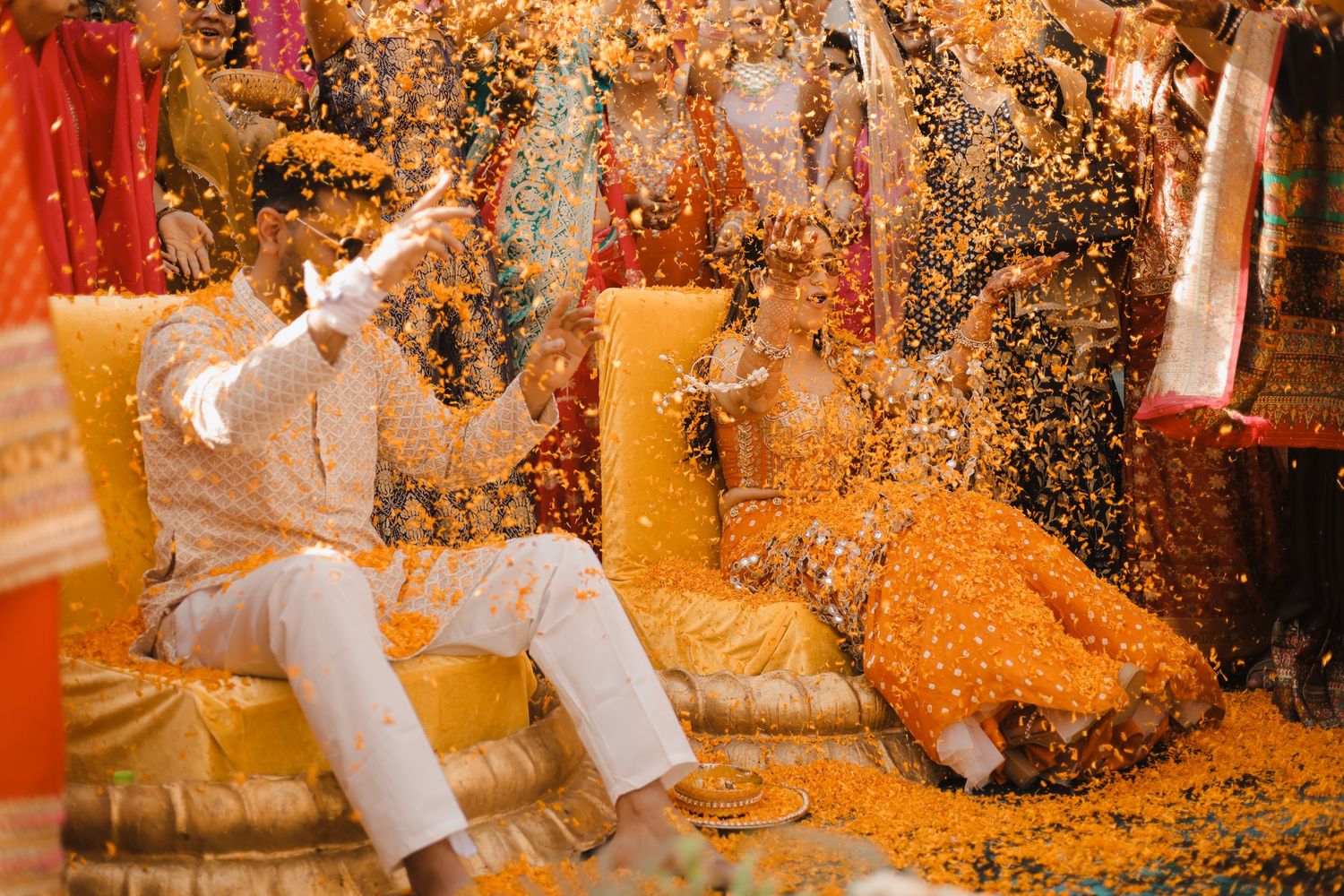
Every wedding follows unique traditions requiring customized timelines. Destination weddings need additional travel time between locations and separate portrait sessions maximizing scenic backdrops. Multi-day celebrations require individual photography plans for mehendi, haldi, sangeet, ceremony, and reception—each event deserving distinct photographic approaches.
Traditional Indian weddings include rituals deserving adequate time for photographers capturing ceremonies without interruption. Planning realistic durations for customs, blessings, and family interactions preserves traditions naturally. Smaller intimate weddings allow more flexibility, enabling couples spending additional time with families, enjoying longer portrait sessions, and capturing relaxed candid moments without tightly packed schedules. The best timeline reflects your wedding style while leaving space for genuine emotions unfolding authentically.
Build Flexibility
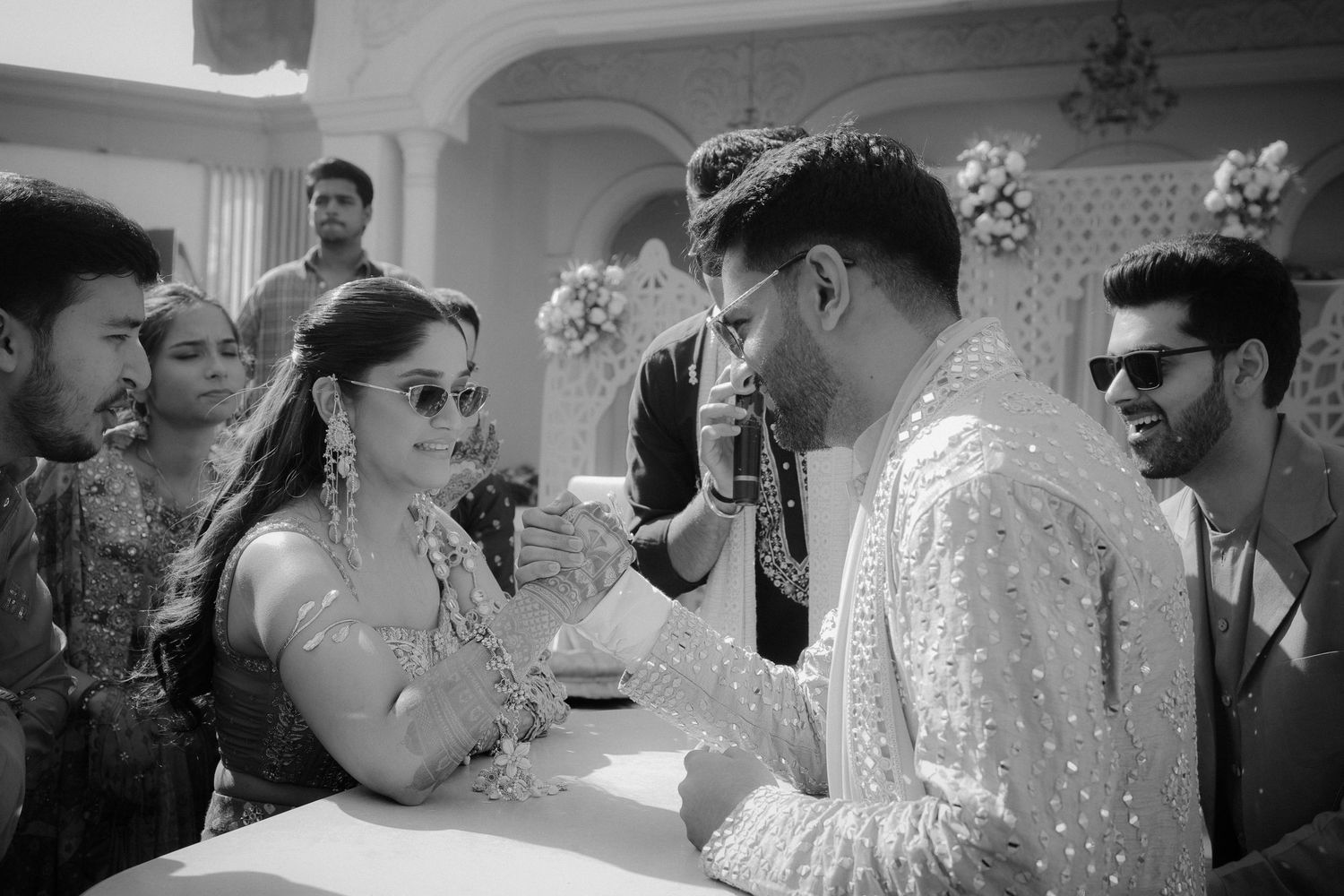
Add short buffer periods between major events allowing adaptation without unnecessary pressure. Flexibility helps photographers capture spontaneous moments becoming the most memorable images. Some meaningful photographs are never planned—parents adjusting outfits, siblings laughing, grandparents blessing—happening during quiet moments between ceremonies.
Impresio Studio observes that flexible timelines often prove more valuable than overly detailed ones. Weather conditions, traffic, delayed arrivals, or ceremonies naturally taking longer are common wedding parts. When couples remain relaxed despite small delays, their expressions stay natural and overall atmosphere remains joyful. These unplanned authentic moments—genuine emotions captured during transitions—often become treasured album highlights, telling your wedding story more completely than formally scheduled moments alone.
A Simple Wedding Timeline Checklist
As your wedding day approaches, review your timeline to ensure every important element has been considered.Make sure preparation sessions begin early enough to avoid unnecessary rushing. Confirm travel times between locations, especially if multiple venues are involved. Allocate dedicated time for bridal portraits, groom portraits, family photographs, and couple portraits.
Plan your ceremony with the available lighting in mind, and reserve a short session during golden hour if possible. Keep reception events organised while allowing a little flexibility between activities. Finally, share the completed timeline with your photographer, planner, makeup artist, venue coordinator, and close family members so everyone understands the schedule.Good communication ensures that every vendor works together efficiently, allowing you to focus on enjoying your celebration.
Why a Great Timeline Leads to Better Memories
Beautiful wedding photography is not created by chance. It is the result of thoughtful planning, collaboration, and allowing meaningful moments to happen naturally.When couples are constantly rushing from one event to another, it becomes difficult to remain present in the moment. However, a well-balanced timeline provides opportunities to pause, connect with loved ones, and truly experience the emotions of the day.
These genuine interactions are what make wedding photographs timeless. Years later, couples often remember not only how their wedding looked but also how it felt—and those emotions are preserved through carefully planned photography.
At Impresio Studio, we see the wedding timeline as an important part of storytelling. A relaxed schedule allows us to document the celebration as it naturally unfolds, creating photographs that remain meaningful for generations.