Why Professional Wedding Photography is Worth the Investment?
Your wedding day is one of the most significant days of your life. The flowers will fade, the cake will be eaten, and the decorations will come down — but photographs last forever. Yet, when couples start planning their wedding budget, photography is often the first category where they consider cutting costs. It's tempting to hand the job to a relative with a decent camera or hire the cheapest option available. But here's the truth: professional wedding photography is not just a service — it's an investment in your memories.
In this blog, we'll walk you through exactly why hiring a professional wedding photographer is worth every rupee, and how understanding different photography styles can help you choose what's right for your big day.
The Real Value of Wedding Photographs
Think about your parents' or grandparents' wedding photos. Those faded, slightly blurry images are probably some of the most treasured possessions in your home. Now imagine how much more your own children and grandchildren will treasure crisp, beautifully composed, emotionally rich photographs of your wedding photographs that tell the full story of your day.
Professional photographers don't just point and shoot. They understand light, composition, timing, and emotion. They know how to capture the tear on your mother's cheek during the vows, the laughter during the baraat, or the quiet moment between you and your partner just before the ceremony begins. These are not accidental shots; they are the result of years of training, experience, and artistic vision.
Wedding photography is also one of the few things from your wedding that you will actively engage with for the rest of your life. You might revisit your wedding video occasionally, but you'll flip through your wedding album on anniversaries, share photos with friends, frame them in your home, and carry them with you in the form of memories. The quality of those images shapes how you remember the day itself. Blurry, poorly lit, or emotionally flat photographs don't just disappoint — they slowly rewrite how you feel about a day that deserved to be documented beautifully.
This is why professional wedding photography isn't a luxury. For most couples, it's the single most lasting thing they invest in on their wedding day.
What Happens When You Skip Professional Photography?
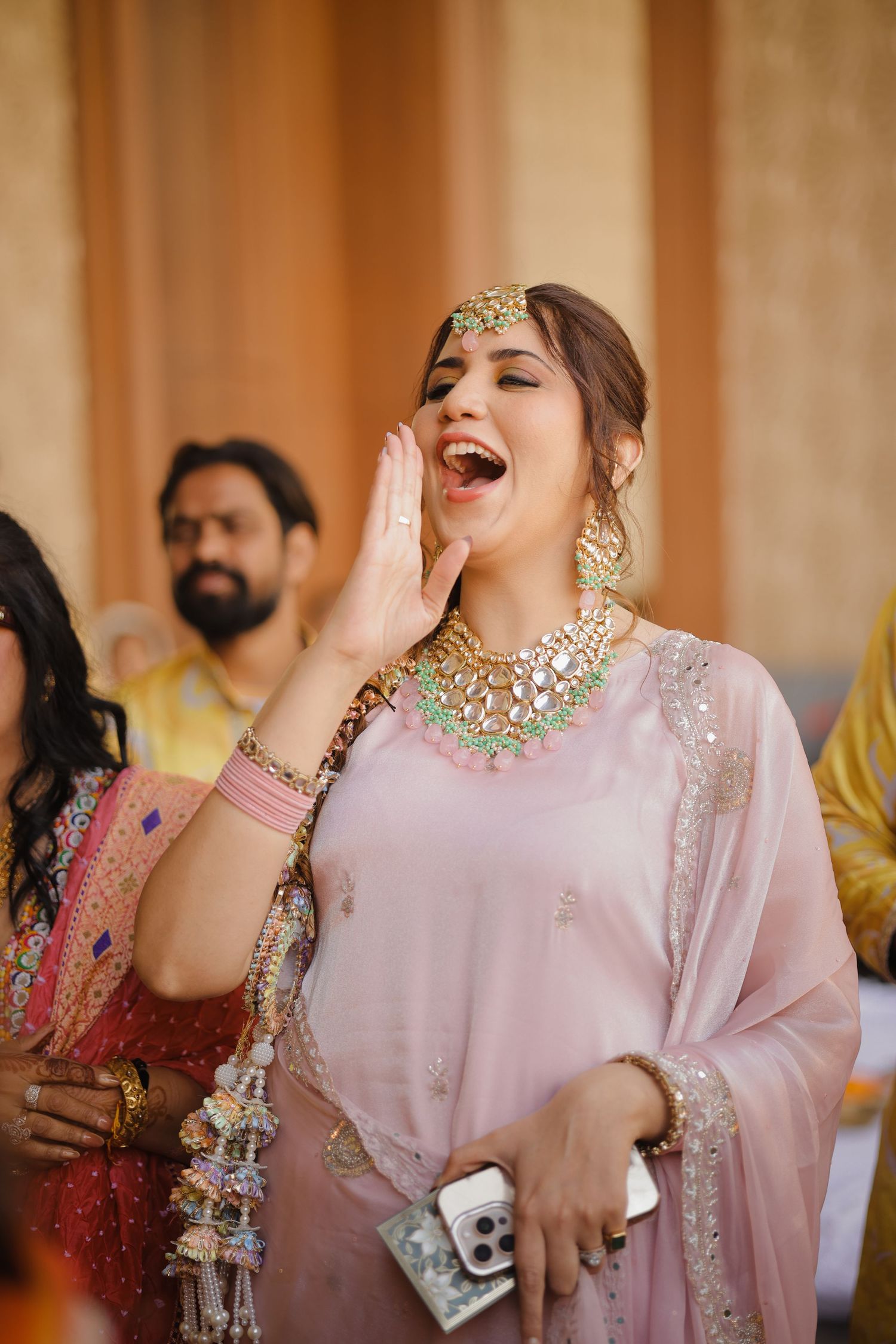
Many couples have shared their biggest wedding regret — and it's almost never "we spent too much on photography." Far more often, it's the opposite.
When you hire an untrained photographer or rely on a well-meaning friend, here's what can go wrong:
Poor lighting management: Indoor ceremonies, evening receptions, and cloudy days require advanced camera settings and professional equipment. Without it, your photos come out dark, grainy, or washed out.
Missed moments: A professional knows where to be and when. An amateur might be reloading their camera when you exchange rings or distracted by conversation when your father tears up during the vidaai.
No backup plan: Professional photographers come prepared with backup equipment. If a camera fails mid-ceremony, they switch seamlessly. An amateur has no fallback.
Limited post-processing skills: Even a decent shot needs skilled editing to look truly stunning. Professional photographers spend hours perfecting color grading, skin tones, and overall mood.
Inconsistent coverage: A professional covers your entire day with intention — from the quiet getting-ready moments to the last dance. An amateur tends to capture moments in clusters, leaving large gaps in your story.
The photos you end up with are the only tangible thing you'll have from your wedding day. Everything else — the food, the flowers, the music — will be a memory. The photographs are the memories made permanent. And when those photographs are poorly executed, no amount of sentiment can fix them after the fact.
Understanding Wedding Photography Styles
Before you book a photographer, it helps to understand the different styles available. This way, you can choose someone whose work truly matches your vision. The two most common styles in wedding photography are candid photography and traditional (or classic) photography — and many couples today opt for a thoughtful blend of both.
Neither style is better than the other. They simply serve different purposes and create different kinds of images. The right choice depends entirely on your personality, the kind of wedding you're having, and the memories you most want to hold on to.
Candid Wedding Photography: Capturing Real Emotions
Candid photography, often called documentary or photojournalistic wedding photography, is all about capturing moments as they naturally unfold — without staging or directing. The photographer moves quietly through your wedding, observing and clicking without interrupting the flow of events.
This style produces images that are raw, emotional, and deeply personal. A candid shot of you laughing with your best friend, or your partner's expression when they first see you walking down the aisle — these are the kinds of photographs that make people cry happy tears years later. There's no forced smiling, no "say cheese," and no awkward posing. Just real life, documented beautifully.
Candid photography demands a very specific skill set. The photographer needs to read the room, anticipate emotional moments before they peak, and position themselves perfectly without drawing attention. They need to work fast and quietly, often in difficult lighting conditions, and make decisive choices about which moments to prioritize. A great candid wedding photographer is part artist, part storyteller, and part invisible observer.
The results, when done well, feel less like a photo album and more like a visual diary of your wedding day — one where every image carries genuine feeling.
Impresio Studio on Candid Wedding Photography:
Candid photography works best when you're not thinking about the camera at all. The shoot essentially runs alongside your wedding — the photographer is present but unobtrusive, moving quietly through different moments of the day. It starts from the getting-ready phase, where the nervous excitement, the laughter, and the small emotional exchanges are all documented naturally. Through the ceremony and into the reception, the focus stays on real reactions — not posed smiles. For the shoot to go well, there's very little you need to do differently than you normally would. Just stay present in your moments. One thing that genuinely helps is keeping your schedule a little relaxed — rushed timelines create tension, and tension shows up in photographs. Brief your close family and friends beforehand so they're not constantly pulling people aside for their own phone photos during key moments. Keep the emotional parts of your day — the first look, the vows, the farewells — free from interruptions as much as possible. The more freely events unfold, the richer and more honest the photographs will be.
Traditional Wedding Photography: The Art of Timeless Portraits
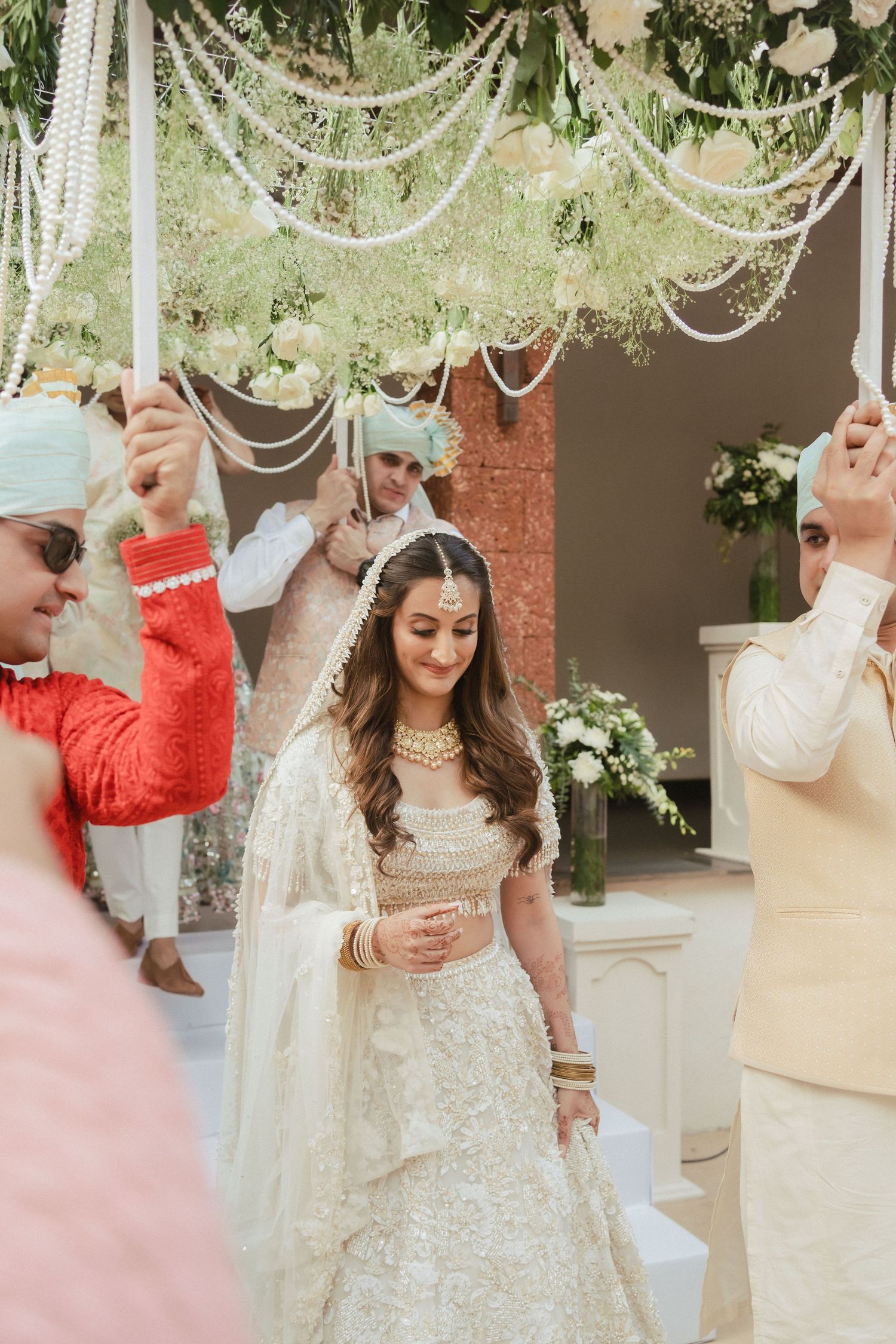
Traditional or classic wedding photography involves posed photographs — formal portraits of the couple, family groupings, wedding party shots, and carefully composed images that are elegant and structured. This style has been the backbone of wedding photography for decades, and for good reason.
These photographs serve a very specific purpose: they are the images you frame and hang on your walls, the ones you send in thank-you cards, the ones that anchor your formal wedding album. They are polished, deliberate, and timeless. Fifty years from now, a well-composed traditional portrait will still look stunning — whereas some trendy editing styles may date quickly.
Traditional photography requires strong communication and direction from the photographer. A skilled traditional photographer knows how to pose people naturally, flatter different body types, and work efficiently with large groups. They know how to arrange a family of fifteen so nobody is squinting into the sun, everyone is visible, and the composition still looks elegant. This is not as easy as it sounds — it requires experience, spatial awareness, and the ability to manage a crowd calmly and confidently.
The goal of traditional wedding photography is not stiff formality — it's controlled elegance. When done well, even the most structured posed portrait should still feel warm, genuine, and personal.
Impresio Studio on Traditional Wedding Photography:
A traditional wedding photography shoot is structured and planned, which actually makes the day run more smoothly if you go in prepared. Before the wedding, it helps to make a clear list of all the group and family combinations you want — for example, couple with the bride's parents, couple with both families together, couple with siblings, couple with the wedding party, and so on. Organize this list by family side so the photographer can work through it efficiently without people waiting around. On the wedding day, the portrait session is usually scheduled in a dedicated block — often during golden hour, roughly 30 to 45 minutes before or after sunset, when the natural light is soft, warm, and incredibly flattering. During the shoot itself, the photographer will guide you through each pose — where to place your hands, how to angle your body, where to look. You don't need to figure any of that out on your own. What helps most is staying relaxed and trusting the direction you're given. Avoid scheduling anything immediately after the portrait block so you're not watching the clock. A rushed portrait session always shows in the final images — relaxed couples always photograph better.
The Power of Combining Both Styles
Most modern couples choose a blend of candid and traditional photography — and honestly, this tends to produce the most complete and satisfying wedding album. You get the emotion and authenticity of candid shots alongside the polished, wall-worthy portraits of traditional photography. Together, they tell the full story of your wedding day — not just the feelings, but also the people, the details, and the beauty of it all.
Think of it this way: candid photography captures the experience of your wedding, while traditional photography captures the record of it. One makes you feel something every time you look at it. The other ensures that every important person and moment is accounted for with clarity and care. You need both.
The blended approach also gives your wedding album a natural rhythm. It moves from intimate, emotion-filled documentary moments into beautifully composed portraits, and then flows back into the energy of the celebrations. The variety keeps the album visually interesting and emotionally engaging from first page to last.
Impresio Studio on the Blended Approach:
When you combine both styles, the shoot flows in distinct phases throughout the day. The candid coverage typically runs continuously from the very start — getting ready, pre-ceremony rituals, the ceremony itself, and the reception celebrations. During this time, everything is observed and documented naturally without any interference. The traditional portrait sessions are planned separately and slotted into specific windows on the timeline — usually once shortly after the ceremony wraps and once again during golden hour for the couple's portraits. Before your wedding day, think about what balance feels right for you. Some couples want the album to be mostly emotional and documentary with just a handful of formal portraits. Others want a more even split. Being clear about this with your photographer before the day helps shape how the schedule is built. Also, make sure your wedding coordinator and photographer are aligned on the timeline — when candid flow and portrait sessions each have their own protected time, the whole day runs more smoothly and neither style gets shortchanged.
Why Equipment and Expertise Matter More Than You Think
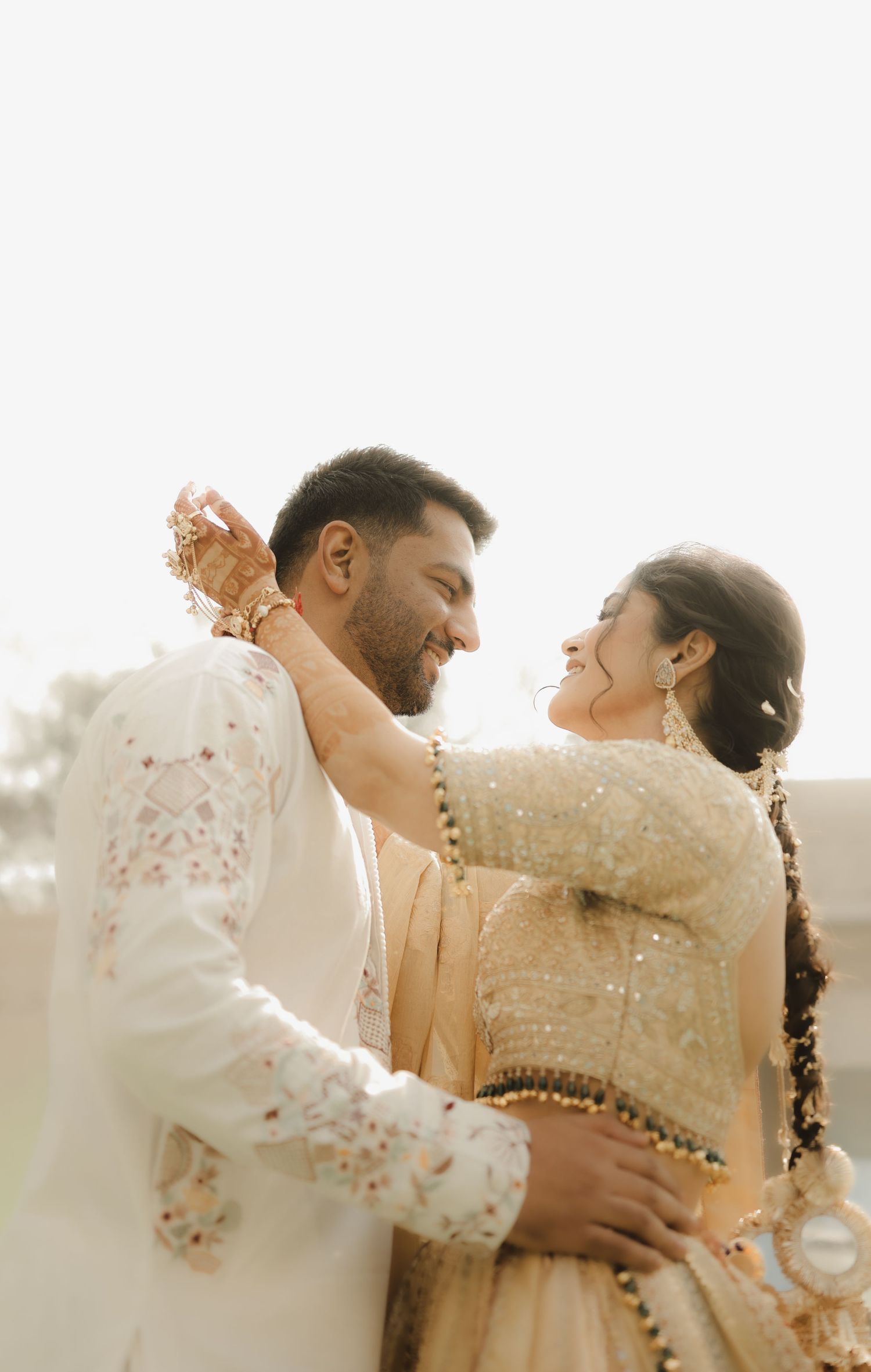
Professional photographers invest heavily in their equipment — and this investment directly impacts the quality of your photographs. A professional wedding kit typically includes multiple high-resolution camera bodies, a range of lenses suited to different situations (wide-angle for sweeping venue shots, prime lenses for sharp and beautiful portraits, telephoto lenses for capturing candid moments from across a room), off-camera lighting equipment for dark venues or harsh midday sun, and reliable backup gear for everything.
This matters because weddings are completely unpredictable environments. The light changes constantly — from the soft morning glow during getting-ready to the harsh fluorescence of a banquet hall to the darkness of an outdoor reception lit only by fairy lights. A professional has the tools and knowledge to handle each of these situations and still produce stunning results. An amateur with one camera and a basic lens simply cannot.
Beyond equipment, it's the expertise and experience that makes the real difference. An experienced wedding photographer has shot dozens or even hundreds of weddings. They've navigated power cuts at outdoor venues, managed difficult family dynamics during portrait sessions, worked around unexpected rain, and kept calm when ceremonies run hours behind schedule. They've seen it all before — which means they're never caught off guard. They adapt quickly, stay composed, and continue delivering excellent work regardless of what happens around them.
This kind of experience cannot be rushed or faked. It comes only from years of working in real wedding environments, solving real problems, and learning from every single shoot.
The Editing Process: Where the Real Magic Happens
Many people don't realize how much work goes into creating a finished wedding photograph. The click of the camera is just the beginning — in many ways, it's the easier part.
After your wedding, a professional photographer spends dozens of hours going through thousands of images. First comes the culling process — reviewing every single frame and selecting only the best ones. Out of five thousand raw images, a professional might deliver five hundred to eight hundred beautifully edited photographs. Each selected image then goes through careful editing: color correction to ensure accurate and pleasing skin tones, exposure adjustments to balance light and shadow, lens distortion correction, background cleanup where needed, and a consistent color grade that ties the entire gallery together with a cohesive visual mood.
This editing work is what separates a professional wedding gallery from a collection of snapshots. It's the difference between a photo that looks okay and a photo that looks truly beautiful — the kind you want to print large and hang in your home.
Good editing also requires restraint. Heavy-handed filters and over-processed edits might look trendy on social media today but will feel dated quickly. A skilled wedding photographer edits with a light hand, enhancing the natural beauty of each image rather than drowning it in effects.
This entire process takes time — which is why professional photographers typically deliver your final gallery within four to eight weeks of your wedding. Rushing it would compromise quality, and quality is the entire point.
What to Look for in a Wedding Photography Package
Understanding what's included in a wedding photography package helps you compare options fairly and make a decision that's right for your needs and budget. Here's what to pay attention to:
Hours of coverage: Most full-day wedding packages cover eight to twelve hours, starting from the getting-ready phase and ending at the reception. Make sure the coverage window matches your actual wedding timeline so no important moments fall outside it.
Number of photographers: Many professional packages include a second shooter, which is incredibly valuable. A second photographer can cover multiple locations simultaneously — for example, one capturing the bride getting ready while the other documents the groom. This dramatically increases the variety and completeness of your coverage.
Edited image count: Ask how many final edited images are typically delivered. A full-day wedding shoot should yield at least four hundred to six hundred well-edited photographs. Be cautious of packages that promise suspiciously low or high numbers.
Delivery format: Will you receive a downloadable online gallery, a USB drive, or both? Can you print the photographs freely, or are there restrictions? Make sure you have full access to your own memories.
Physical albums: Many couples underestimate how much they'll want a printed album. Looking at photographs on a screen is convenient, but holding a beautifully designed physical album is a completely different experience. Check whether an album is included or available as an add-on.
Pre-wedding shoots: Some packages include an engagement or pre-wedding shoot, which serves two purposes — you get beautiful photographs, and more importantly, you get comfortable in front of the camera before your actual wedding day. Couples who have done a pre-wedding shoot almost always feel more relaxed and natural during their wedding portraits.
How to Choose the Right Wedding Photographer
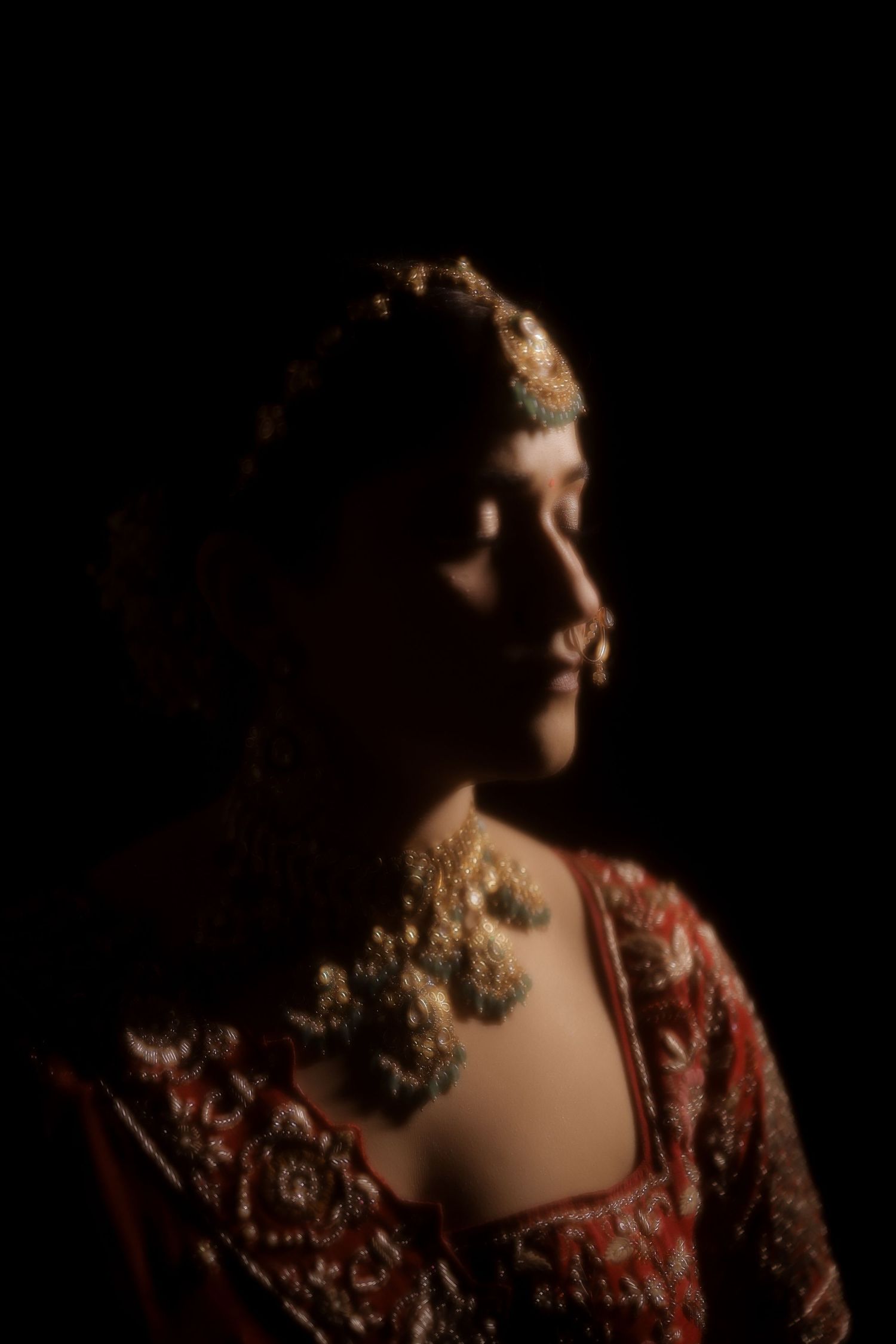
Here are some practical tips for finding and choosing the right professional for your big day:
Review their full portfolio, not just highlights. A highlight reel only shows the very best moments from across many weddings. Ask to see a complete gallery from a single wedding — from getting-ready to the last reception shot. This gives you a realistic picture of their consistent quality across an entire day, not just their peak moments.
Meet them in person or on a video call. Your photographer will be with you for eight to twelve hours on your wedding day, often in emotionally charged moments. You need to feel genuinely comfortable around them. Their personality and communication style matter just as much as their technical ability. If you feel anxious or awkward around them during a casual conversation, imagine how that will feel during your wedding portraits.
Ask about their shooting and editing style. Every photographer has a signature look — some prefer bright and airy edits, others go for moody and cinematic tones. Make sure their natural style matches what you love. Don't assume you can ask them to change their editing approach significantly after the wedding.
Understand the complete package. How many hours of coverage? Is a second shooter included? How many edited photos will you receive? What's the delivery timeline? Is a physical album available? Go through every detail before signing anything.
Ask about their backup plan. What happens if they fall seriously ill on your wedding day? A professional will have a clear, confident answer — a trusted colleague who can step in, or a backup shooter already briefed on your wedding. Vague answers here are a red flag.
Check reviews and references. Past clients are the most honest judge of a photographer's reliability, professionalism, communication, and the quality of their final delivery. Look for reviews that specifically mention whether the photographer was easy to work with, whether they delivered on time, and whether the final images matched expectations.
Book early. Good photographers book up fast — especially for peak wedding season dates. Once you find someone whose work you love and who you feel comfortable with, don't wait. Wedding dates in popular months can get booked out a year or more in advance.
Is It Really Worth the Cost?
Let's address this honestly: professional wedding photography is not cheap. In India, a skilled professional wedding photographer can cost anywhere from ₹50,000 to several lakhs, depending on their experience, reputation, location, duration of coverage, and what's included in the package.
But here's a useful way to think about it. Almost everything else in your wedding budget — the venue, the catering, the décor, the outfits, the flowers — exists purely on the day itself. The moment the wedding ends, those things are gone. The food has been eaten, the flowers have wilted, the decorations have been packed away. The experience lives only in your memory.
Your photographs, on the other hand, exist forever. They are the only physical evidence of your wedding day that will still be with you in ten, twenty, or fifty years. They are what your children will look at when they're curious about who you were on this day. They are what you'll share at anniversaries and family gatherings. They are the version of your wedding day that outlasts everything else.
When you look at it this way, photography isn't just another budget line — it's the one investment from your wedding that genuinely appreciates in value with every passing year.