What Type of Wedding Photography Do You Actually Need for Your Wedding?
If you’ve recently started planning your wedding, you’ve probably noticed something surprising. Booking a photographer is no longer as simple as choosing someone whose work you like.
Every photographer seems to use different terms. Some talk about candid photography. Others focus on cinematic storytelling. Some promote documentary wedding coverage, while others emphasise luxury editorial portraits, wedding films, reels, and content creation. After a few conversations, most couples end up asking the same question.
What do we actually need?
At Impresio Studio, this is one of the most common conversations we have with couples before they book their wedding photography. Interestingly, the confusion usually has very little to do with photographers themselves. Most couples are not struggling to choose between photographers. They are struggling to understand what all these photography styles mean and which ones will genuinely matter once the wedding is over.
The reason this feels overwhelming is because modern wedding photography has changed dramatically. A decade ago, most weddings had traditional photography, traditional videography, and a family album. Today, weddings include candid photography, cinematic films, reels, drone coverage, wedding teasers, content creators, documentary storytelling, and social-media-focused coverage. Couples are exposed to so much wedding content online that it becomes difficult to separate trends from genuine memories.
After photographing weddings across luxury hotels, destination resorts, farmhouses, banquet venues, intimate family celebrations, and large multi-day weddings, one thing has become very clear to us. Most couples start their photography journey thinking about styles. After the wedding, they think about memories.
The photographs they value most are rarely chosen because of a photography term. They become valuable because of the people, emotions, and relationships captured inside them.
This is why the goal of this guide is not to tell you which photography style is best. The goal is to help you understand what each style contributes to your wedding story so you can choose the right combination for your celebration.
Why Wedding Photography Styles Matter More Than Ever Today
Wedding photography is no longer just about documenting ceremonies. Modern couples expect much more from their wedding memories than previous generations did.
Parents often want complete documentation of rituals, family portraits, and important traditions. Couples usually want emotional photographs, cinematic portraits, and meaningful storytelling. Friends expect fun reels and shareable moments. Relatives living in different cities often experience the wedding through photographs and films before they ever see an album.
Because expectations have expanded, photography styles have evolved as well.
Traditional photography focuses on preserving family history and rituals. Candid photography focuses on emotions and genuine interactions. Cinematic photography creates dramatic visual storytelling. Documentary photography prioritises authenticity and real moments. Editorial photography adds a fashion-inspired approach, while wedding reels are designed for quick, modern storytelling.
The challenge is that many couples begin researching wedding photography through Instagram rather than through real wedding experiences. Social media is excellent for inspiration, but it often creates unrealistic expectations. A beautifully edited portrait may receive thousands of likes online, yet years later the photograph a family treasures most might be a simple image of grandparents standing together during a ceremony.
One thing Impresio Studio has consistently observed is that emotional value and social media value are often very different things. The photographs that generate the strongest reactions online are not always the photographs families revisit most frequently. Weddings move quickly, emotions unfold naturally, and some of the most meaningful moments happen away from the spotlight.
Understanding photography styles matters because it helps couples make decisions based on long-term memories rather than short-term trends.
The Biggest Myth About Wedding Photography
One of the biggest misconceptions in modern wedding planning is the belief that you must choose one photography style and ignore the others.
This idea creates unnecessary confusion because it does not reflect how weddings are actually photographed today.
Many couples begin consultations believing they must decide between candid photography and traditional photography. Others think cinematic photography replaces documentary photography. Some assume wedding reels are a completely separate service from wedding coverage. The reality is much simpler.
Most successful wedding collections combine multiple photography styles.
A family portrait requires a traditional approach. An emotional interaction between parents and children may be captured candidly. A sunset portrait session may benefit from cinematic techniques. A wedding film may combine documentary storytelling with cinematic visuals. A reel may focus on quick highlights while the main gallery focuses on preserving the complete story.
At Impresio Studio, we rarely think about weddings in terms of choosing one dominant style. Instead, we focus on understanding the wedding itself. Every wedding contains traditions, relationships, emotions, celebrations, and visual moments that deserve to be documented differently.
The strongest wedding galleries are not created by choosing one style over another. They are created by using the right style at the right moment.
Understanding this principle makes every photography decision much easier because it shifts the conversation away from trends and toward storytelling.
Traditional Wedding Photography: The Style Indian Families Still Value
Traditional wedding photography often receives less attention online because candid and cinematic photography dominate social media conversations. However, after years of documenting weddings, we can confidently say that traditional photography remains one of the most important parts of wedding coverage, especially in India.
Indian weddings are family events before they are anything else. They bring together multiple generations, relatives travelling from different cities, family traditions, cultural rituals, and relationships that may not come together in the same way again for many years.
Traditional photography exists to preserve those connections clearly.
It focuses on family portraits, group photographs, stage moments, important ceremonies, rituals, and formal documentation of the wedding. While these photographs may appear simple compared to cinematic portraits or dramatic reels, their long-term value is often underestimated.
One thing we consistently notice at Impresio Studio is that couples and families value photographs differently as time passes. Immediately after the wedding, people are naturally excited by emotional moments, cinematic visuals, and creative portraits. Several years later, many families find themselves returning repeatedly to traditional photographs.
The reason is straightforward. Traditional photographs become family history.
A photograph containing grandparents, parents, siblings, cousins, and relatives gathered together in a single frame often becomes far more meaningful with time. People grow older. Children grow up. Families change. Some relatives may no longer be present. The photographs that once seemed routine gradually become irreplaceable records of relationships and memories.
Traditional photography also plays an important role in documenting rituals. Indian weddings contain ceremonies and traditions that carry deep personal, cultural, and religious significance. Proper documentation ensures these moments are preserved clearly and completely rather than being lost among creative portraits and cinematic visuals.
This is why traditional photography should never be viewed as old-fashioned. It provides the foundation upon which every complete wedding story is built.
Candid Wedding Photography: Why Modern Couples Love It
If traditional photography preserves family history, candid photography preserves emotions.
This is the photography style that changed the Indian wedding industry more than any other over the last decade. Today, when most couples enquire about wedding photography, candid coverage is usually one of the first things they ask for. The reason is simple. Couples want photographs that feel real.
Nobody remembers their wedding as a collection of poses. People remember conversations, emotions, nervousness, excitement, laughter, and unexpected moments that happened throughout the day. Candid photography focuses on preserving those experiences exactly as they unfold.
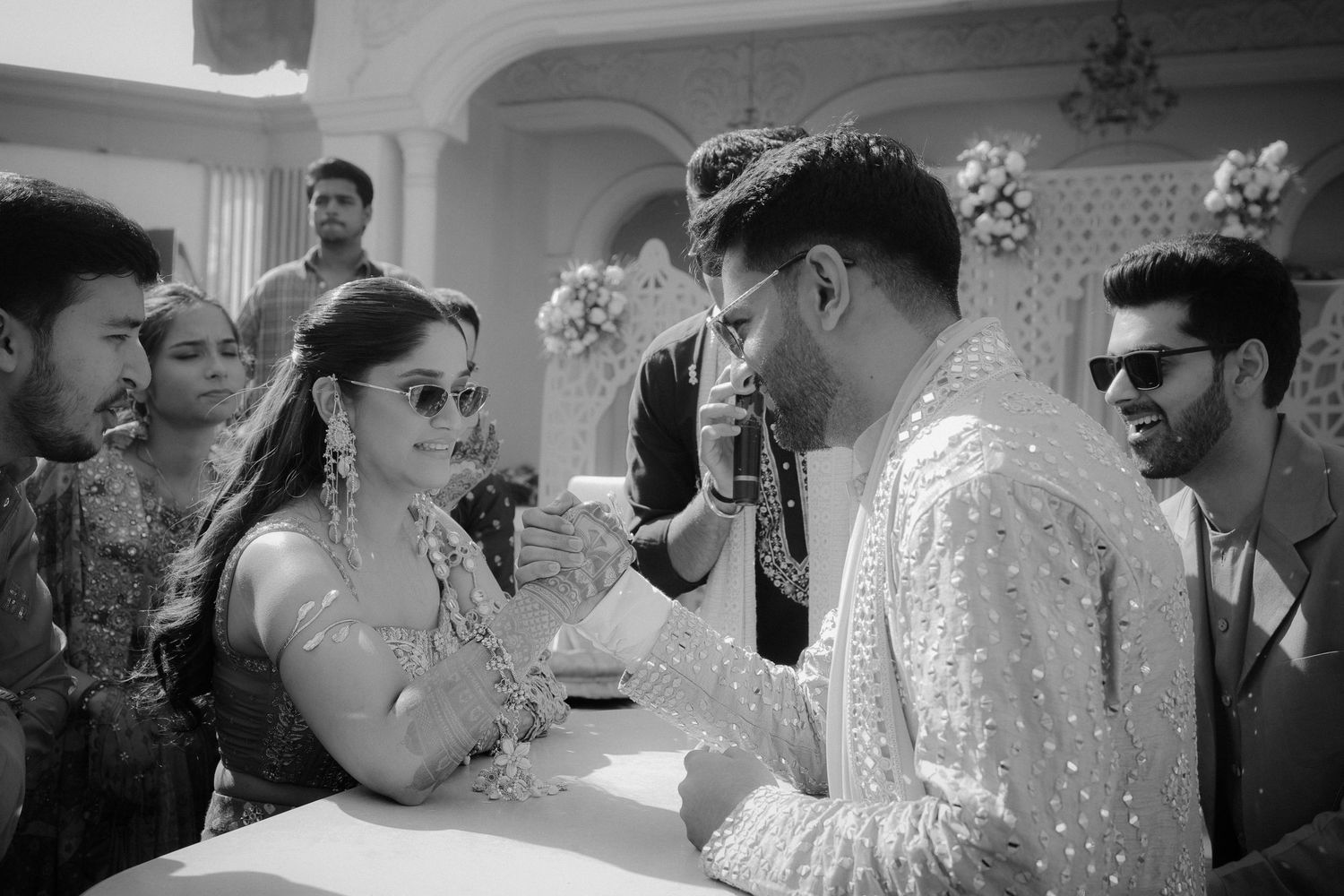
A bride laughing with her friends while getting ready. A father quietly watching wedding preparations from a distance. A grandmother reacting emotionally during a ceremony. A group of friends sharing memories before the baraat begins. These moments often last only a few seconds, yet they become some of the most meaningful memories from the entire wedding.
What many people don’t realise is that good candid photography is far more difficult than it appears.
There is a common misconception that candid photography simply means taking random photographs without asking people to pose. In reality, successful candid photography requires observation, anticipation, timing, and experience. Important moments rarely announce themselves before they happen. They appear suddenly and disappear just as quickly.
One thing we have consistently observed at Impresio Studio is that the best candid photographs are usually the result of preparation rather than luck. Understanding family dynamics, recognising emotional patterns, and anticipating key interactions often matters more than camera settings. Experienced photographers learn where meaningful moments are likely to happen and position themselves accordingly.
This is why candid photography resonates so strongly with modern couples. Instead of documenting what the wedding looked like, it helps preserve what the wedding felt like.
Who Should Prioritise Candid Photography?
Almost every modern wedding benefits from candid coverage, but it becomes especially important for couples who value genuine emotions over formal poses.
If your goal is to remember the atmosphere of the wedding, the interactions between family members, the excitement during preparations, and the emotional moments that happen naturally throughout the day, candid photography should be a major part of your coverage.
The strongest wedding galleries usually combine traditional documentation with candid storytelling. Together they create a much more complete picture of the celebration.
How many photographers and videographers do we actually need for an Indian wedding?
This is one of the most common questions couples ask once they start comparing wedding packages. The answer depends less on the number of guests and more on the scale and structure of the wedding itself.
For a small intimate wedding with one or two events, a compact team may be sufficient. However, most Indian weddings are multi-layered celebrations where several important moments happen simultaneously. While the bride is getting ready, the groom may be preparing at another location. Family members are interacting in different spaces, and ceremonies often involve multiple activities happening at the same time.
One thing Impresio Studio consistently notices is that couples often underestimate how much happens outside the main stage or ceremony area. Some of the most meaningful photographs come from preparations, family interactions, and reactions happening elsewhere. A larger photography team allows these moments to be documented without sacrificing coverage of key events.
For most multi-day Indian weddings, having multiple photographers and videographers ensures that the story is captured from different perspectives. Rather than thinking about team size as an expense, it is often more useful to think about it as coverage depth. The more complete the coverage, the more complete the final wedding story becomes.
What photographs do couples usually value most after the wedding?
This is a fascinating question because the answer is often very different from what couples expect before the wedding.
Before the wedding, most couples focus heavily on portraits, outfits, décor, venue styling, and cinematic photographs. These elements are important and often become some of the most visually impressive images in the gallery. However, after years of photographing weddings, we have consistently observed that emotional priorities change once the celebrations are over.
Months and years later, families tend to gravitate toward photographs that contain people rather than details. Parents looking at emotional moments with their children, grandparents participating in ceremonies, friends sharing genuine laughter, and relatives gathered together often become the photographs people revisit most frequently.
At Impresio Studio, one thing we repeatedly hear from clients is that many of their favourite photographs were moments they didn’t even realise were being captured. A quiet interaction before the ceremony, an unexpected reaction during a ritual, or a spontaneous family moment often carries more emotional value than a carefully planned portrait.
Beautiful portraits may attract attention initially, but authentic human moments are usually what give wedding photographs lasting significance.
How important is editing in wedding photography, and can editing make ordinary photographs look extraordinary?
Editing is an important part of modern wedding photography, but it is often misunderstood. Many people assume editing can completely transform average photographs into exceptional ones. The reality is that editing enhances a photograph; it does not replace good photography.
Strong wedding photographs begin with timing, composition, lighting, storytelling, and emotion. Editing helps refine those elements by improving colour balance, consistency, mood, and overall presentation. It ensures the entire wedding gallery feels polished and cohesive.
One thing Impresio Studio has learned over the years is that the most timeless wedding galleries are rarely the most heavily edited ones. Wedding trends change constantly. Certain colour tones and editing styles that look fashionable today may feel dated a few years later. Photographs that focus on authentic emotions and natural presentation tend to age much more gracefully.
This is why couples should evaluate photographers based on their ability to create meaningful images before editing rather than relying solely on editing styles. Good editing enhances memories. Great photography creates them.
What is the biggest mistake couples make when choosing a wedding photographer?
The biggest mistake is focusing only on what they see on social media.
Instagram, Pinterest, and wedding reels are excellent sources of inspiration, but they rarely show the complete picture. Most photographers naturally showcase their strongest images online. What social media does not reveal is how consistently a photographer performs throughout an entire wedding day.
A wedding is not judged by ten impressive photographs. It is judged by hundreds or even thousands of images captured across different lighting conditions, emotional situations, ceremonies, locations, and family interactions.
At Impresio Studio, we always encourage couples to look beyond highlight reels and ask to see complete wedding galleries. A full gallery reveals how a photographer handles real wedding situations, not just ideal moments. It shows consistency, storytelling ability, attention to detail, and the ability to capture meaningful moments throughout the entire celebration.
Another mistake is choosing a photographer based entirely on trends. Wedding trends change quickly, but wedding memories remain. The most valuable photographers are usually those who understand people, relationships, and emotions rather than simply following the latest visual style.
The best wedding photography decisions are made when couples focus on long-term memories instead of short-term trends.
Cinematic Wedding Photography: The Style Everyone Talks About but Few Fully Understand
Few photography terms have become as popular as cinematic wedding photography.
Almost every photographer mentions it. Almost every couple wants it. Social media is filled with cinematic wedding trailers, dramatic wedding portraits, and beautifully edited films. Yet many couples are still unsure about what cinematic photography actually means.
One reason for this confusion is that the word cinematic is often used very broadly within the wedding industry.
Some people use it to describe wedding films. Others use it for creative portraits. Some use it to describe a visual style. In reality, cinematic wedding photography is less about a specific technique and more about creating photographs and films that feel visually immersive and emotionally engaging.
Cinematic photography focuses heavily on atmosphere, composition, movement, lighting, and storytelling. Instead of simply documenting events, it attempts to capture them in a way that feels larger than life while still remaining authentic to the wedding itself.
At Impresio Studio, one thing we always remind couples is that cinematic does not mean artificial.
Many people assume cinematic photography involves excessive posing, dramatic effects, or unrealistic editing. The strongest cinematic photographs actually feel natural because they are built upon genuine emotions and real moments. The cinematic elements simply help elevate those moments visually.
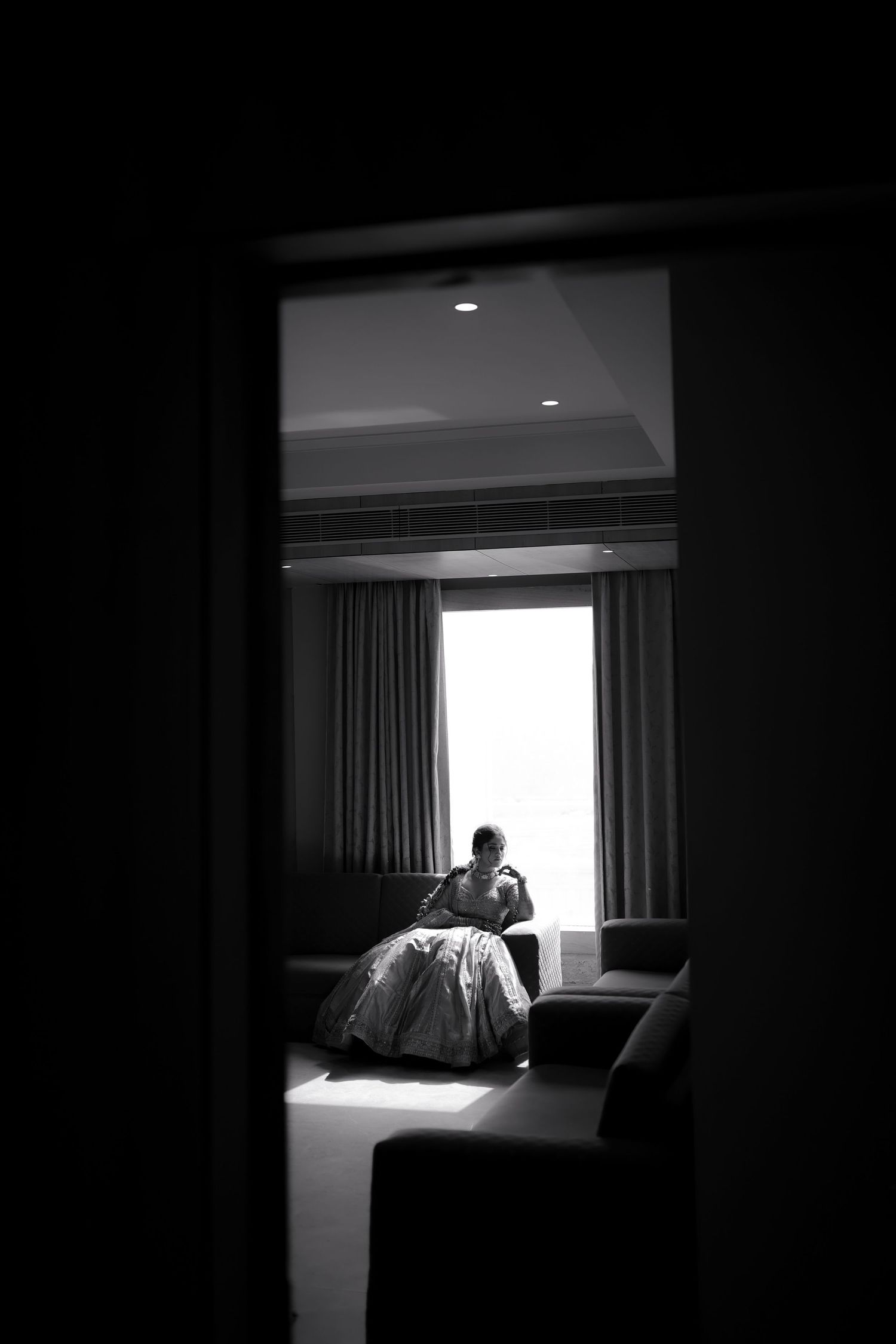
Think about a couple portrait session during sunset. The connection between the couple is real. The emotions are real. The moment is real. Cinematic photography simply uses composition, lighting, and storytelling techniques to present that moment in a more visually powerful way.
This is why cinematic photography has become so popular in modern Indian weddings. Couples want photographs and films that feel emotionally meaningful while also looking timeless and visually striking.
When Cinematic Photography Works Best
Cinematic photography works particularly well for wedding films, couple portraits, destination weddings, luxury celebrations, and events where visual storytelling plays a major role.
It complements candid and traditional photography rather than replacing them. Some moments require documentation. Some require observation. Others benefit from a more cinematic approach. The strongest wedding coverage understands when each style should be used.
Documentary Wedding Photography: The Most Authentic Style of Wedding Storytelling
Documentary wedding photography is one of the least understood styles in India, yet it is often responsible for some of the most emotionally powerful wedding photographs.
Unlike traditional photography, which involves direction, or cinematic photography, which may involve creative visual techniques, documentary photography focuses on observing the wedding exactly as it unfolds.
The photographer becomes an observer rather than a director.
There is minimal intervention, minimal posing, and minimal interruption. The goal is to document reality as honestly as possible.
This approach works particularly well during emotional interactions, family conversations, ceremonies, and moments that unfold naturally without any need for direction. Documentary photography preserves the wedding exactly as it happened rather than creating a version of how it could have looked.
After years of photographing weddings, we have noticed that documentary photographs often become more valuable with time. The reason is simple. Authentic moments age well.
A perfectly posed portrait may impress people immediately after the wedding. A genuine interaction between family members often becomes more meaningful years later because it reflects a real memory rather than a constructed one.
At Impresio Studio, documentary storytelling plays an important role in how we approach weddings because families deserve photographs that reflect the wedding honestly. Real emotions, real reactions, and real relationships create memories that remain meaningful long after wedding trends have changed.
Documentary Photography vs Candid Photography
Many couples assume these styles are identical, but there is an important difference.
Candid photography focuses on capturing natural moments.
Documentary photography focuses on telling the complete story of the wedding as truthfully as possible.
The two styles overlap frequently, which is why many photographers use both approaches throughout the same wedding.
Editorial Wedding Photography: Inspired by Fashion and Luxury Weddings
Editorial wedding photography has grown rapidly in popularity, particularly among luxury weddings and destination celebrations.
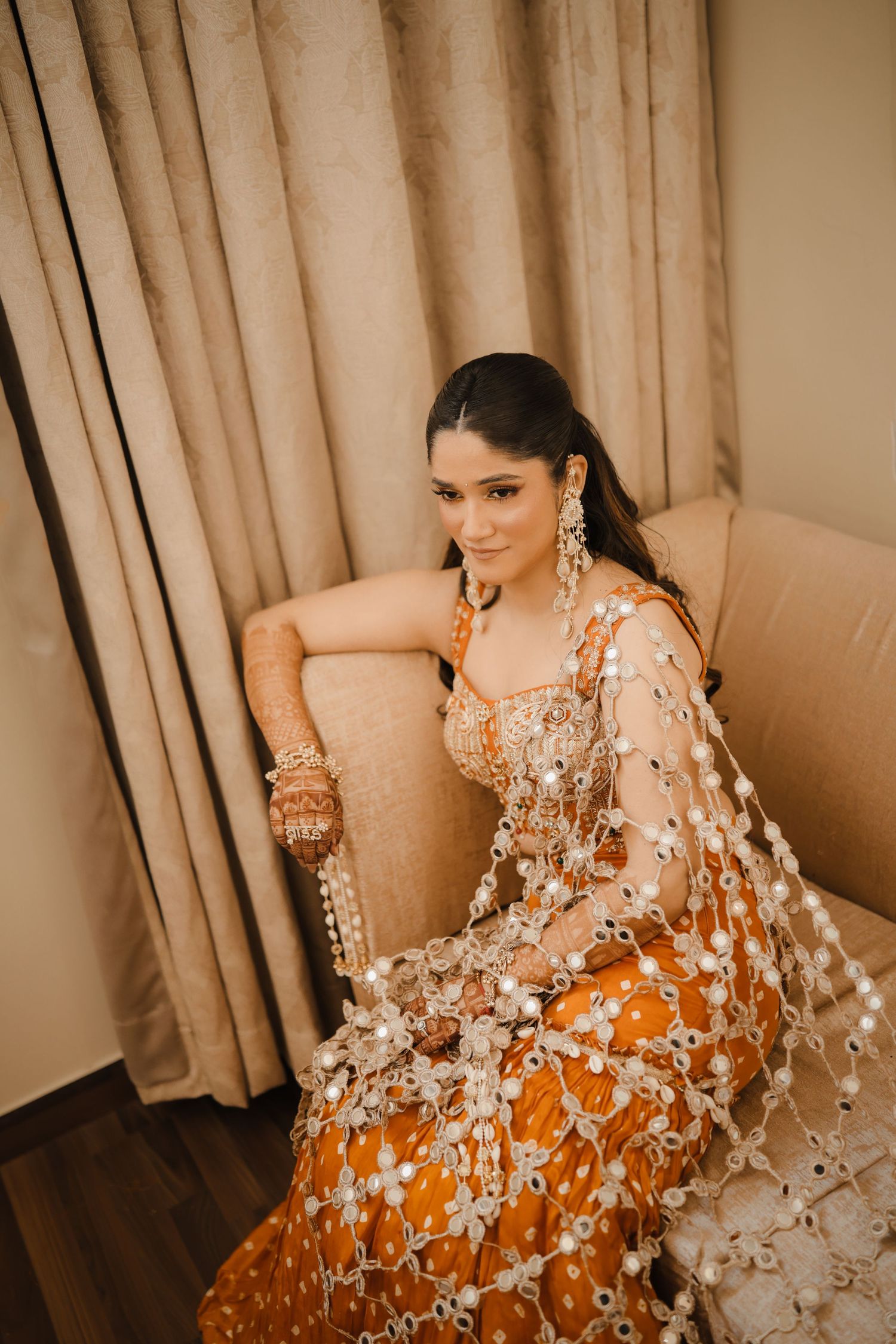
The style takes inspiration from fashion magazines, luxury campaigns, and high-end editorial shoots. The focus is on elegance, styling, composition, and creating photographs that feel polished and sophisticated.
Unlike documentary photography, editorial photography involves more direction. The photographer actively guides posing, positioning, and composition to create refined visual results.
Many couples discover editorial photography through celebrity weddings, luxury wedding features, and premium wedding publications. The images often feel glamorous, timeless, and highly curated.
At Impresio Studio, we have found that editorial photography works best when used selectively. Weddings are ultimately emotional experiences, and emotional storytelling should remain the foundation of the coverage. Editorial portraits add sophistication and visual impact, but they work best when balanced with candid and documentary moments.
The strongest wedding galleries often contain a mix of authentic emotions and beautifully crafted portraits. This balance allows couples to enjoy both storytelling and visual elegance without sacrificing either.
Why Parents and Couples Usually Prefer Different Photography Styles
One of the most interesting things about Indian weddings is that they are rarely planned by just one person.
Every wedding involves multiple generations, and each generation views photography differently.
Couples often arrive with Pinterest boards, saved Instagram posts, cinematic wedding films, and candid photography inspiration. They want emotional moments, beautiful portraits, creative storytelling, and visually striking wedding films.
Parents usually have a different perspective.
They want important rituals documented properly. They want family portraits. They want photographs that include relatives travelling from different cities. They want assurance that nobody important will be missed.
Neither perspective is wrong.
Both are completely valid.
After photographing hundreds of weddings, one thing we have learned is that families often realise the importance of each other’s priorities only after the wedding is over.
Couples who initially focus heavily on cinematic and candid photography often become grateful for family portraits later. Parents who initially prioritise formal documentation often become emotionally attached to candid moments they never expected to value so much.
This is one reason the strongest wedding coverage rarely favours one perspective over another.
A complete wedding story should include both.
It should preserve family history while also preserving emotions.
It should document rituals while also capturing spontaneous moments.
It should create beautiful portraits while also recording authentic interactions.
At Impresio Studio, our goal is never to choose between family expectations and couple expectations. The goal is to balance them in a way that reflects the entire wedding experience.
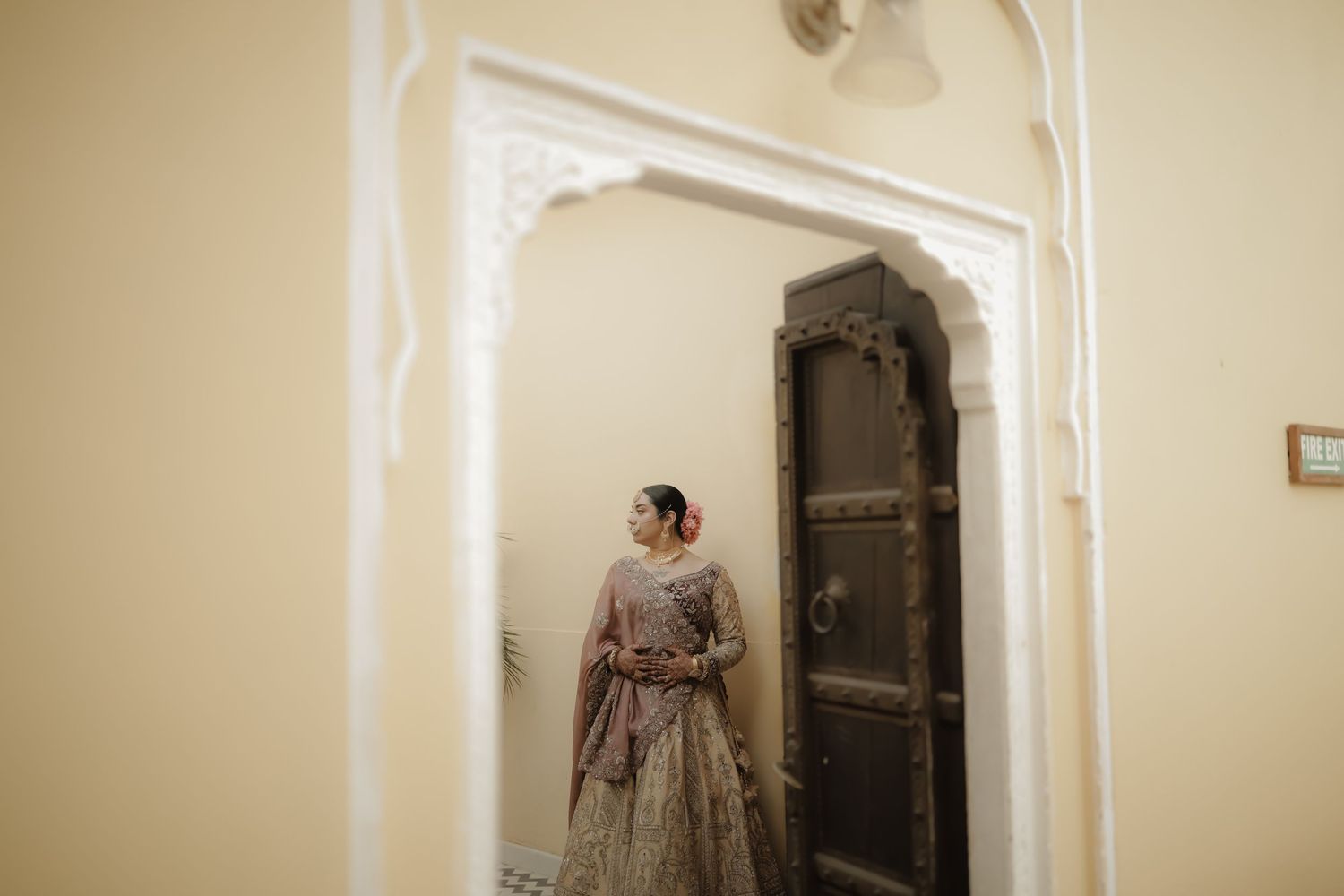
How Photography Styles Affect Your Final Album, Film, and Wedding Memories
Many couples focus heavily on photography styles during the booking stage but rarely think about how those styles affect the final deliverables they receive.
This is an important consideration because different photography styles influence wedding albums, films, and galleries in very different ways.
Traditional photography usually contributes heavily to wedding albums. Family portraits, ritual photographs, and group photographs create structure within the album and ensure important people and events are properly documented.
Candid photography often becomes the emotional heart of the gallery. These are the photographs that capture reactions, interactions, and moments that happened naturally throughout the wedding. They help couples relive the atmosphere of the celebration rather than simply remember the sequence of events.
Cinematic photography often has the strongest impact on wedding films and couple portraits. The visual storytelling, creative compositions, and dramatic imagery help create films that feel immersive and memorable.
Documentary photography contributes authenticity. It ensures that the wedding story feels honest rather than overly produced.
Editorial photography contributes elegance. It creates polished portraits that often become favourites for framing, sharing, and displaying.
Understanding these differences helps couples appreciate why multiple styles are often necessary. Every style contributes something unique to the final collection of memories.
The goal is not to decide which style is superior. The goal is to ensure the final gallery feels complete.
Why Parents and Couples Usually Prefer Different Photography Styles
One of the most interesting things about Indian weddings is that they are rarely planned by just one person
.
Every wedding involves multiple generations, and each generation views photography differently.
Couples often arrive with Pinterest boards, saved Instagram posts, cinematic wedding films, and candid photography inspiration. They want emotional moments, beautiful portraits, creative storytelling, and visually striking wedding films.
Parents usually have a different perspective.
They want important rituals documented properly. They want family portraits. They want photographs that include relatives travelling from different cities. They want assurance that nobody important will be missed.
Neither perspective is wrong.
Both are completely valid.
After photographing hundreds of weddings, one thing we have learned is that families often realise the importance of each other’s priorities only after the wedding is over.
Couples who initially focus heavily on cinematic and candid photography often become grateful for family portraits later. Parents who initially prioritise formal documentation often become emotionally attached to candid moments they never expected to value so much.
This is one reason the strongest wedding coverage rarely favours one perspective over another.
A complete wedding story should include both.
It should preserve family history while also preserving emotions.
It should document rituals while also capturing spontaneous moments.
It should create beautiful portraits while also recording authentic interactions.
At Impresio Studio, our goal is never to choose between family expectations and couple expectations. The goal is to balance them in a way that reflects the entire wedding experience.
How Photography Styles Affect Your Final Album, Film, and Wedding Memories
Many couples focus heavily on photography styles during the booking stage but rarely think about how those styles affect the final deliverables they receive.
This is an important consideration because different photography styles influence wedding albums, films, and galleries in very different ways.
Traditional photography usually contributes heavily to wedding albums. Family portraits, ritual photographs, and group photographs create structure within the album and ensure important people and events are properly documented.
Candid photography often becomes the emotional heart of the gallery. These are the photographs that capture reactions, interactions, and moments that happened naturally throughout the wedding. They help couples relive the atmosphere of the celebration rather than simply remember the sequence of events.
Cinematic photography often has the strongest impact on wedding films and couple portraits. The visual storytelling, creative compositions, and dramatic imagery help create films that feel immersive and memorable.
Documentary photography contributes authenticity. It ensures that the wedding story feels honest rather than overly produced.
Editorial photography contributes elegance. It creates polished portraits that often become favourites for framing, sharing, and displaying.
Understanding these differences helps couples appreciate why multiple styles are often necessary. Every style contributes something unique to the final collection of memories.
The goal is not to decide which style is superior. The goal is to ensure the final gallery feels complete.
Which Photography Style Works Best for Different Types of Indian Weddings?
One of the most practical ways to think about wedding photography styles is to consider the type of wedding you are planning.
Different weddings have different priorities, and those priorities often influence which styles should receive greater emphasis.
For intimate weddings with close family and friends, candid and documentary photography often play a larger role because emotional interactions become the centre of the celebration. Smaller weddings usually create more opportunities for meaningful moments and personal storytelling.
Large traditional weddings typically benefit from a balanced combination of traditional and candid photography. With multiple ceremonies, large guest lists, and extensive family involvement, proper documentation becomes just as important as emotional storytelling.
Destination weddings often benefit from cinematic photography because the location becomes part of the visual story. Beautiful venues, landscapes, architecture, and travel experiences naturally lend themselves to cinematic imagery and films.
Luxury weddings frequently incorporate editorial photography because the styling, décor, fashion, and overall visual experience become important elements of the wedding story.
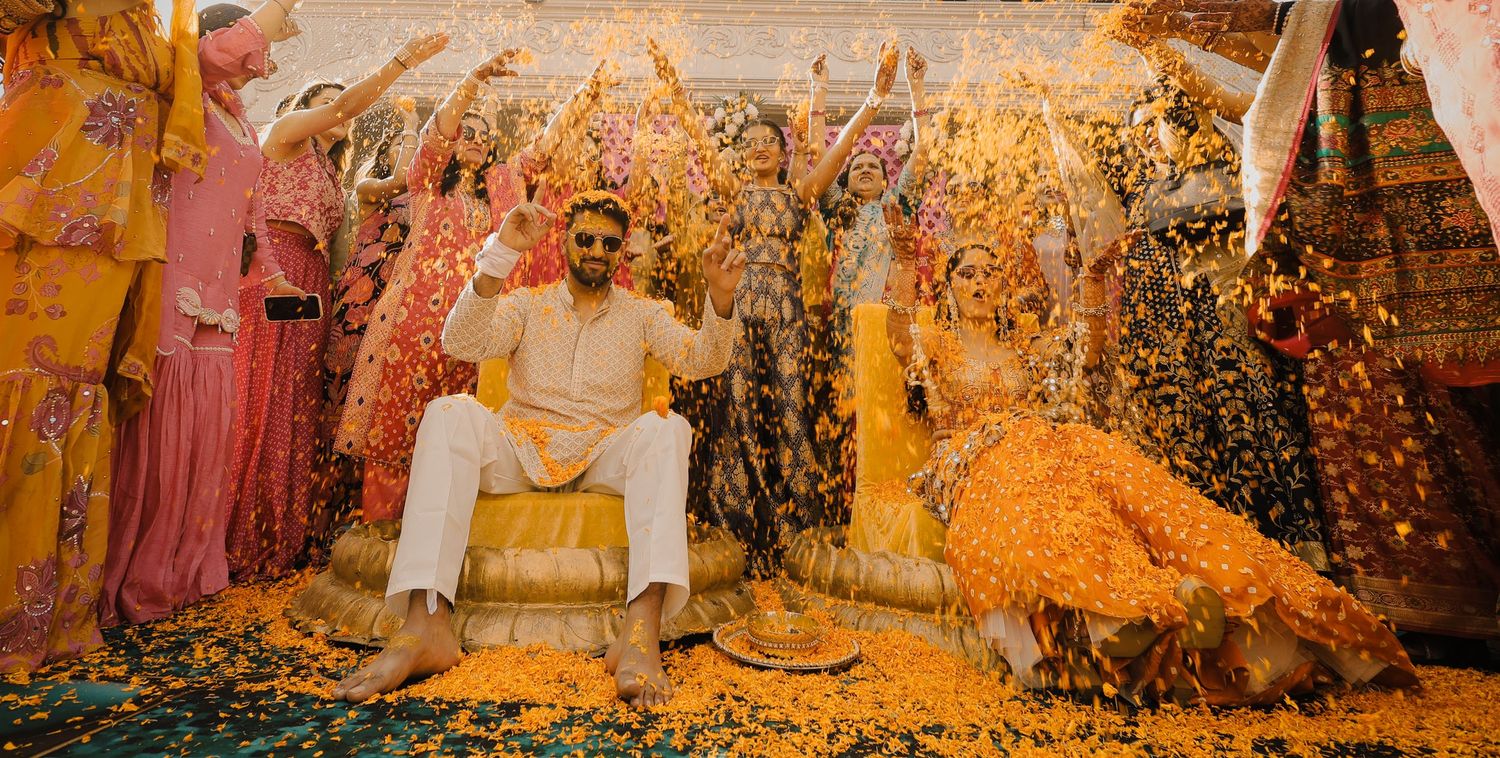
Multi-day weddings require flexibility more than anything else. Different events often benefit from different approaches. A haldi ceremony may feel best documented candidly, while a reception may benefit from cinematic portraits and editorial imagery.
At Impresio Studio, we have found that no wedding type relies entirely on a single style. Every celebration contains multiple layers, and successful coverage adapts to those layers rather than forcing one approach onto every situation.
What We Have Learned After Photographing Hundreds of Indian Weddings
After years of wedding photography, certain patterns appear again and again regardless of the city, venue, budget, or scale of the celebration.
One thing we consistently observe is that couples often think they know which photographs will matter most before the wedding. In reality, their favourites after the wedding are often completely different.
Many couples invest enormous energy into planning décor, outfits, portraits, and visual details. These elements absolutely matter and contribute to beautiful photographs. However, when families revisit wedding galleries months or years later, their attention usually shifts toward people.
They stop talking about centrepieces and start talking about grandparents.
They stop focusing on décor and start focusing on family interactions.
They stop discussing photography styles and start remembering moments.
This is one reason we believe wedding photography should always prioritise human stories over trends.
Trends change constantly.
Human emotions do not.
Another thing we have learned is that the photographs people value most are rarely the photographs they planned most carefully. The most meaningful images often emerge from unexpected moments. A parent reacting quietly during a ceremony. Friends sharing memories during preparations. Family members meeting after years apart.
These moments cannot be scheduled.
They can only be recognised and preserved.
That recognition is one of the most important responsibilities a wedding photographer carries.
How Impresio Studio Approaches Wedding Storytelling
By the time couples reach this stage of planning, they often ask us a practical question.
“If every photography style has its own strengths, how do you actually approach a wedding?”
The answer comes from something years of wedding experience have taught us.
Real weddings do not happen in photography categories.
Nobody walks into a haldi ceremony and says, “This is now the candid photography section.” Nobody enters a reception and suddenly switches into cinematic mode. Weddings are emotional, unpredictable, fast-moving experiences where multiple things happen at the same time.
That is why we do not approach weddings by deciding whether we are shooting candid photography, documentary photography, or cinematic photography. We approach weddings by asking a much simpler question.
What is happening right now, and what is the best way to preserve it?
If grandparents and family members have gathered together after many years, traditional photography becomes important because those relationships deserve clear documentation. If parents are sharing an emotional moment before the ceremony begins, a candid approach often preserves that experience most honestly. If the couple is spending a few quiet moments together during sunset, cinematic storytelling may help create images that reflect both the emotion and atmosphere of that moment.
One thing Impresio Studio consistently notices is that families do not remember weddings in separate categories. They remember people, conversations, emotions, celebrations, and experiences. Our job is to preserve all of those elements in a way that feels complete rather than fragmented.
This is why balance has become such an important part of our philosophy. Too much focus on portraits can make a wedding gallery feel disconnected from reality. Too much focus on documentation can make it feel emotionally flat. Too much focus on trends can make photographs feel outdated surprisingly quickly.
The strongest wedding stories combine authenticity, emotion, family history, visual beauty, and meaningful moments into a single collection of memories.
That is the approach we have found works consistently across destination weddings, luxury celebrations, intimate family weddings, and large traditional Indian weddings alike.
So What Should You Actually Choose?
After reading about different photography styles, many couples still arrive at the same question.
Which one should we choose?
The answer depends less on photography and more on the type of wedding experience you want to preserve.
If family traditions, rituals, and group photographs are important to you, traditional photography should remain a significant part of your coverage. These photographs often become more valuable over time because they preserve relationships and family history.
If you want to remember emotions, interactions, and natural moments, candid photography should play a major role. These photographs help couples relive the atmosphere of the wedding rather than simply remember what happened.
If visual storytelling, wedding films, and dramatic portraits matter to you, cinematic photography adds depth and visual impact to the final collection.
If authenticity is your highest priority, documentary photography helps preserve the wedding exactly as it unfolded.
If social media sharing is important, wedding reels and content creation can provide quick highlights that friends and family can enjoy immediately.
However, after photographing hundreds of weddings, our recommendation remains remarkably consistent.
Most couples do not need to choose one style.
They need the right combination.
A complete wedding story usually includes traditional documentation, candid emotions, cinematic storytelling, and authentic moments working together.
The goal is not to create the trendiest wedding gallery.
The goal is to create a collection of memories that still feels meaningful many years from now.
The Best Wedding Photography Style Is the One That Preserves What Matters Most
When couples first begin researching wedding photography, they often focus on styles.
Candid or traditional.
Cinematic or documentary.
Wedding films or wedding reels.
These are understandable questions because wedding photography terminology can make the decision feel more complicated than it actually is.
After years of photographing weddings, we have come to believe that the most important question is not which style is best.
The more important question is what you want to remember.
Do you want to remember your family’s reactions during important ceremonies?
Do you want to remember the excitement during preparations?
Do you want to remember grandparents, relatives, and friends gathered together in one place?
Do you want to remember how the wedding felt rather than simply how it looked?
Every photography style contributes something different to those memories.
Traditional photography preserves family history.
Candid photography preserves emotions.
Cinematic photography preserves atmosphere.
Documentary photography preserves authenticity.
Wedding films preserve movement and sound.
Reels preserve the energy and excitement of the celebration.
The strongest wedding stories are rarely built around one style alone. They are created when different approaches work together to preserve every important layer of the experience.
Years from now, very few people will remember which photography style was used for a particular photograph.
What they will remember is the person in the photograph, the emotion attached to that moment, and the memory it helps bring back.
That is ultimately what great wedding photography is designed to do.