Planning a wedding involves hundreds of decisions, and one of the most important — and honestly, one of the most overlooked — is choosing the right photography style. You will spend a significant part of your wedding budget on a photographer, and the photos they give you are the only thing that stays long after the flowers have wilted, the food has been eaten, and the decorations have come down.
So when you start looking for a photographer and hear the words candid and traditional, it is natural to wonder: what do these actually mean? What kind of photos do they produce? Which one is right for my wedding? Do I need to choose just one?
These are exactly the right questions to ask. In this blog, we are going to answer all of them clearly and simply. At Impresio Studio, we believe that an informed couple always ends up with a better wedding album — so before we talk about anything else, we want to make sure you fully understand both styles and what each one means for your wedding day.
What Is Traditional Wedding Photography?
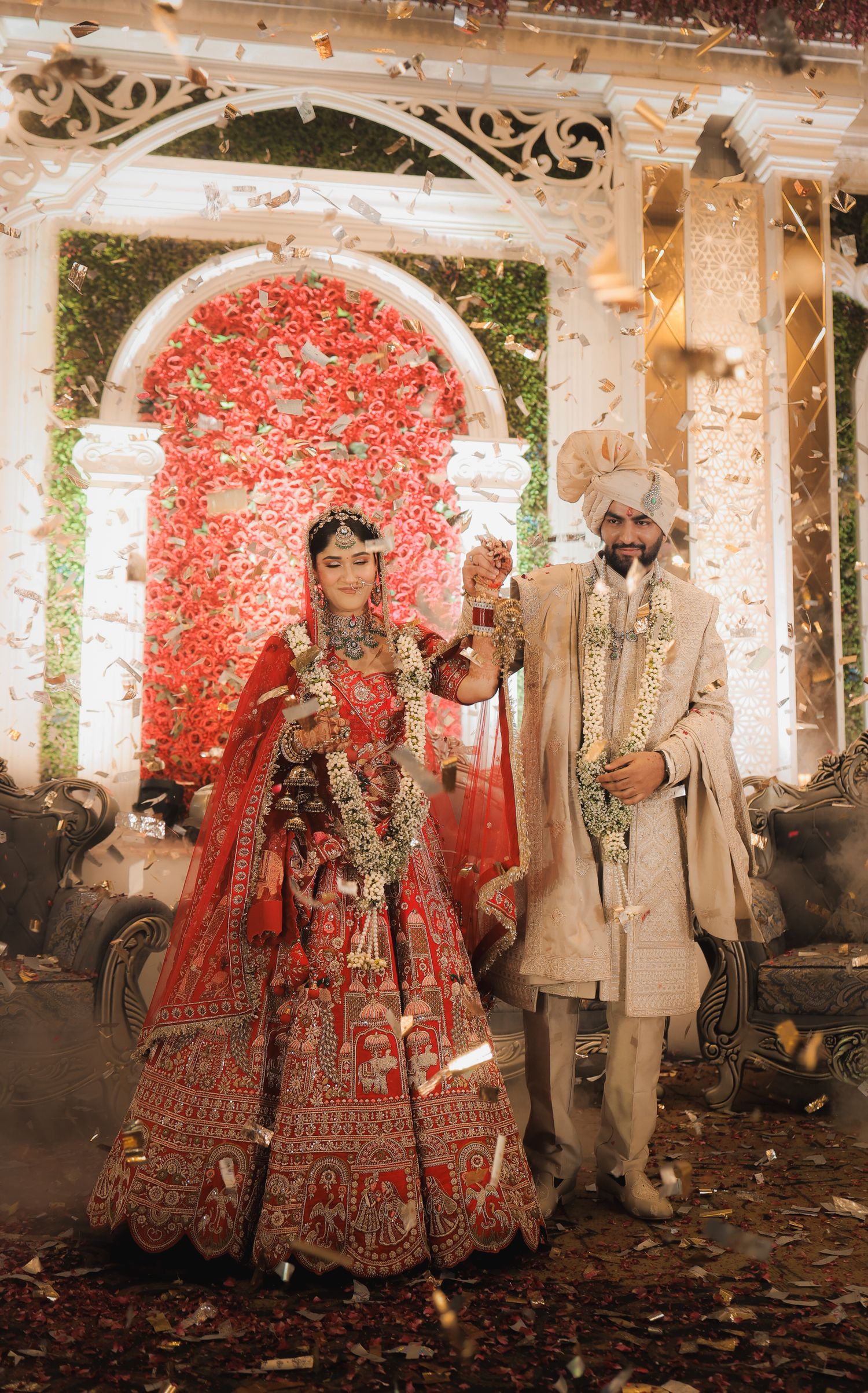
Traditional wedding photography is the classic, posed style that has been part of weddings for generations. In this style, the photographer takes complete control of the shot. They decide where people stand, how they should position themselves, where to look, and when to smile. Nothing is left to chance, every photograph is planned, set up, and taken with full intention.
Think of it as a formal portrait session happening within your wedding. The photographer arranges the scene, adjusts the lighting, places people in the right positions, and then takes the photograph. The result is always clean, well-lit, properly composed, and ready for printing or framing.
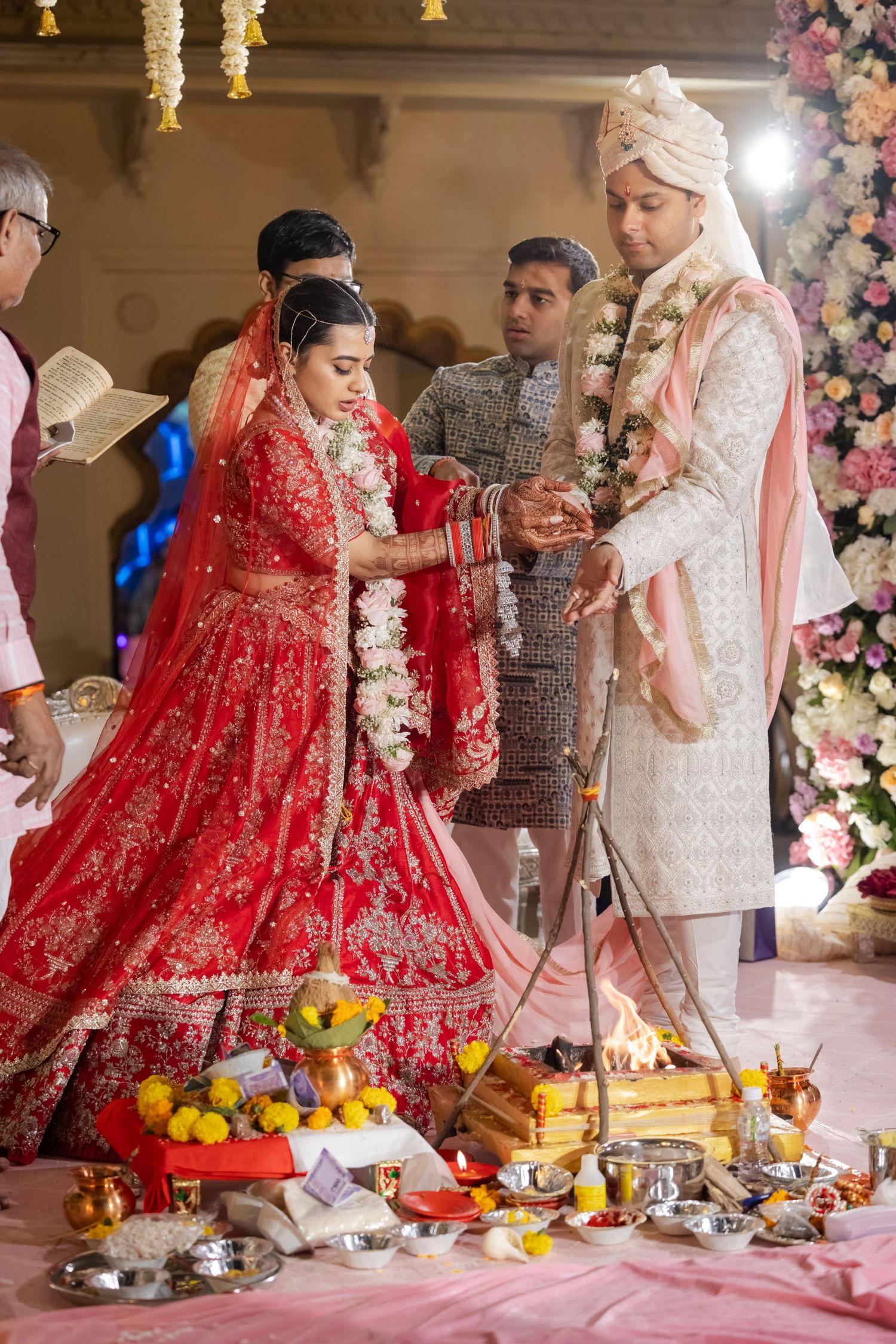
Common traditional shots include the formal couple portrait at the mandap, the complete family group photograph, individual family portraits with the bride and groom, the garland exchange with both people facing the camera, and close-ups of the sindoor or mangalsutra ceremony. These are the photographs your parents will hang on the wall. They are the ones relatives will ask for copies of. They are the photos that represent your wedding officially and formally, and they hold their beauty for decades.
What Exactly Happens During a Traditional Photography Shoot?
At Impresio Studio, we prepare a detailed shot list before your wedding covering every group and every pose. On the day, we set up professional lighting at the chosen spot before the ceremony ends so no time is wasted. We cover three things — the formal couple portrait, the complete family group sequence, and ritual close-ups like the sindoor and mangalsutra. We guide you through natural, comfortable positions so nothing feels forced. Because of this preparation, the entire traditional session is done in under 35 minutes without anyone feeling rushed or pulled away from the celebration.
What Is Candid Wedding Photography?
Candid wedding photography is the complete opposite of traditional. The photographer does not direct anyone. There is no posing, no arranging, no asking people to look at the camera. Instead, the photographer moves quietly through your wedding like a silent observer — watching everything, anticipating moments, and capturing them exactly as they happen without anyone knowing a photo is being taken.
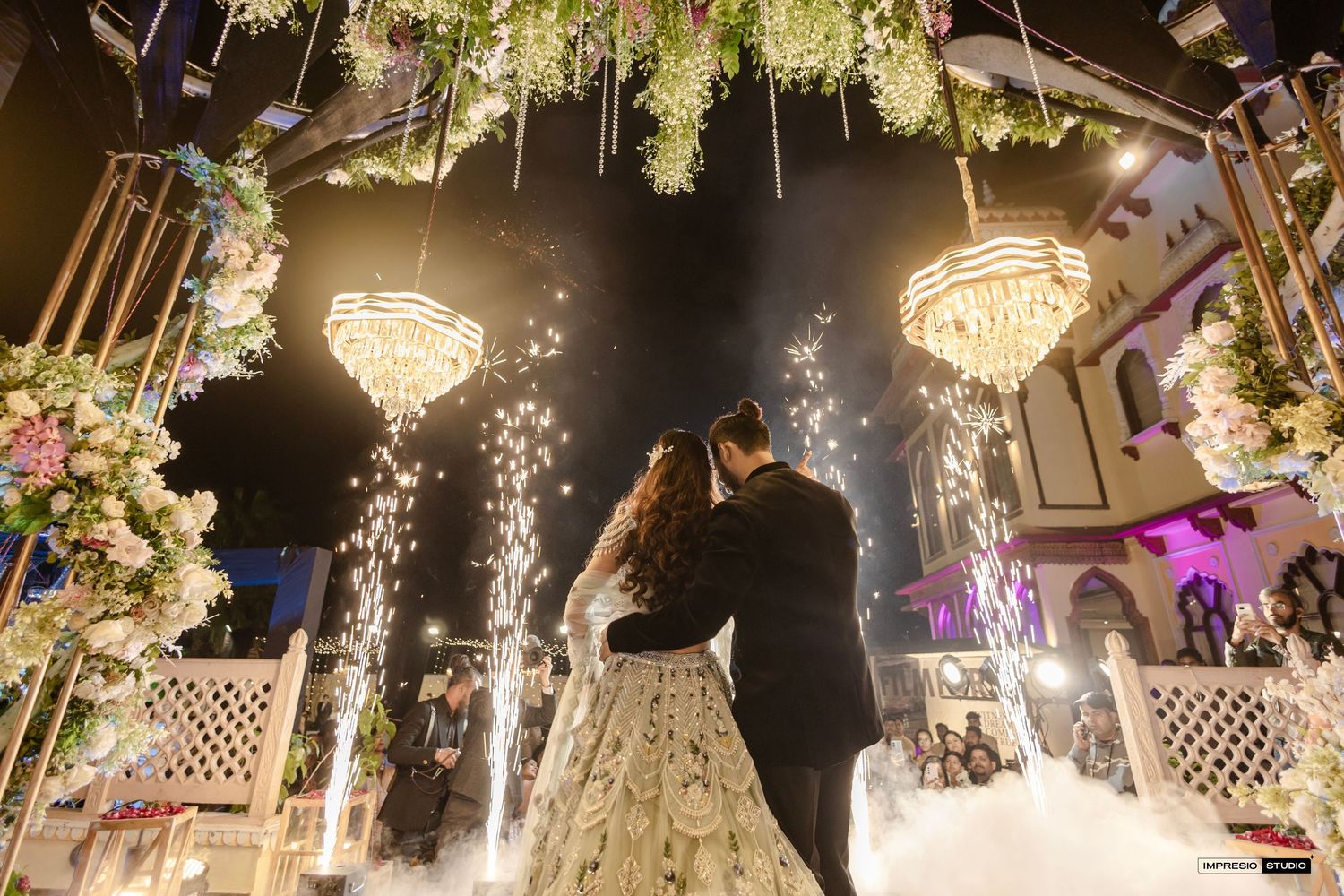
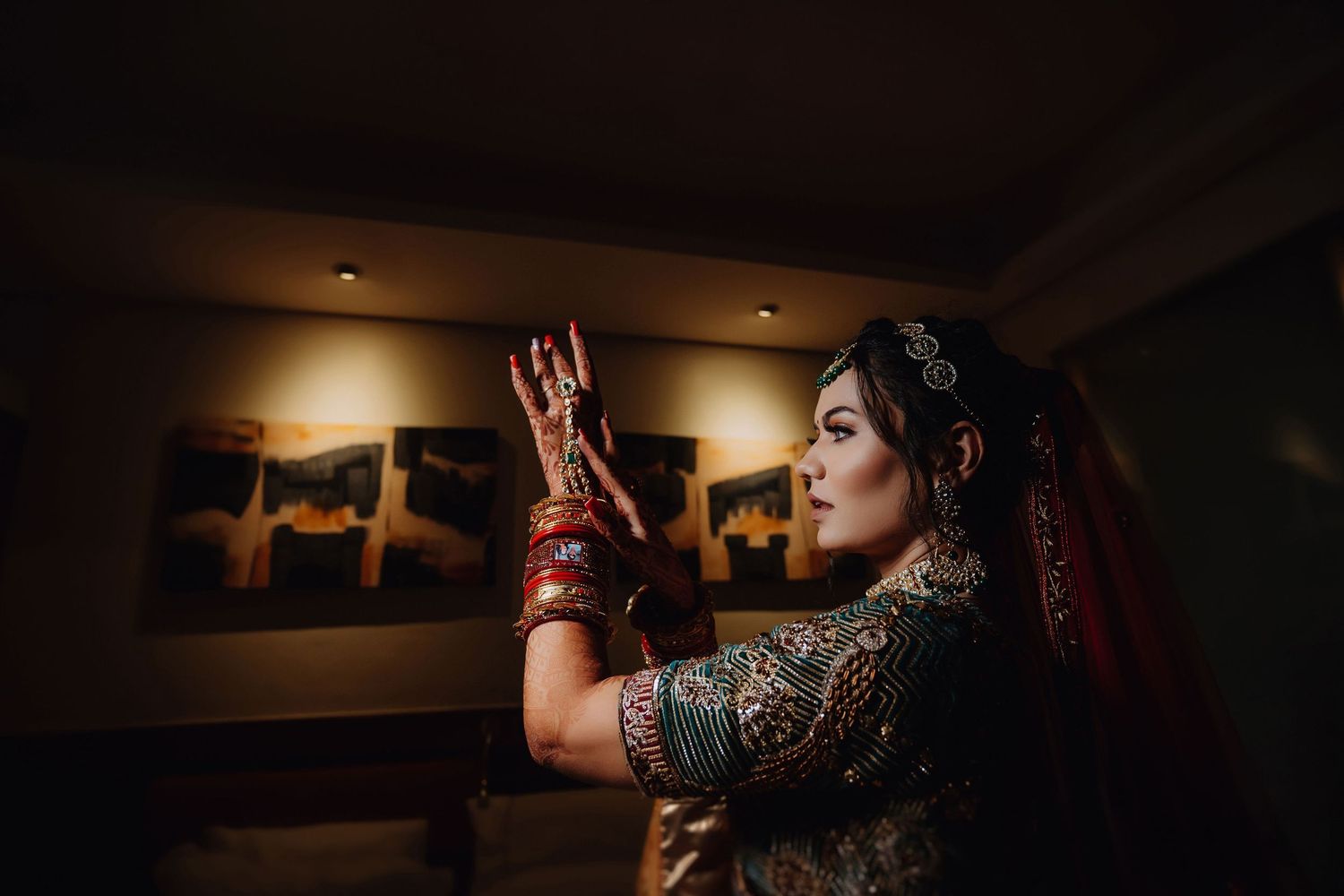
The purpose of candid photography is not to make you look perfect. Its purpose is to make you feel something when you look at the photo. A candid image captures emotion, energy, and story. It shows the groom's face the exact second he sees the bride walking towards him — not a posed smile, but a real expression of love and awe. It captures the bride's mother quietly wiping a tear during the pheras. It catches two cousins whispering to each other at the back of the hall. These are the photos you never knew existed until you open your album for the first time, and they are almost always the ones that make you cry.
Candid photography covers the entire wedding day as a story. It begins with the getting ready session in the morning, moves through the ceremony and rituals, continues through the reception and dancing, and ends with the vidaai. Every chapter is documented through real, unscripted moments that together form a complete and deeply emotional record of your day.
What Exactly Happens During a Candid Photography Shoot?
At Impresio Studio, our candid photographers study your wedding schedule in advance and position themselves before a moment happens, not after. For the vidaai, our photographer is already near the exit five minutes before it begins. We use mirrorless cameras with silent shutters so no one is alerted during ceremonies. Fast prime lenses let us shoot in low indoor light without flash, keeping the mood undisturbed. We always start with the morning getting ready session because some of the most powerful images are of a mother adjusting her daughter's dupatta, the bride's first look in the mirror comes from that quiet one hour before the wedding begins.
The Key Differences Between the Two Styles
The simplest way to understand the difference is this — traditional photography captures what your wedding looked like, and candid photography captures what your wedding felt like. Both are true. Both are important. And both require completely different skills from the photographer.
In traditional photography, the photographer is a director — they control everything in the frame. In candid photography, the photographer is a witness — they observe life and capture it honestly. A great traditional photographer knows how to pose people naturally, work with professional lighting, and deliver consistent, polished results. A great candid photographer knows how to read a room, anticipate emotion, move invisibly through a crowd, and make split-second decisions about framing and exposure.
The equipment is different too. Traditional photography typically uses wider lenses, off-camera flash, and sometimes tripods. Candid photography relies on telephoto lenses, handheld cameras, and available light. Even the editing differs — traditional photos are edited to be clean, bright, and neutral. Candid photos are often edited with more warmth, mood, and cinematic colour tones to enhance the emotion in the image.
How Does the Same Moment Look in Both Styles?
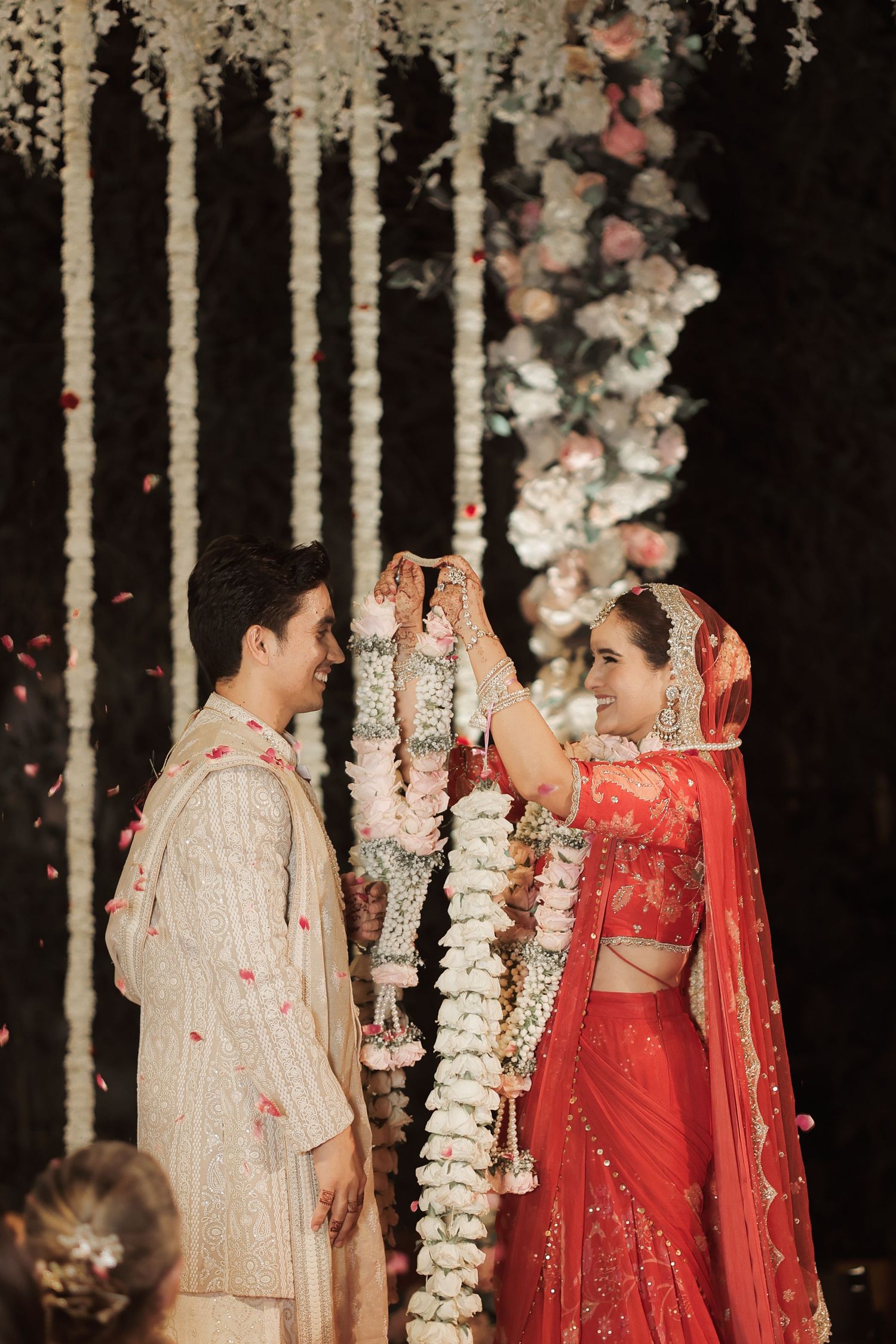
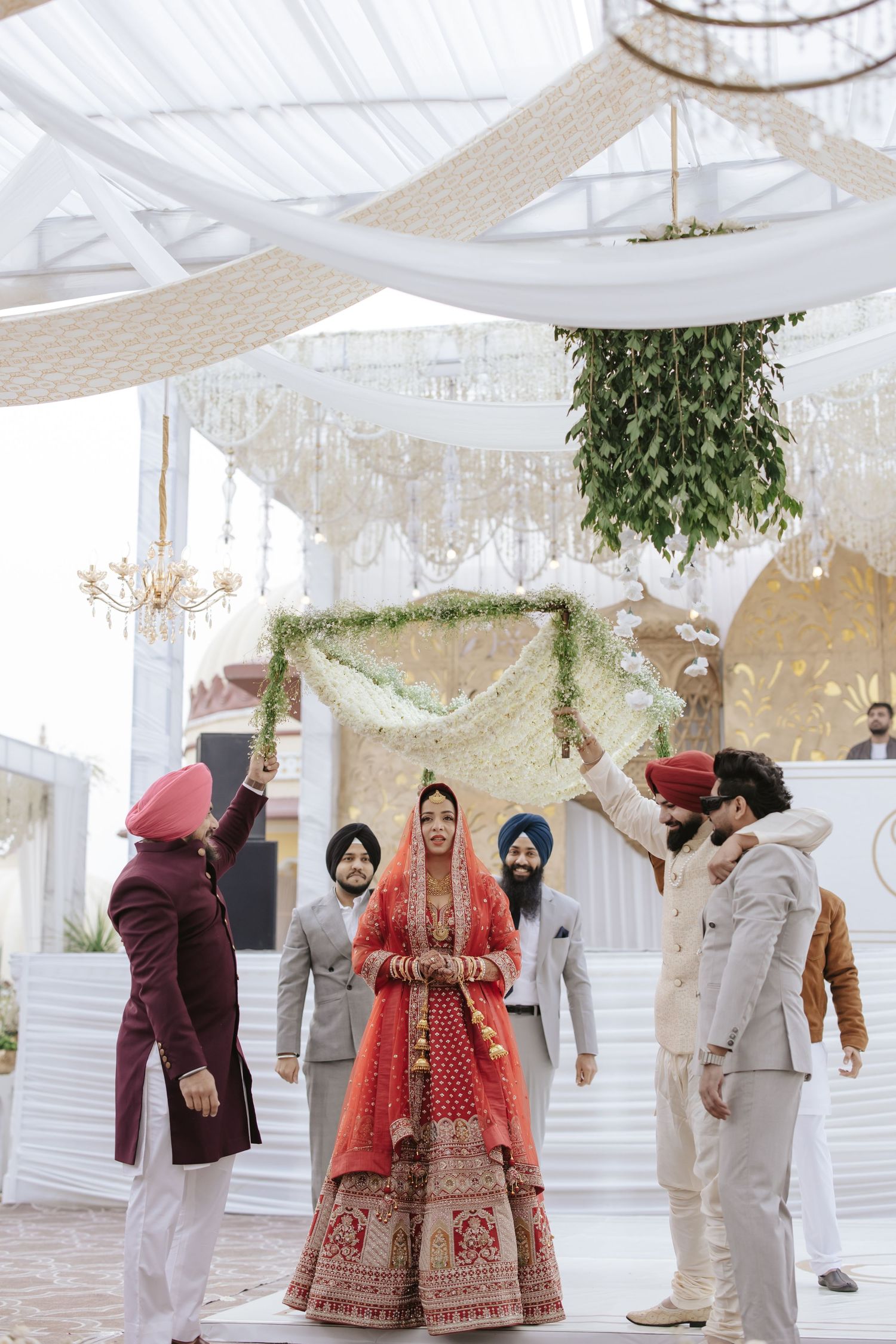
Think about the varmala moment. A traditional photographer asks the couple to face the camera after the garland exchange — well-lit, beautifully framed, perfect for printing. At the same time, a candid photographer captures the groom's friends lifting him to avoid the garland, the bride laughing, the chaos all around them. Same moment, two completely different stories. The traditional shot says we got married. The candid shot says this is exactly how it felt. At Impresio Studio, we always send two photographers — one for each style — so both stories are captured at the same time without either being missed.
Pros and Cons of Each Style
Every photography style has strengths and limitations. Being aware of both helps you make a more informed choice about your wedding album.
The strengths of traditional photography are that everyone looks their best, no one is missing from a group photo, and the results are consistent and always suitable for large-format printing. The limitation is that it requires people to stop and pose, which takes some time away from the celebration. Not everyone is comfortable in front of a camera, and occasionally the photos can feel a little rehearsed.
The strength of candid photography is that it captures real, unscripted emotion — the moments you will treasure most are almost always candid ones. It also lets you fully enjoy your wedding without constantly being called away for photos. The limitation is that it demands an exceptionally skilled photographer. In the wrong hands, candid photography produces blurry, dark, or poorly framed images. And since nothing is planned, there is always a small risk of missing a specific moment if the photographer is not experienced enough to anticipate where to be.
So How Do You Avoid These Problems on Your Wedding Day?
At Impresio Studio, we keep the traditional session under 35 minutes by preparing a sequence sheet in advance so families move from group to group without confusion. For candid photography, we study your full wedding schedule before the day and assign each photographer specific coverage responsibilities so no moment is left unattended. Low light is handled using high-sensitivity cameras and fast lenses we never rely on flash in emotional moments. Every photo, whether posed or candid, goes through careful editing so the final album looks consistent and beautiful from the first page to the last.
Why Most Couples Choose Both
Once you understand what each style actually does, the answer becomes very clear you need both. They serve completely different purposes, and having only one will always leave a gap in your album.
You want your parents to have a beautiful formal family portrait to frame at home that is traditional photography. You also want to capture the moment your father saw you fully dressed as a bride and could not hold back his tears that are candid.
You want a clean, well-lit photograph of the full ceremony for printing that is traditional. You want the image of you and your partner looking at each other during the pheras, forgetting everyone else in the room exists that is candid. One style gives you the record. The other gives you the feeling. Together, they give you the complete truth of your wedding day.
The ideal wedding album is not purely candid or purely traditional. It is a thoughtful blend of both where formal portraits and emotional storytelling sit side by side and together tell a story that is bigger than either could tell alone.
How Does a Wedding Day Look When Both Styles Are Covered Together?
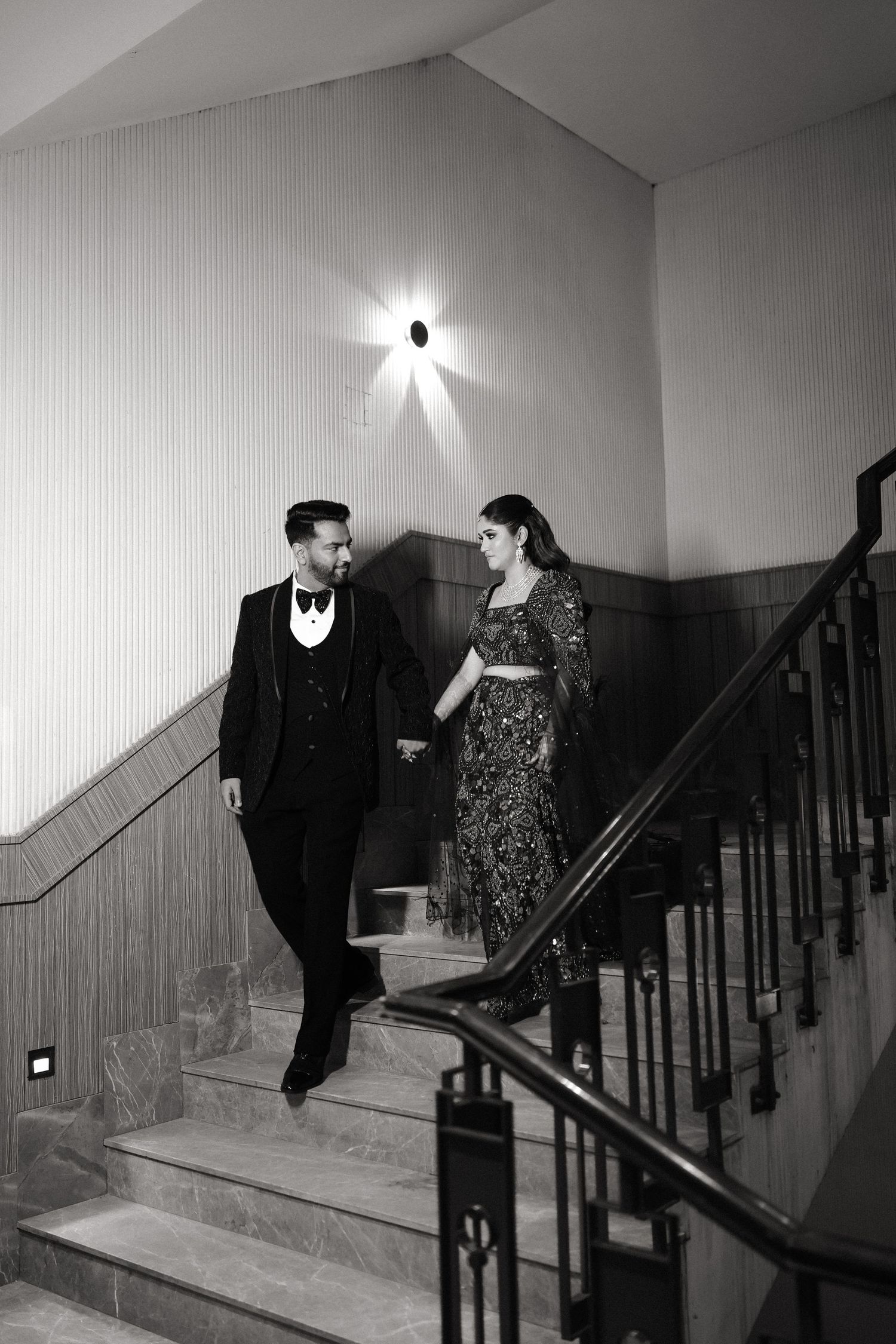
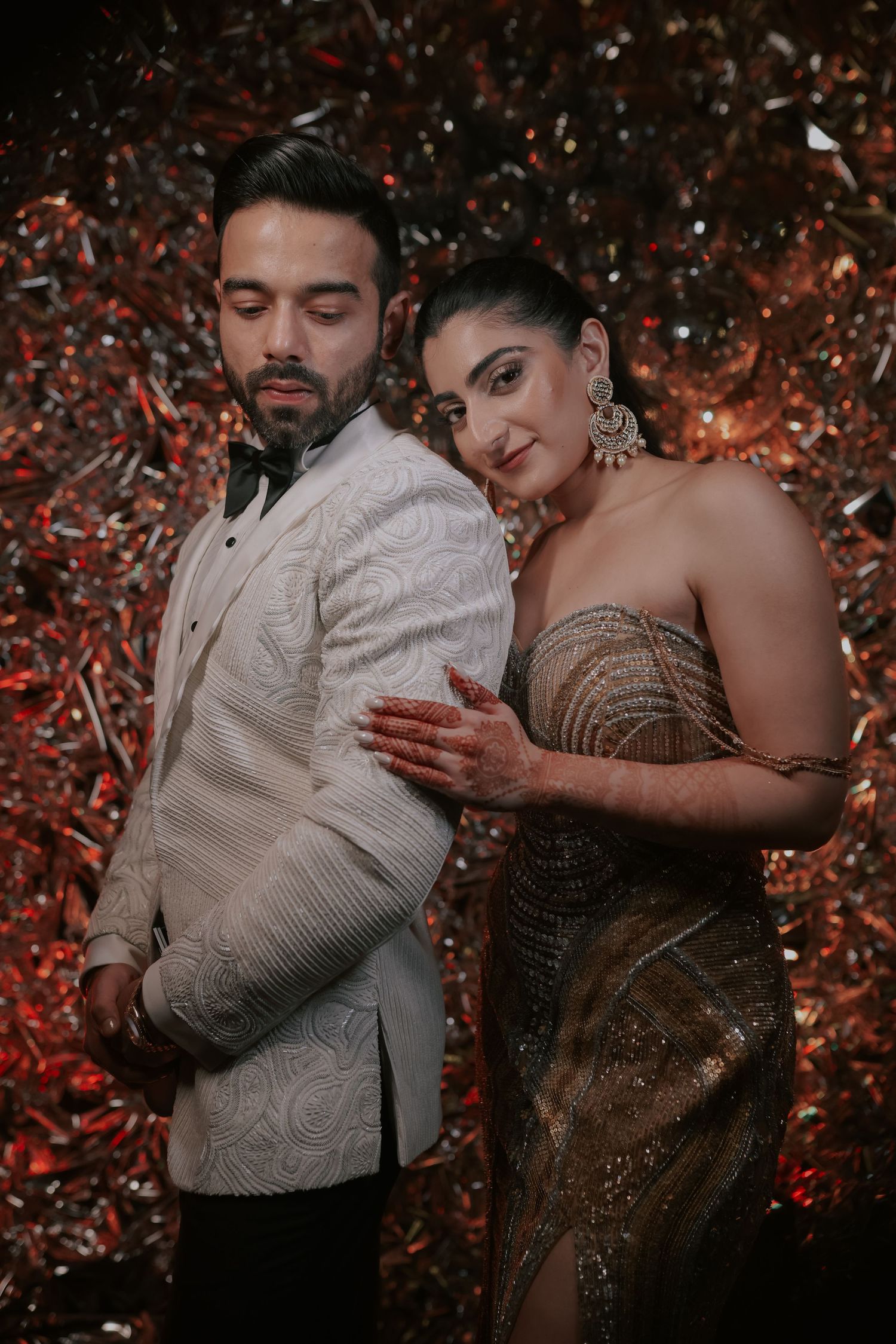
The morning getting ready session is fully candid hair, makeup, dressing, quiet family moments, all documented naturally. The ceremony uses both styles and traditionally covers the rituals clearly from the front while candid captures reactions and emotions around the mandap. After the ceremony, a dedicated 25 to 30 minute couple portrait session is done at a pre-selected spot, the only fully planned session of the day. The reception and sangeet are candid dancing,
speeches, and performances captured without interruption. At Impresio Studio, this is how we structure every wedding, with two photographers working alongside each other throughout the day.
How to Prepare for Your Wedding Photography
A little preparation on your end makes a significant difference in the quality of your final photos for both styles. For traditional photography, the most helpful thing you can do is prepare a list of all the family groups you want photographed and share it with your photographer at least a week before the wedding. Also assign a family coordinator someone who knows all the relatives well and can gather the right people quickly when called. This one step alone can save 20 to 30 minutes on the wedding day.
For candid photography, the best thing you can do is simply be present and relaxed. The more natural you are, the better your candid photos will be. Trust your photographer to find the moments. Do not worry about looking at the camera or striking a pose; the candid photographer is not looking for that. They are looking for the real you, in real moments, living your real wedding day.
What Should You Do Before the Shoot to Get the Best Photos?
Write down every family group you want photographed and share it with your photographer a week before the wedding. Assign one person who knows all the relatives to call groups together quickly on the day this saves 20 to 30 minutes of confusion. For candid coverage, share your full wedding day timeline with your photographer.
At Impresio Studio, we also visit the venue before the wedding to study the light and identify the best spots for the couple portrait session, so our team knows exactly where to be at every point of the day.
Which Style Is Right for You?
If your priority is making sure every family member is documented properly, traditional photography is non-negotiable. If your priority is capturing raw emotion and building an album that tells the full story of your day, candid photography is essential. If you want photos perfect for large prints and framing, tradition delivers that. If you want photos that bring you back to exactly how you felt on your wedding day, candid delivers that. And if you want everything which you should, the combination of both is your answer.
The most important thing is to choose a photography team that is genuinely skilled at both styles. Ask to see full wedding albums, not just highlight galleries, so you can judge consistency. Ask how many photographers will be present. Ask what their process looks like before, during, and after the wedding day. Those answers will tell you everything you need to know about whether that team is right for you.
Not Sure What You Want? Here Is How to Figure It Out
Ask photographers to show you a complete wedding album from start to finish, not just their ten best photos. Look at whether the getting ready session is covered, how the ceremony is documented, and whether emotional moments feel genuine. Ask how many photographers will be present and whether they visit the venue before the wedding day. At Impresio Studio, we always walk new clients through a real full album in our first consultation because seeing the complete picture is the only honest way to help someone understand what they are actually choosing.